FILE Nº 0463 · Travel · DECLASSIFIED
The Dungan Mosque: Discovering Chinese Culture Through a Chinese-Style Mosque in Kyrgyzstan
TL;DR — This Chinese mosque stands in Karakol, Kyrgyzstan. Many people may wonder what a Chinese-style mosque looks like.
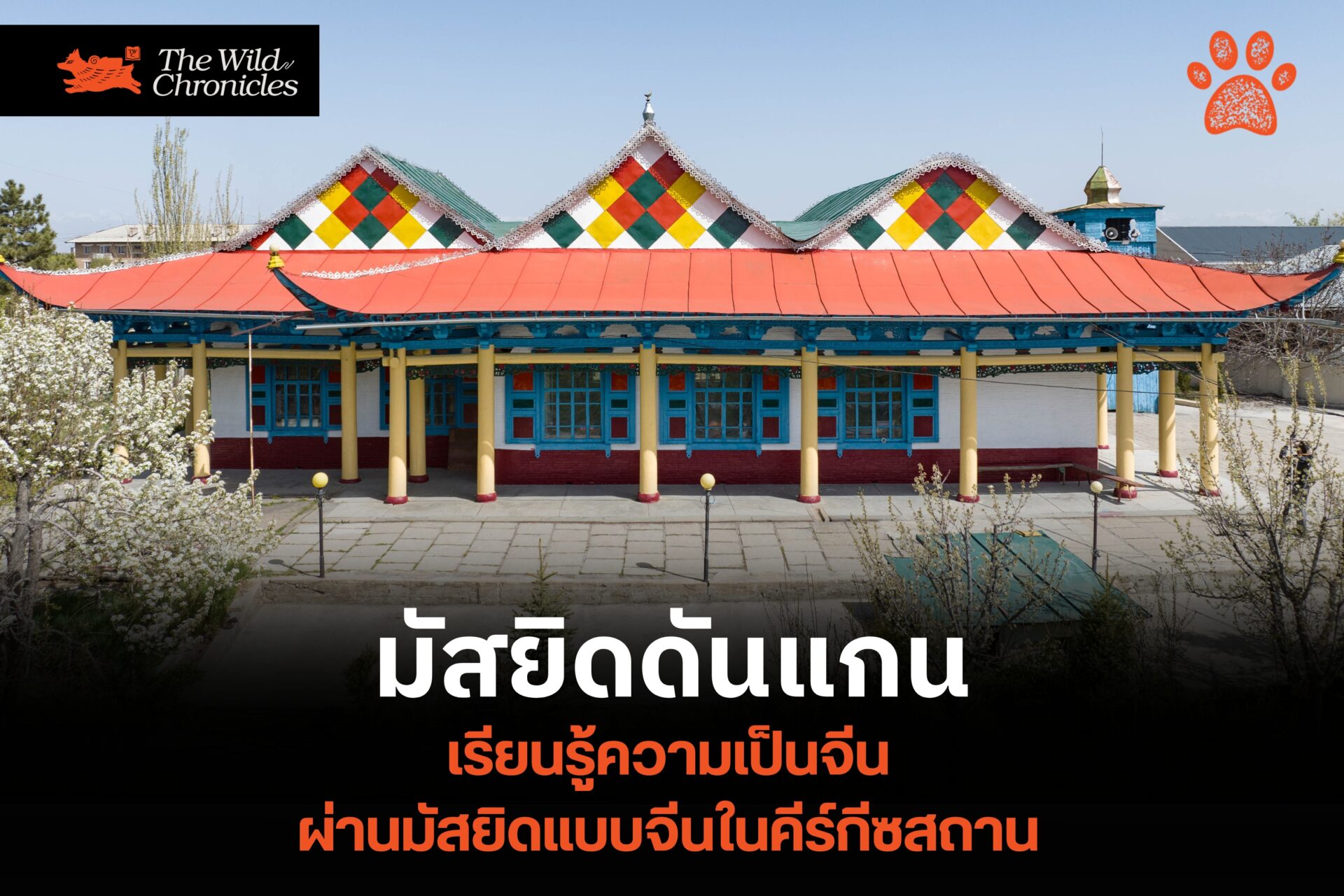
This Chinese mosque stands in the city of Karakol in Kyrgyzstan. Many people may have plenty of questions: what does a Chinese-style mosque look like? And why is it located in an unusual country like Kyrgyzstan?
Looking back into the past, Chinese refugees who followed Islam, known as the Dungan people, fled the unrest in China during the Dungan Revolt of 1862-1877. The events took place in western China, and the Dungan protests stemmed from ethnic hostility, class tensions and religious conflict.
The Dungan, whom you may also have heard called the Hui, wanted to resist the Qing dynasty then in power because of conflicts over ethnicity, class and religion. The provincial governor at the time told the government that the Dungan had committed many savage acts, running amok everywhere and attacking non-Muslim Han people, even pork sellers in the market (though in truth the Dungan may not actually have done this). The government therefore believed the Dungan to be very cruel, and agreed with the governor to punish the Dungan, or Hui, more harshly than usual, "killing the chicken to scare the monkey".
Even then the matter did not end. Extreme chaos followed. The Dungan were attacked relentlessly by both the government and ordinary people, and a great many Dungan died. Some managed to escape in time.
They began migrating in the early 1880s. The Dungan first headed toward Russia, and many died on the way from cold and hunger. Only one group managed to reach the city of Karakol in Kyrgyzstan. After they arrived, the Kyrgyz welcomed the Dungan warmly, and the Dungan began to settle in the city.
After some time, a community took shape and many buildings were built. A Chinese architect, one of the Dungan, took the initiative to build a mosque to serve his fellow Chinese Muslims.
Because the builder was Chinese and was building for his Chinese kin, the mosque was built according to Chinese building tradition... The appearance of the building and its various details clearly express Chineseness, so much so that some people have mistaken it for a temple. But it is not; it is simply a mosque unlike any other.
Construction began in 1907. A Chinese architect from Beijing worked with another 20 master carvers to build it. The materials were pine from the Tian Shan mountains and local elm and poplar, and, incredibly, not a single nail was used in the construction. Every part of the building is joined by fitting pieces into grooves or cutting the materials to interlock.
The design had to follow Chinese architectural tradition, so the mosque has a minaret that looks like a wooden pagoda, a wheel of fire that represents the Dungan past in the pre-Islamic and Buddhist era, and eaves decorated with scenes from ancient Chinese myth such as dragons, phoenixes and lions. The colors used to decorate the mosque also carry meanings in the Chinese manner: red means warding off evil spirits, yellow means accumulating wealth, green means happiness, and so on.
This Chinese mosque took 6 years to complete. Its appearance came out looking like a Chinese Buddhist temple, but that is not a problem, because the mosque is very important to all Muslims in Karakol, not only the Dungan. It is a surprising yet beautiful mosque that draws a steady stream of tourists who want to visit.