
A 16-day history tour through 10 Balkan countries, from Vienna and Lake Bled to Belgrade, Sarajevo, Dubrovnik, Ohrid, Kosovo and Sofia, led by Khun Pap.
Trip highlights
- All 10 Balkan countries on a route Khun Pap surveyed himself, like "reading" a book called the Balkans
- The great realm of the Southern Slavs in Serbia, with Tito's Blue Train and his mausoleum
- The spot where Archduke Franz Ferdinand was assassinated, the spark of World War I
- Traces of the wars: the Tunnel of Salvation, Sniper Alley and BUNK'ART 2
- Lake Ohrid, birthplace of the Cyrillic script, and the ancient stećci tombstones
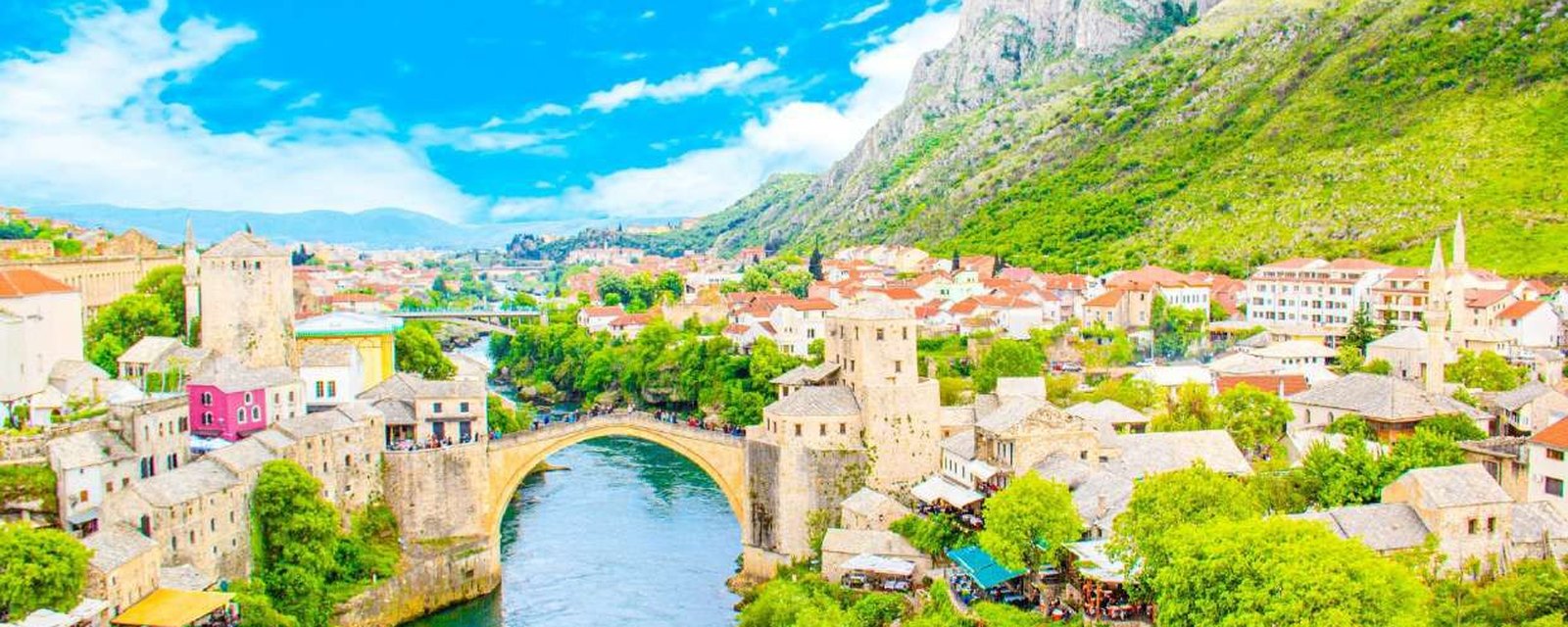
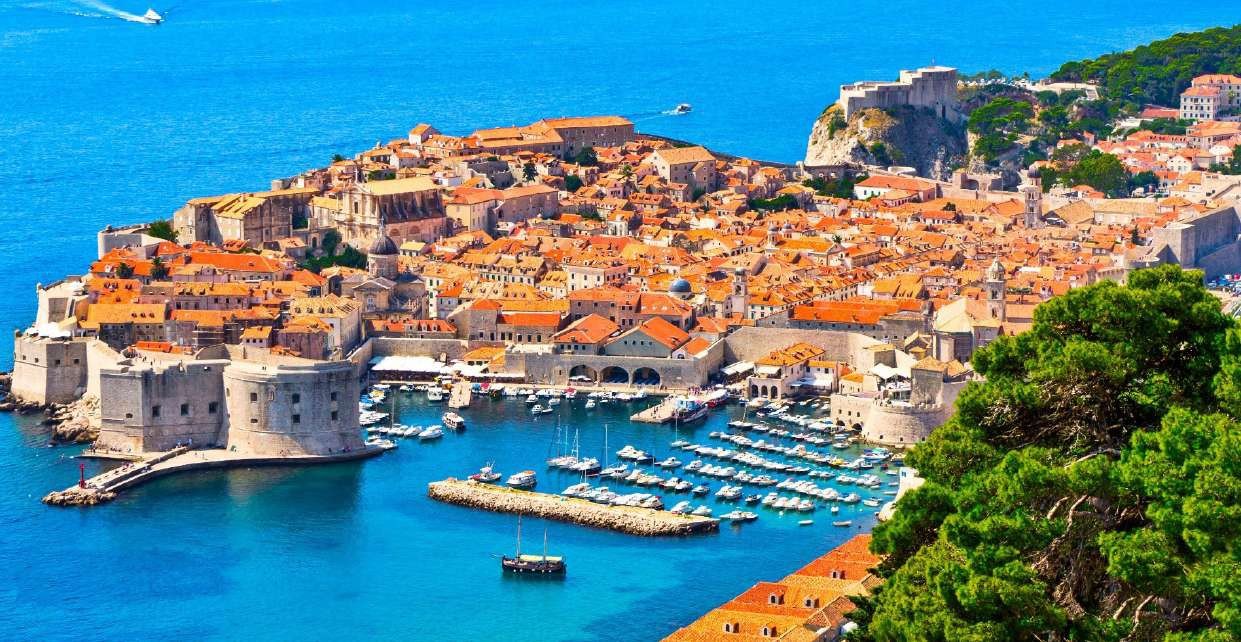
- Bled Castle, Dubrovnik and the Old Bridge of Mostar
- Disputed Kosovo and North Macedonia, the country with more statues than people
- 6-21 March 2027, led by history lecturer Khun Pap
Highlight places
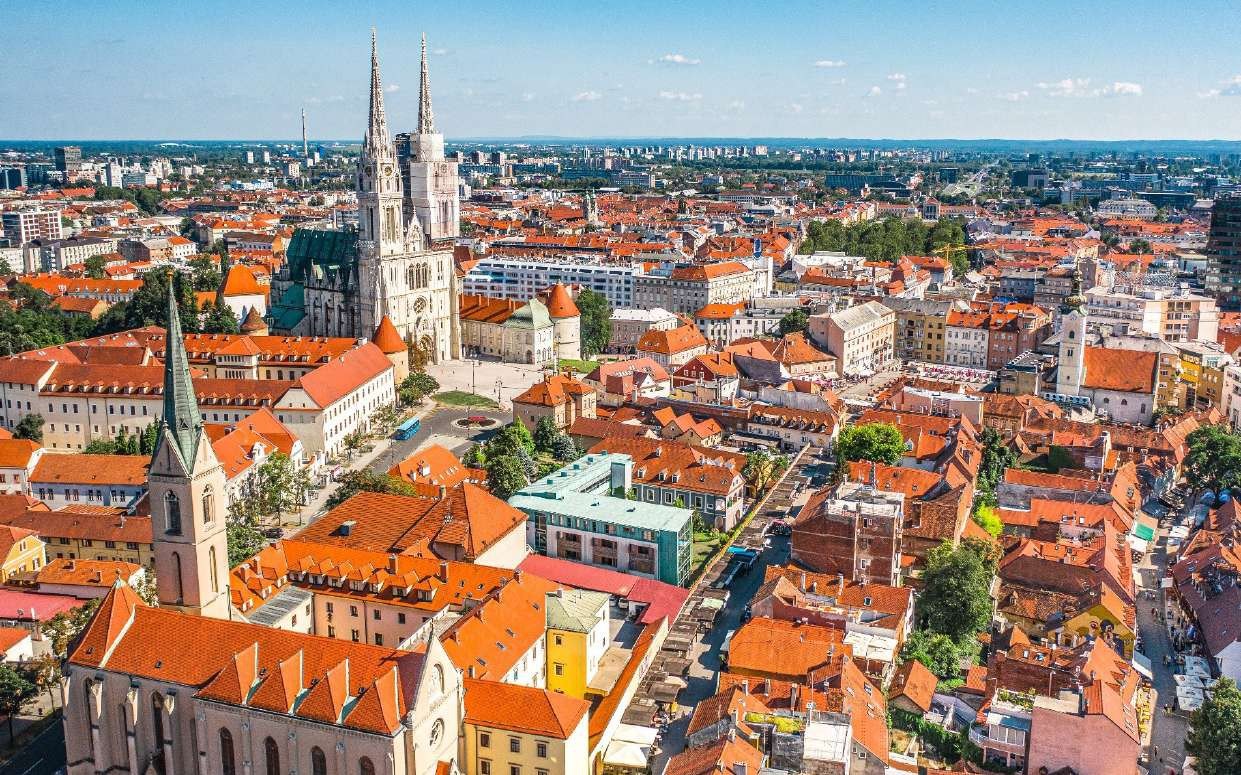
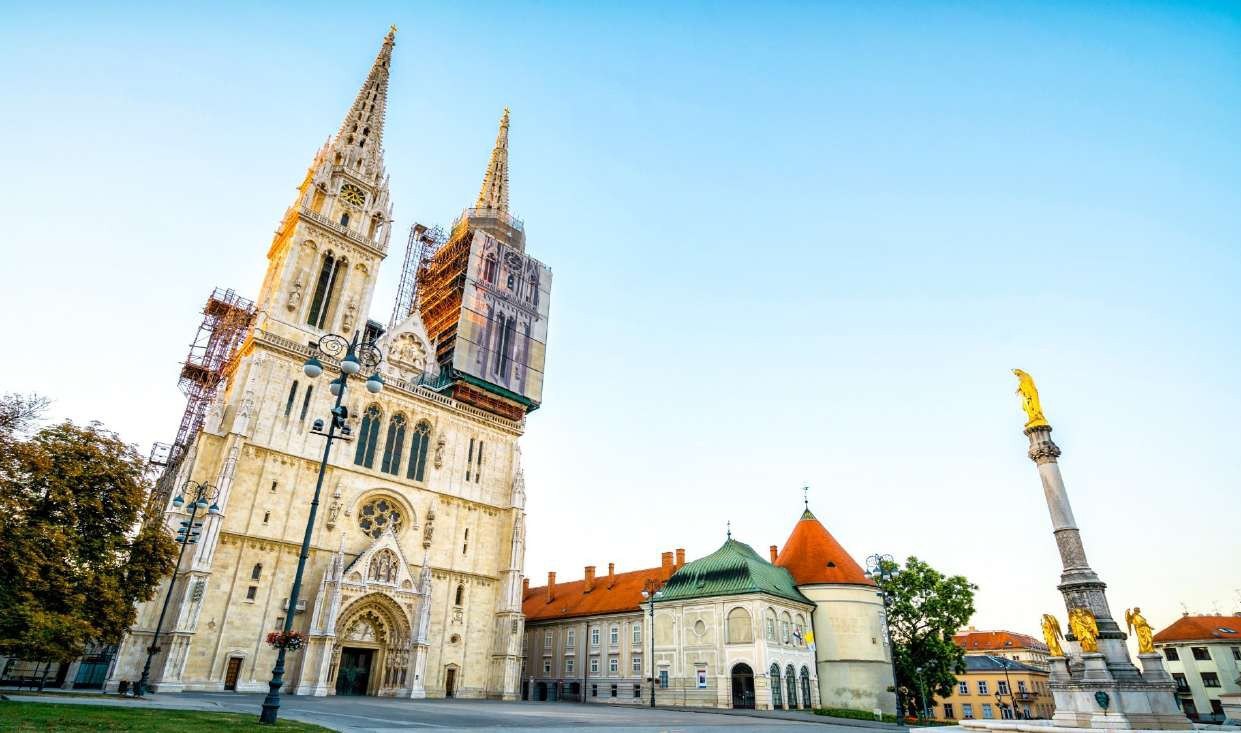
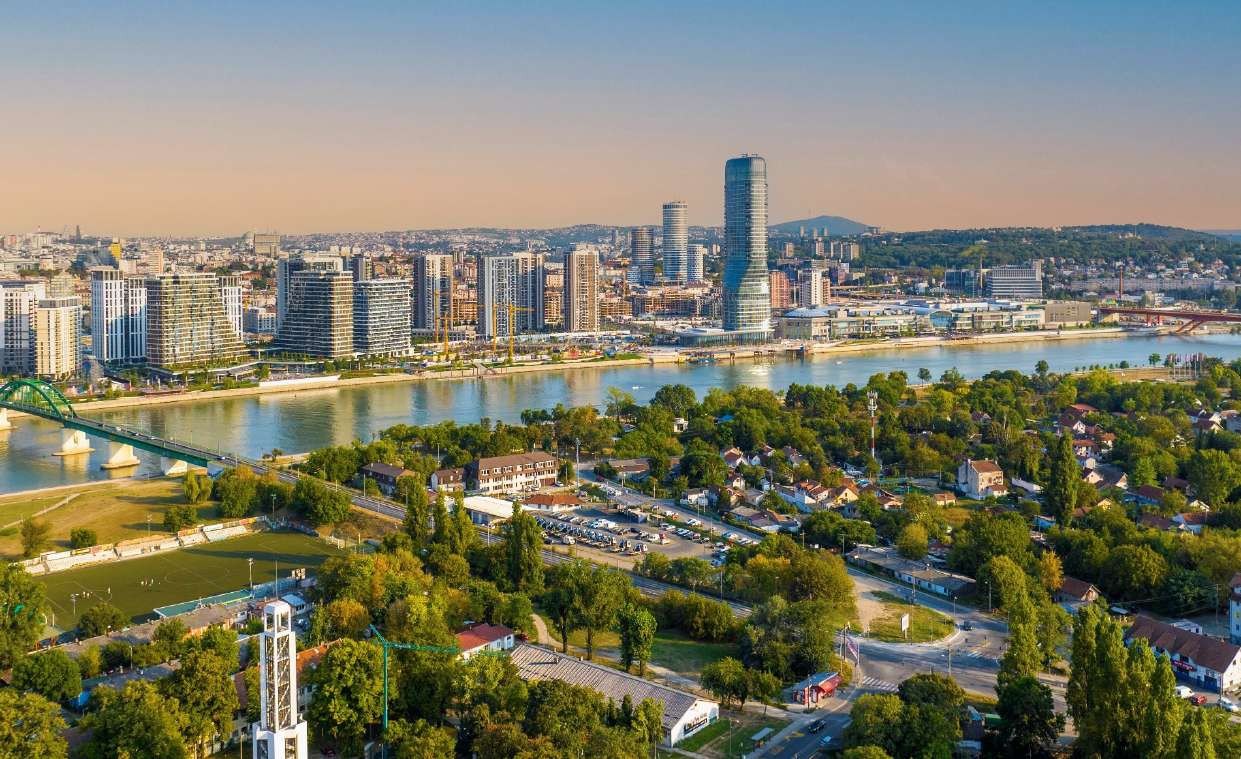
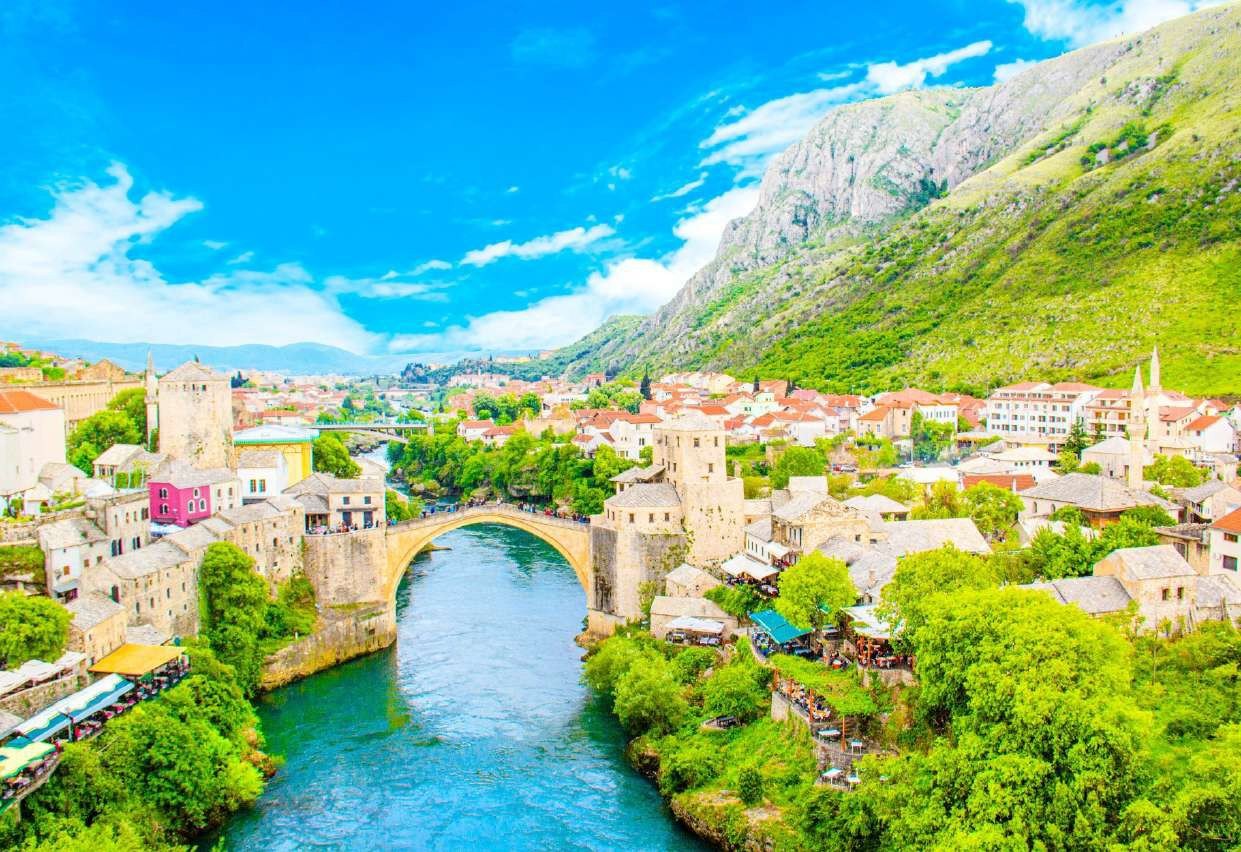
Led by historiansEvery trip travels with an expert history lecturer who brings each site to life in plain language.
Off the beaten pathCentral Asia, the Middle East, the Himalayas — places most tour companies never go.
Private groups, no rushingRight-sized groups and unhurried time at the places that matter most.
Beyond ordinary travelEvery tour is designed by writers and professional travellers to create experiences that reflect who you are — for travellers who want more than an ordinary holiday.
About this tour
The Balkans: Epic of the Southern Slavs is a 16-day, 14-night history tour through 10 countries, departing 6 March 2027 and returning 21 March 2027. The route runs from Vienna and Graz in Austria through Slovenia (Bled, Ljubljana), Croatia (Zagreb, Dubrovnik), Serbia (Belgrade), Bosnia and Herzegovina (Sarajevo, Mostar), Montenegro (Budva), Albania (Tirana), North Macedonia (Ohrid, Skopje) and Kosovo (Pristina), ending in Sofia, Bulgaria.
Highlights include Schönbrunn Palace, Bled Castle, Belgrade Fortress, Tito's Blue Train and the House of Flowers, the Latin Bridge in Sarajevo where Archduke Franz Ferdinand was assassinated, the Tunnel of Salvation and Sniper Alley, Mostar's Old Bridge, a walk on the Dubrovnik city walls, BUNK'ART 2 in Tirana, the Church of Saints Clement and Panteleimon in Ohrid, Gračanica Monastery, the Tomb of Sultan Murad I and the Alexander Nevsky Cathedral in Sofia. Seven of the sites on the route are UNESCO World Heritage listed.
The group flies with Turkish Airlines via Istanbul, into Vienna and home from Sofia. The tour is led by lecturer Khun Pap (Pongsorn Bhumiwat), who surveyed the route himself, together with English-speaking local guides. Hotels are 4-5 star, and the price includes the Schengen (Austria) tourist visa fee for Thai passport holders.
Day-by-day itinerary
Day 1Bangkok – Istanbul (Turkey) – Vienna (Austria)
Meet at 07:30 at Suvarnabhumi Airport (BKK), 4th floor departures hall, at the Turkish Airlines check-in counters.
- 10:20: fly to Istanbul on TK65, about 10 hours 25 minutes, meals served on board.
- 16:45: arrive at Istanbul Airport (IST), Turkey, with a stopover of about 4 hours 50 minutes.
- 21:35: fly to Vienna on TK1889, about 2 hours 20 minutes, meals served on board.
- 21:55: arrive at Vienna International Airport (VIE), Austria.
Check in at the hotel in Vienna.
Day 2Vienna – Graz
Vienna, Austria's capital and largest city, was made the capital by the Babenberg dynasty from 976 and its grandeur was carried on by the Habsburgs.
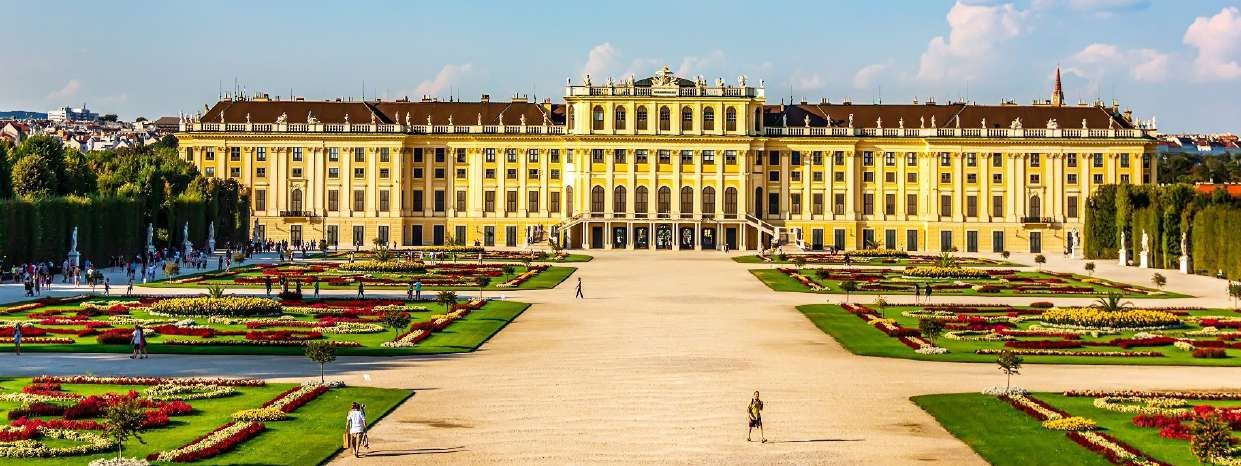
- Schönbrunn Palace: the Habsburgs' summer palace, a UNESCO World Heritage Site in golden-yellow Baroque, where Mozart performed at the age of 6 and where the abdication that ended Habsburg rule was signed after World War I.
Drive to Graz, a UNESCO World Heritage city.
- Ride the Schlossberg Cable Car for a panoramic view of Graz.
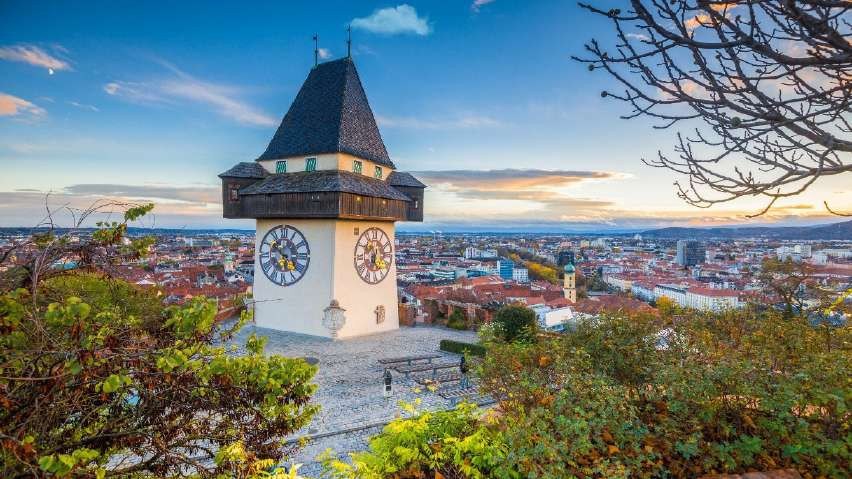
- Photo stop at the Uhrturm Clock Tower, a 13th-century landmark whose long hand shows the hour and short hand the minutes, the reverse of a normal clock.
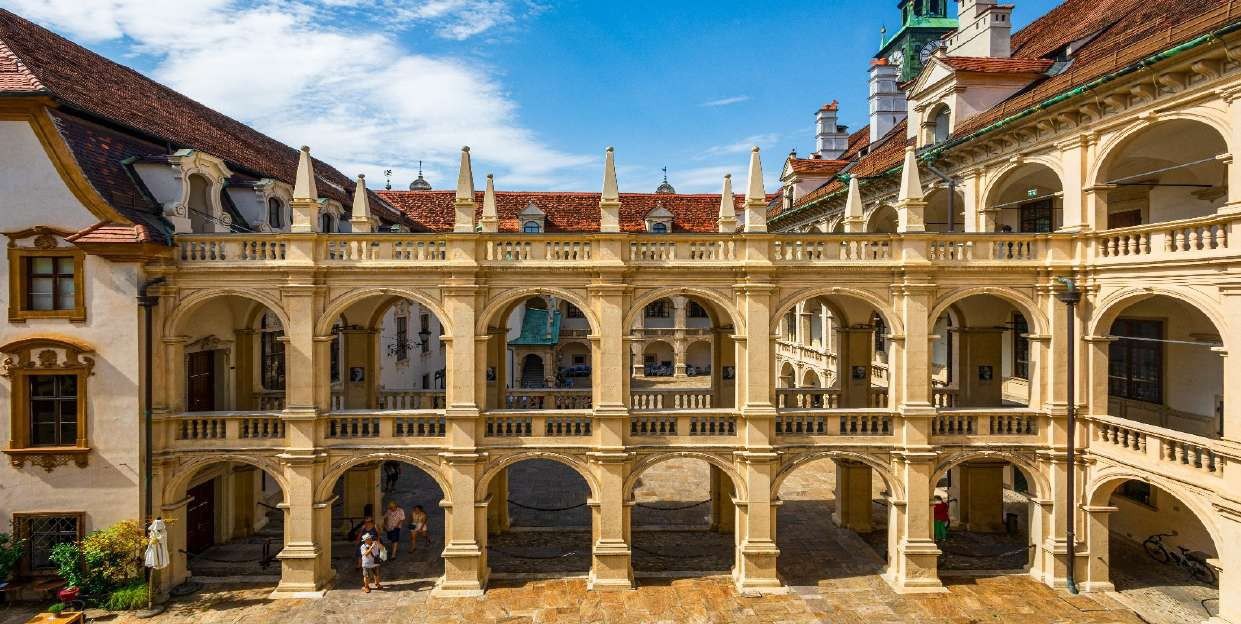
- Hauptplatz, the main square, and the Landhaus, a Renaissance building with three tiers of arcaded galleries.
- Stroll through the old streets of Graz.
Day 3Graz – Bled (Slovenia) – Ljubljana
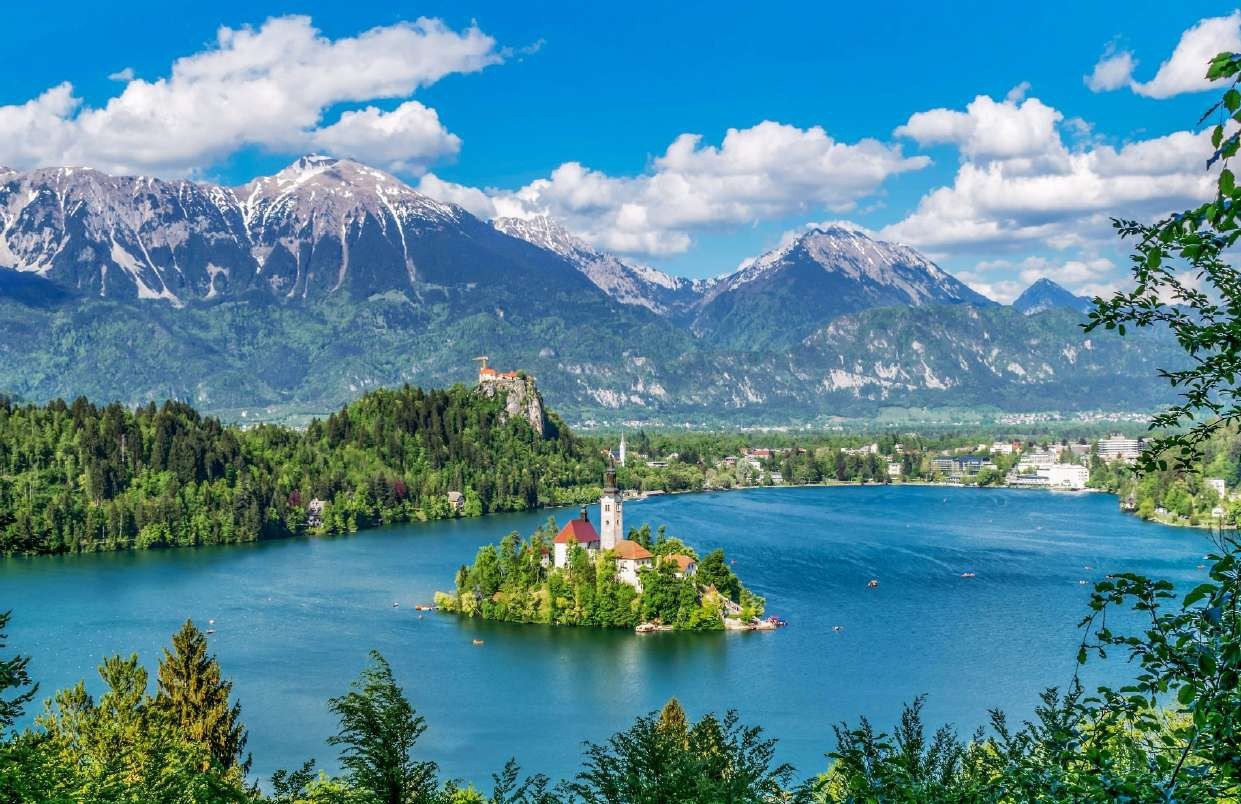
Drive to Bled in Slovenia, a town of fairy-tale scenery.
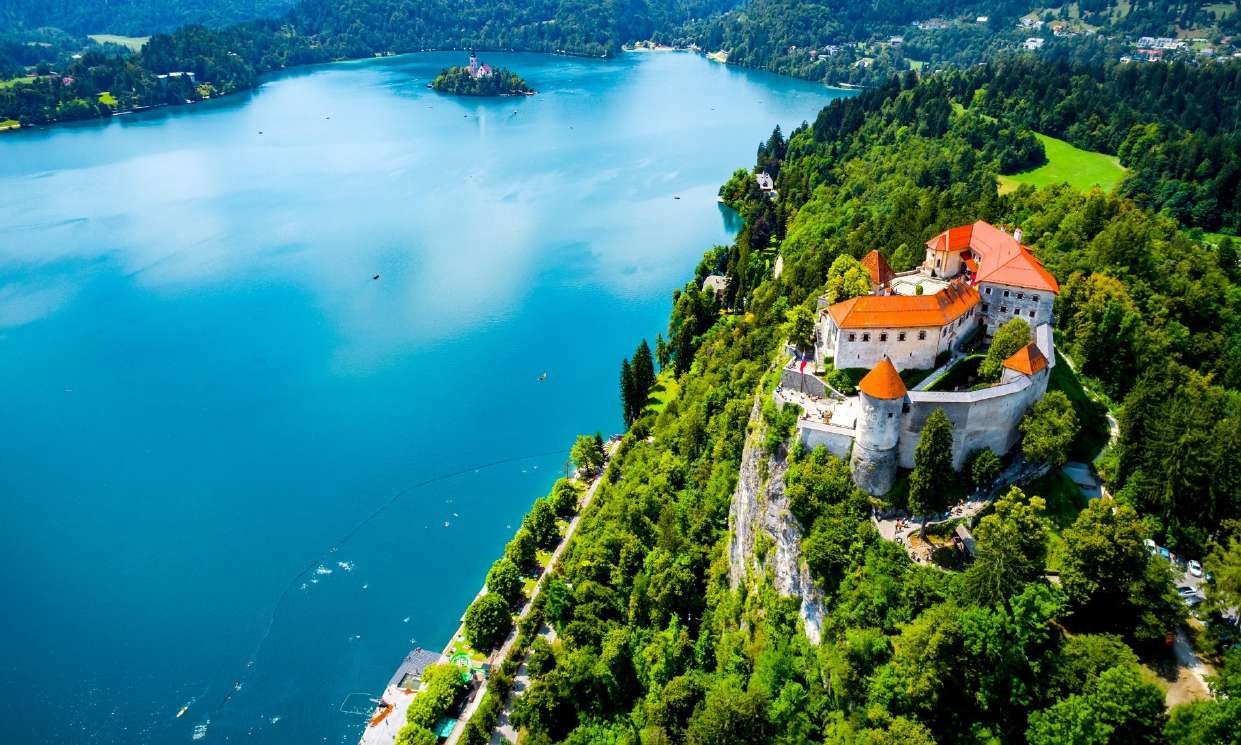
- Bled Castle: Slovenia's oldest castle, built from the 11th century on a cliff more than 130 metres above Lake Bled, housing a history museum, an old armoury and a traditional wooden printing workshop.
Continue to Ljubljana, the capital of Slovenia, listed by UNESCO.
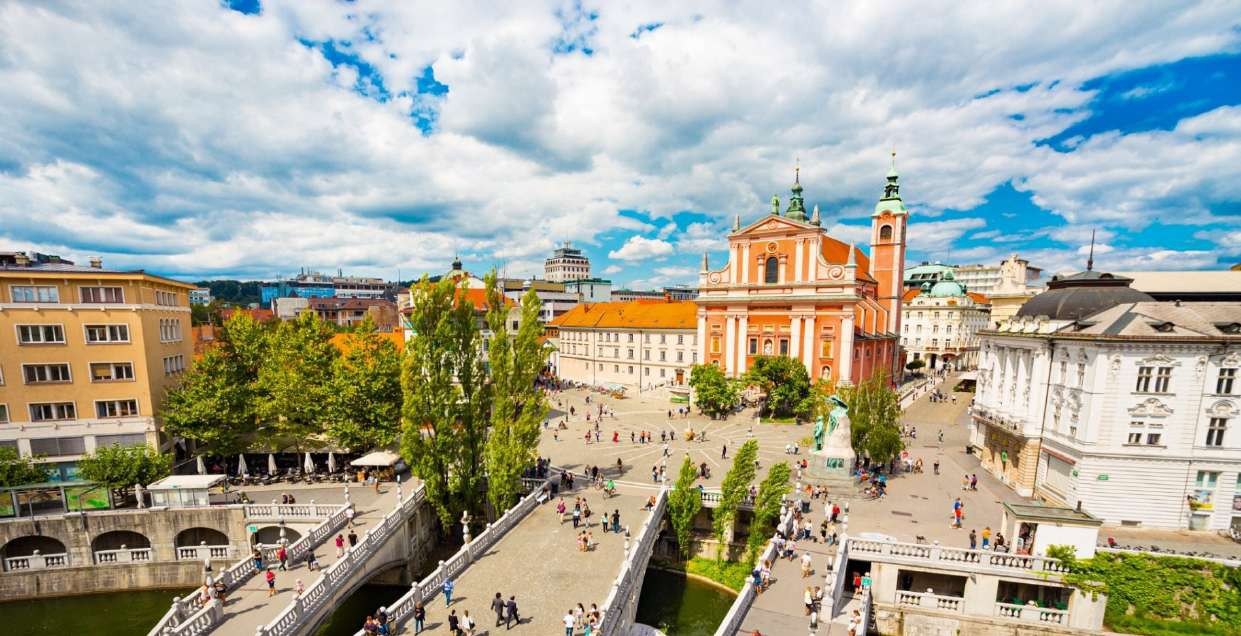
- Prešeren Square, named after the national poet France Prešeren and ringed by Art Nouveau and Baroque buildings including the pink Franciscan church.
- The Triple Bridge by architect Jože Plečnik over the Ljubljanica River.
Day 4Ljubljana – Zagreb (Croatia) – Belgrade (Serbia)
Drive to Zagreb, the capital of Croatia, which grew from two hilltop settlements: Kaptol, the church centre, and Gradec, the craftsmen's and merchants' town made a royal free town under King Béla IV of Hungary. They fully merged in the 19th century.
- Photo stop at Ban Jelačić Square with the equestrian statue of Count Josip Jelačić.
- Photo stop outside Zagreb Cathedral, the tallest Gothic building in Croatia.
Continue to Belgrade, the capital of Serbia and once the centre of the Serbian Empire, a land that passed through Ottoman and Austro-Hungarian rule, the Kingdom of Yugoslavia and Tito's federation before breaking into the 7 countries of today.
Day 5Belgrade
- Tito's Blue Train: Josip Broz Tito's luxury train, finished in fine wood and Art Deco style, used to host world leaders during the Cold War.
- Church of Saint Sava: one of the largest Orthodox churches in the world, with a Byzantine-style dome and gold mosaics inside.
- Drive past the National Assembly of Serbia.
- Lunch at Znak Pitanja ("?"), the oldest traditional kafana in Belgrade, nearly 200 years old.
- Belgrade Fortress and Kalemegdan Park, dating back to the 3rd century BC, at the confluence of the Sava and the Danube.
- Museum of Yugoslavia and the House of Flowers, the mausoleum of President Josip Broz Tito.
Day 6Belgrade – Sarajevo (Bosnia and Herzegovina)
Drive to Sarajevo, the capital of Bosnia and Herzegovina, where East meets West. Known as the "Jerusalem of Europe", it has long been home to Islam, Orthodox and Catholic Christianity and Judaism side by side.
- Baščaršija Old Bazaar, built from the 15th century under the Ottomans.
- Sarajevo Meeting of Cultures: a compass line in the pavement dividing the Ottoman bazaar to the east from Austro-Hungarian architecture to the west.
- Photo stop at the Latin Bridge, where Archduke Franz Ferdinand, heir to Austria-Hungary, was assassinated by a Serb nationalist, the spark of World War I.
Day 7Sarajevo
Sarajevo was once the trading hub of the Balkans and hosted the 1984 Winter Olympics, before enduring the Siege of Sarajevo for 1,425 days, the longest siege of a city in modern warfare.
- Tunnel of Salvation: an approximately 800-metre tunnel under the airport runway, dug by hand in secret in 1993 to bring in food, medicine and weapons and carry out the wounded.
- Photo stop at Sniper Alley, the most dangerous place in the city during the Bosnian War.
- The National Museum of Bosnia and Herzegovina, founded in 1888 under Austria-Hungary.
- Photo stop at the stećci (Stećci kod Muzeja), medieval carved tombstones in the museum garden.
Day 8Sarajevo – Mostar – Dubrovnik (Croatia)
Drive to Mostar, a UNESCO World Heritage town that flourished under the Ottomans on both banks of the Neretva. Its name comes from mostari, the "bridge keepers".
- Photo stop at the Old Bridge (Stari Most), a stone arch built on the order of Sultan Suleiman, destroyed in the Bosnian War and rebuilt to its original design.
- Koski Mehmed Pasha Mosque, a 17th-century Ottoman mosque whose minaret you can climb for the view.
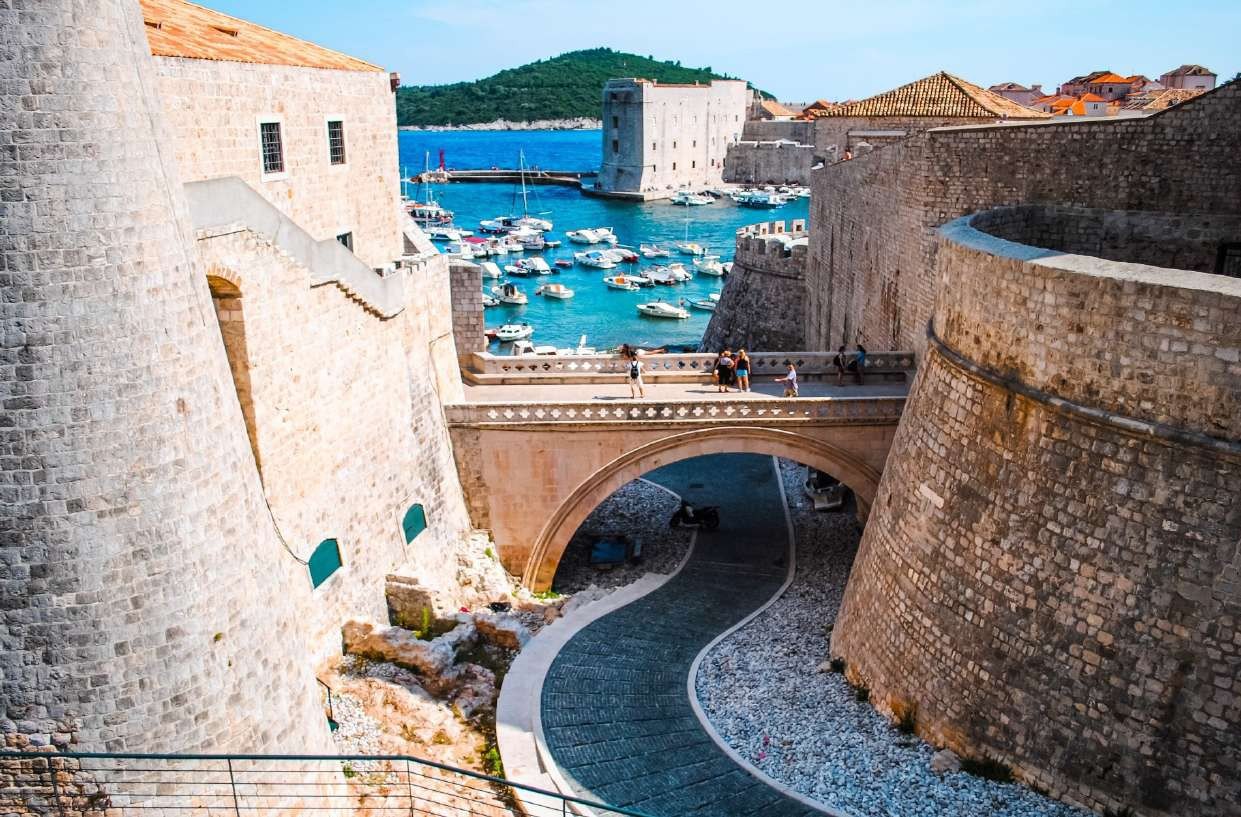
Continue to Dubrovnik, the "Pearl of the Adriatic", UNESCO-listed since 1979, with medieval walls over 2 km long. Once the Republic of Ragusa, a trading power that rivalled Venice, it was also King's Landing in Game of Thrones.
Day 9Dubrovnik – Budva (Montenegro)
A walking tour of Dubrovnik's Old Town.
- Pile Gate, the 15th-century western city gate.
- Onofrio's Large Fountain, built in 1438 by a Neapolitan architect and decorated with 16 stone masks.
- Photo stop outside the 13th-century Franciscan Monastery, home to a pharmacy operating since 1317.
- Stradun, the polished limestone main street of the Old Town.
- Photo stop outside Sponza Palace, once the customs house, mint and warehouse of the Republic of Ragusa.
- Orlando's Column.
- Saint Blaise's Church, a Baroque church dedicated to the city's patron saint.
- Photo stop outside the Rector's Palace, residence of the Rector of the Republic of Ragusa.
- The Jesuit Stairs, an 18th-century Baroque stairway and a Game of Thrones filming location.
- The Old Port of Dubrovnik.
- Walk the Dubrovnik City Walls.
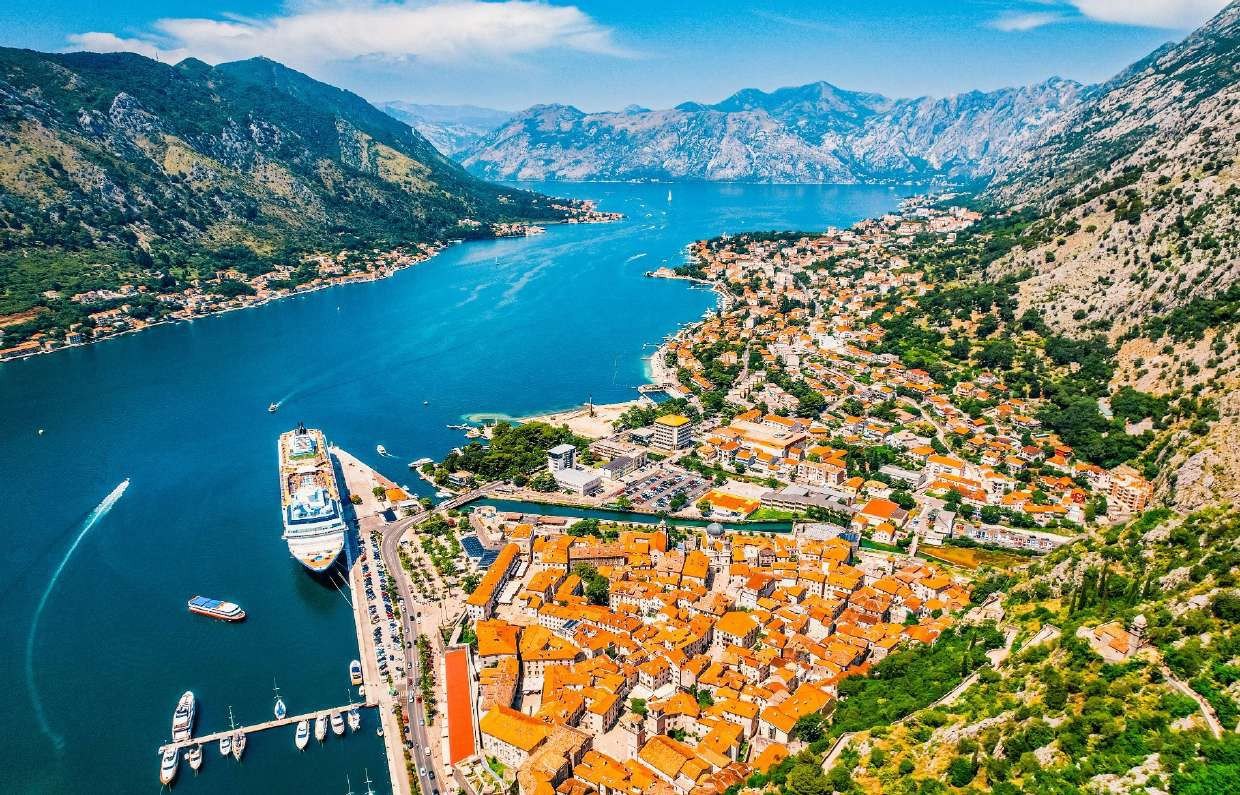
Drive to Budva, Montenegro, enjoying the scenery of Kotor Bay, one of the largest and most beautiful fjord-like bays in southern Europe.
Day 10Budva – Tirana (Albania)
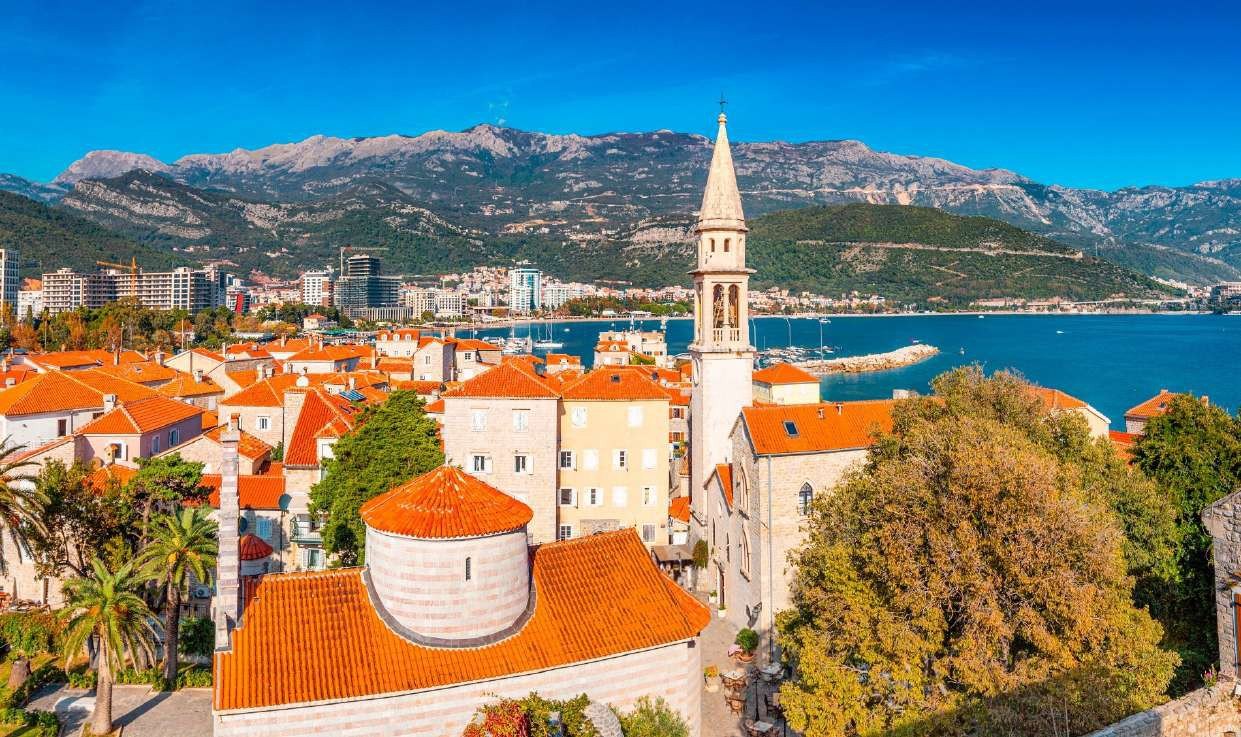
A walk through Budva's Old Town.
- The Main Gate, built under the Republic of Venice, and the Iron Gate, the northern gate linking the Old Town to the harbour.
- Photo stop at the Church of Saint John the Baptist, Budva's oldest Catholic church, founded in the 7th century.
- Photo stop at the Holy Trinity Church, a Byzantine-style Orthodox church built in 1804.
- Photo stop at the Church of Santa Maria in Punta, built by Benedictines in the 9th century.
- Citadela Budva, a medieval seaside fortress with a museum and viewpoint.
- Photo stop at the Budva Ballerina Statue.
Drive to Tirana, the capital of Albania.
Day 11Tirana – Librazhd – Ohrid (North Macedonia)
- Skanderbeg Square, the heart of Tirana, with the equestrian monument to the national hero Skanderbeg.
- BUNK'ART 2: a secret underground bunker of more than 1,000 square metres, once a nuclear shelter for the communist-era security services, telling the story of the Sigurimi secret police.
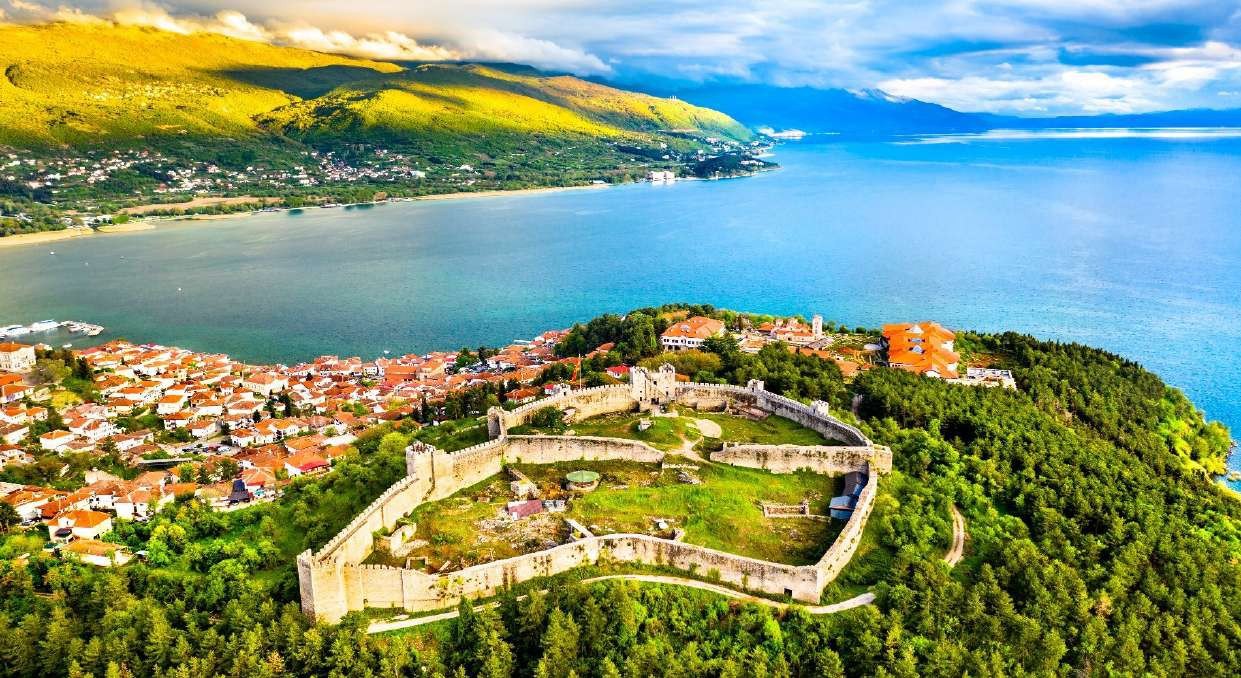
Drive via Librazhd to Ohrid in North Macedonia, a UNESCO World Heritage town, the "Jerusalem of the Slavs" and the birthplace of the Cyrillic script in the 9th century through Saint Clement of Ohrid.
- Photo stop outside the 13th-century Church of Saint Jovan the Theologian at Kaneo, on a cliff above Lake Ohrid.
- Church of Saints Clement and Panteleimon at Plaošnik, a 9th-century monastery and one of the first centres of Cyrillic learning.
Day 12Ohrid – Pristina (Kosovo)
Drive to Pristina, the capital of Kosovo, a land of conflict that unilaterally declared independence in 2008 and is still not recognised by Serbia, Russia, China and some EU countries.
- Gračanica Monastery: a UNESCO-listed Serbian Orthodox monastery built in 1321 under King Stefan Milutin.
- Photo stop at the Newborn Monument, unveiled on independence day in 2008.
- Walk along Mother Teresa Square.
- Photo stop outside the National Library of Kosovo, a Brutalist building by Andrija Mutnjaković opened in 1982 with 99 domes.
Day 13Pristina – Skopje (North Macedonia)
- Tomb of Sultan Murad I, who died after his victory at the Battle of Kosovo in 1389, considered the oldest Ottoman monument outside Turkey.
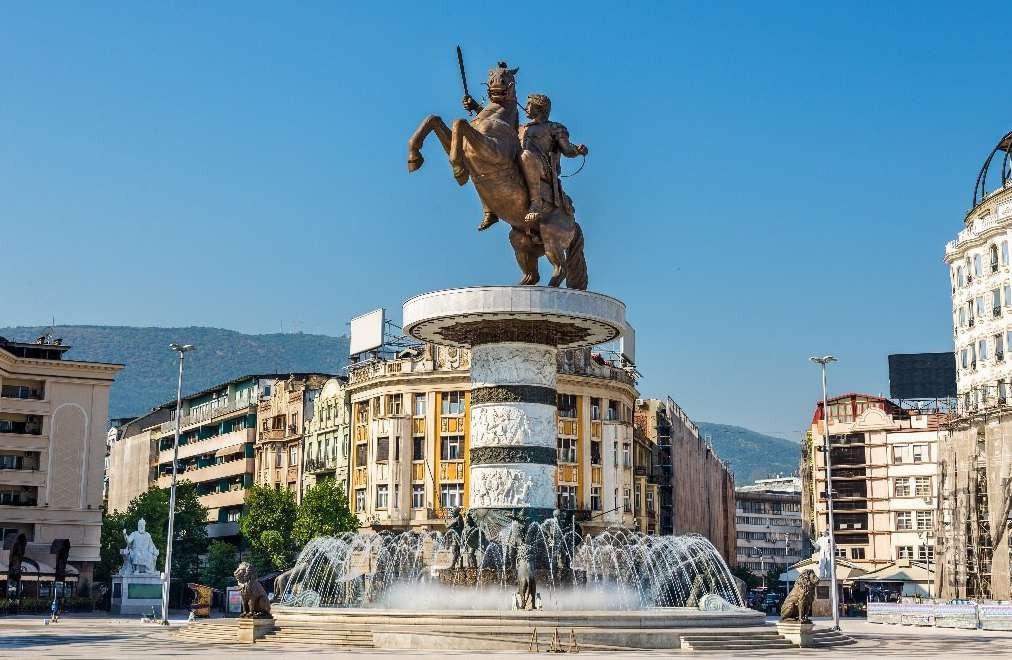
Drive to Skopje, capital of North Macedonia, "the city with more statues than people".
- Museum of the Macedonian Struggle for Independence.
- Macedonia Square and the monument to Alexander the Great.
Day 14Skopje – Sofia (Bulgaria)
Drive to Sofia, the capital of Bulgaria.
- Patriarchal Cathedral St. Alexander Nevsky, dedicated to the Russian soldiers who died in the Russo-Turkish War of 1877-1878.
- Ancient Serdica Cultural Complex, Roman remains found while building the metro station.
- Church of St. Petka of the Saddlers, a 14th-century Orthodox church built below ground level.
- Photo stop outside the 16th-century Banya Bashi Mosque by the architect Mimar Sinan.
- Free time at the Central Market Hall of Sofia, trading since 1911.
Day 15Sofia – Istanbul (Turkey) – Bangkok
- 06:30: transfer to Sofia Airport (SOF).
- 06:45: check in.
- 09:30: fly to Istanbul on TK1028, about 1 hour 30 minutes, snack served on board.
- 12:00: arrive at Istanbul Airport (IST), Turkey, with a stopover of about 3 hours 15 minutes.
- 15:15: fly to Thailand on TK58, about 9 hours 15 minutes, meals served on board.
Day 16Bangkok
Arrive at Suvarnabhumi Airport (BKK) at 04:30.
Included
- Round-trip international economy class flights as specified in the program
- Checked and cabin baggage allowance on international economy flights, per airline conditions
- Transport and sightseeing with an experienced driver
- Accommodation as specified, two guests per room
- Entrance fees as specified in the program
- Meals as specified in the program
- Experienced English-speaking local guides
- Experienced Thai lecturer and tour leader
- City tax / tourist tax as specified in the program
- Travel accident and health insurance abroad (subject to the policy terms and limits)
- Schengen tourist visa fee (Austria) for Thai passport holders
- Drinking water, 1 bottle per person per day
- Hotel porterage, 1 bag per person
Not included
- Upgrade to Business Class and any related costs (outbound Bangkok – Vienna / return Sofia – Bangkok, from 85,000 baht per person)
- Extra baggage or other charges beyond the airline's standard conditions
- Single room supplement (if staying alone): 35,000 baht per person
- Personal expenses such as passport fees, telephone, internet, laundry, minibar, special meals or extra drinks outside the program, excess baggage, seat reservations, medical costs for pre-existing conditions, personal portable oxygen cans, and lost luggage or valuables
- Tips for the tour leader, local guides and drivers (170 EUR per person in total)
- 7% VAT, 3% withholding tax and other taxes (if a tax invoice is requested)
- Fuel surcharges, airport taxes or other airline-related charges if increased after pricing
- Other visa-related costs beyond the visa fee, such as translation, document preparation, courier return of passports, VIP/Premium lounge and other visa-centre services (if any)
About this tour
How much is The Balkans: Epic of the Southern Slavs tour and are flights included?
What deposit is required and when is the balance due?
Do I need a visa for the Balkans tour?
What is the minimum group size?
What is the single supplement and what hotels are used?
How much are tips?
Who leads this Balkans tour and which countries does it visit?
Can I cancel the Balkans tour?
The Balkans: Epic of the Southern Slavs
Interested? Message us on LINE — we reply fast