FILE Nº 0439 · History · DECLASSIFIED
Cham: The Sacred Ritual of Vajrayana Buddhism
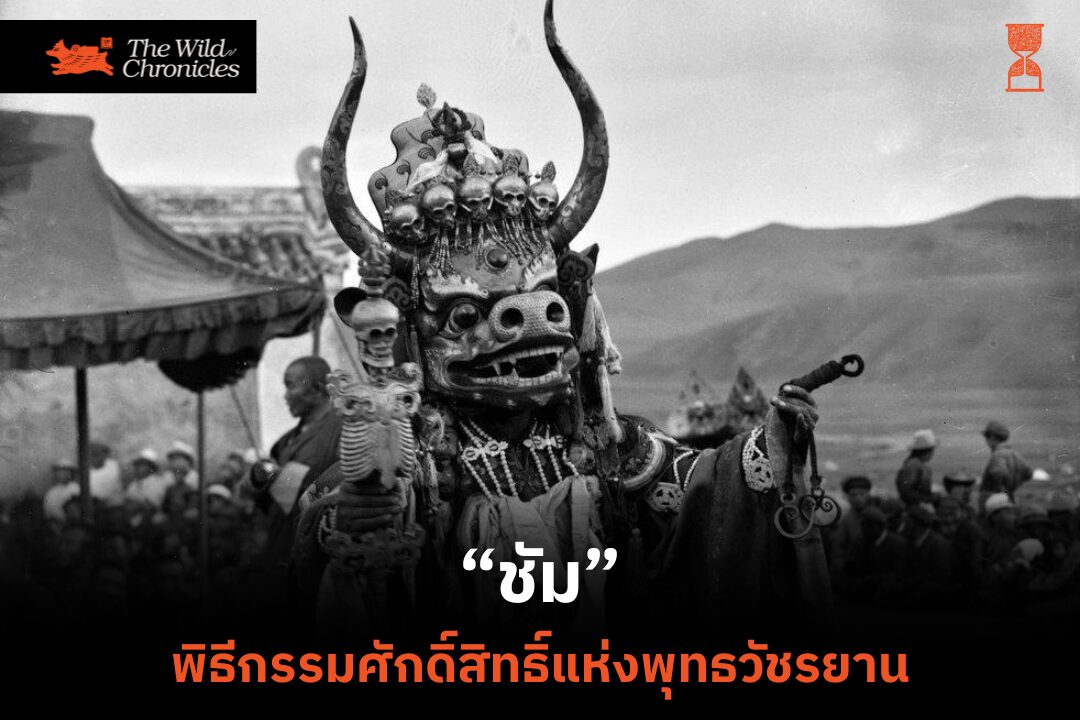
TL;DR — Cham, called Tsam by the Mongolians, is a sacred masked dance ritual in Vajrayana Buddhism.
"Cham," called "Tsam" by the Mongolians, is a sacred masked dance ritual in Vajrayana Buddhism, intended to drive negative forces, inauspiciousness and ignorance out of the community.
In this ritual the performers wear masks of various animals, which do not directly convey outward appearances but are symbols of abstract ideas, especially the figures of the "Dharmapala" deities, which often derive from bodhisattvas or Hindu gods, to convey lessons of impermanence and liberation.
The ritual originated in Tibet in the time of King Trisong Detsen, the second Dharma King of Tibet, when the master Padmasambhava, the guru who established Vajrayana Buddhism in Tibet, performed a mask dance that became the model for the Cham dance, which spread across Tibet to Bhutan and Mongolia.
The picture here shows a Tsam performance in Ulaanbaatar, Mongolia, in 1925. The performer wears a buffalo mask with a crown of skulls, a skeleton and a sacred scepter, representing "Yama," the god of death and one of the Dharmapalas, signifying the destruction of the ego and the impermanence of life.
The Tsam dance is therefore more than a performing art. It is a spiritual ritual that joins faith, art and the Dharma together. Although it was banned in Mongolia's communist era, after 1990 the ritual was revived as a cultural and spiritual heritage of the people.
#TWCHistory #TWCChina #TWCTibet #TWCBhutan #TWCMongolia #TWC_Rama