FILE Nº 0029 · Culture · DECLASSIFIED
China Silk Road: Why Join the "China: Silk Road" Tour to Retrace the Quest for the Tripitaka with The Wild Chronicles
TL;DR — The Silk Road was a historically important trade route linking the eastern and western worlds.
"The Silk Road" was a historically important trade route 📚 linking the eastern and western worlds. It stretches from Xi'an in China to Rome in Italy, a total of more than 6,400 kilometers.
Did you know? The Silk Road was discovered by accident, when the Chinese envoy Zhang Qian found the Gansu Corridor, a narrow strip through barren terrain with water all along it, which could be used as a route between China and Central Asia.
The Silk Road is also the route that Tang Sanzang (Xuanzang) took to bring back the Tripitaka, which is why many places along it appear in the novel Journey to the West 🐒
The Wild Chronicles volunteers to take you along on a journey retracing the quest for the Tripitaka, a great historical highway that connected the world.
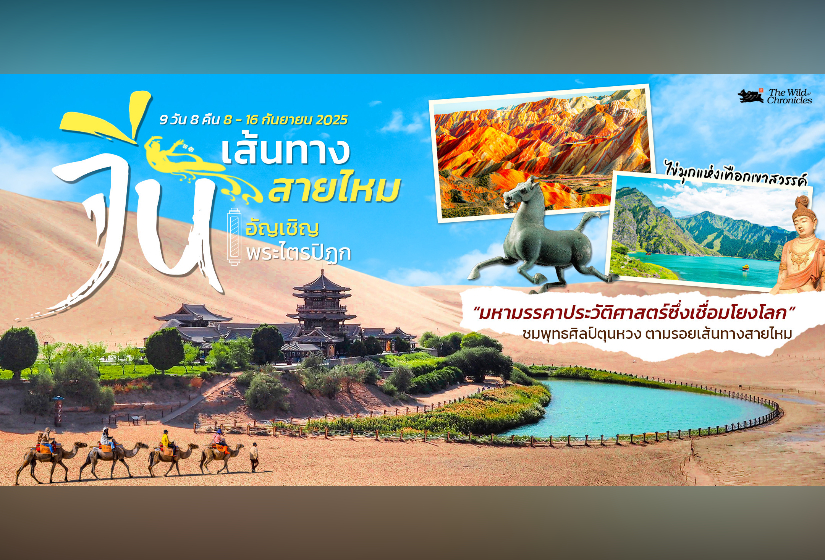
A special trip that cannot wait! Departing on 8-16 September 2025! A full 9 days 8 nights
...Don't be late, book now!...
Let's see why you should join the "China: Silk Road" tour retracing the quest for the Tripitaka with The Wild Chronicles.
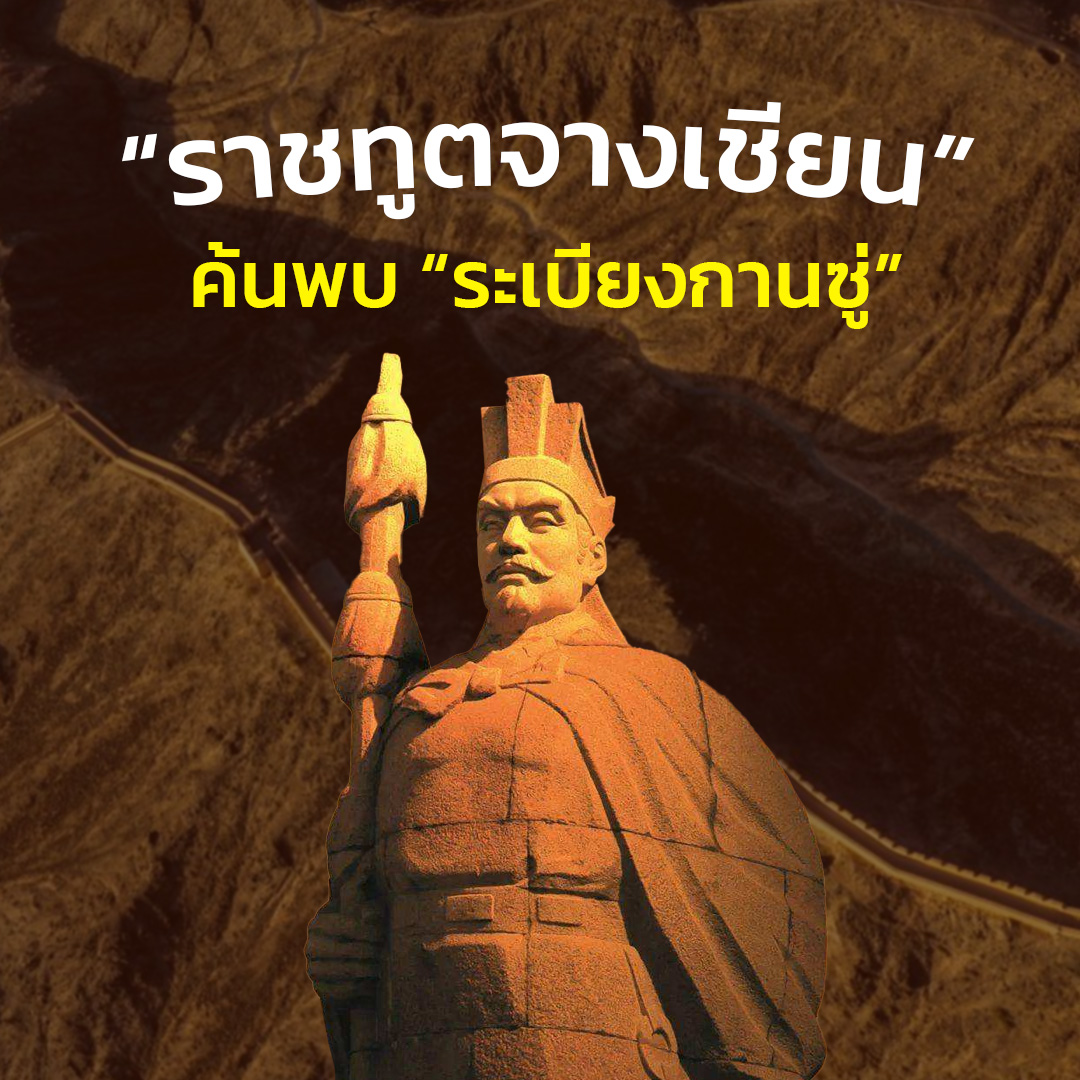
In the early Han dynasty, China was invaded by the Xiongnu, nomadic tribes of the north. Emperor Wu of Han wanted allies to fight the Xiongnu, so he sent the envoy Zhang Qian 👲 to Central Asia to contact the Yuezhi tribe and ask them to become allies 🫱🏻🫲🏼
On this journey Zhang Qian discovered the Gansu Corridor, a narrow strip through barren terrain with a continuous supply of water 🏞️
The Han court therefore began to give importance to trade with Central Asia and developed the Silk Road, which linked China with Central Asia and reached as far as India, Persia, the Middle East and Europe 🌍
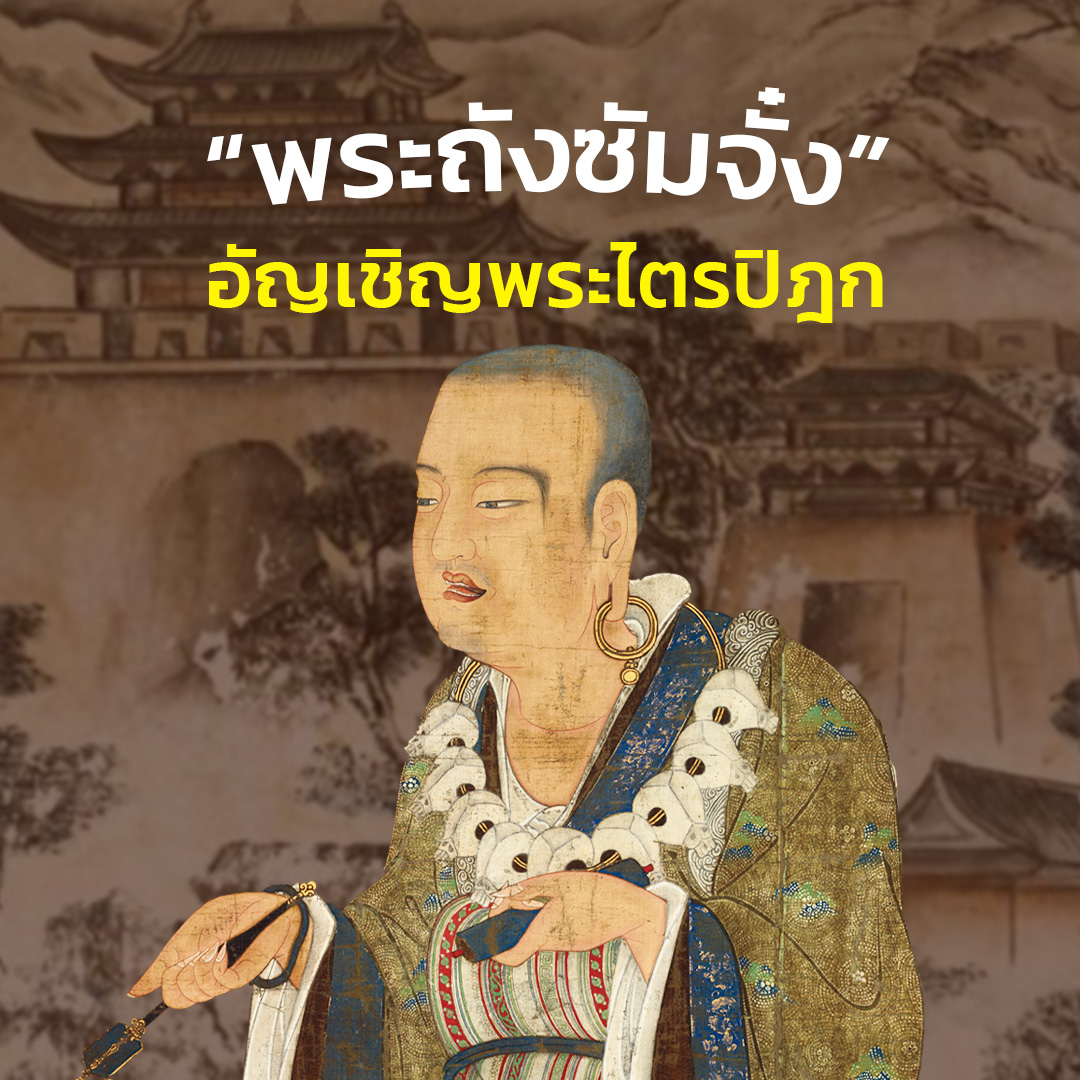
The Silk Road reached its peak in the Tang dynasty, especially in the reign of Emperor Taizong. In this age Tang Sanzang (Xuanzang) used the Silk Road to travel to Jambudvipa, or present-day India, to study Buddhism and bring the original sutras back to China.
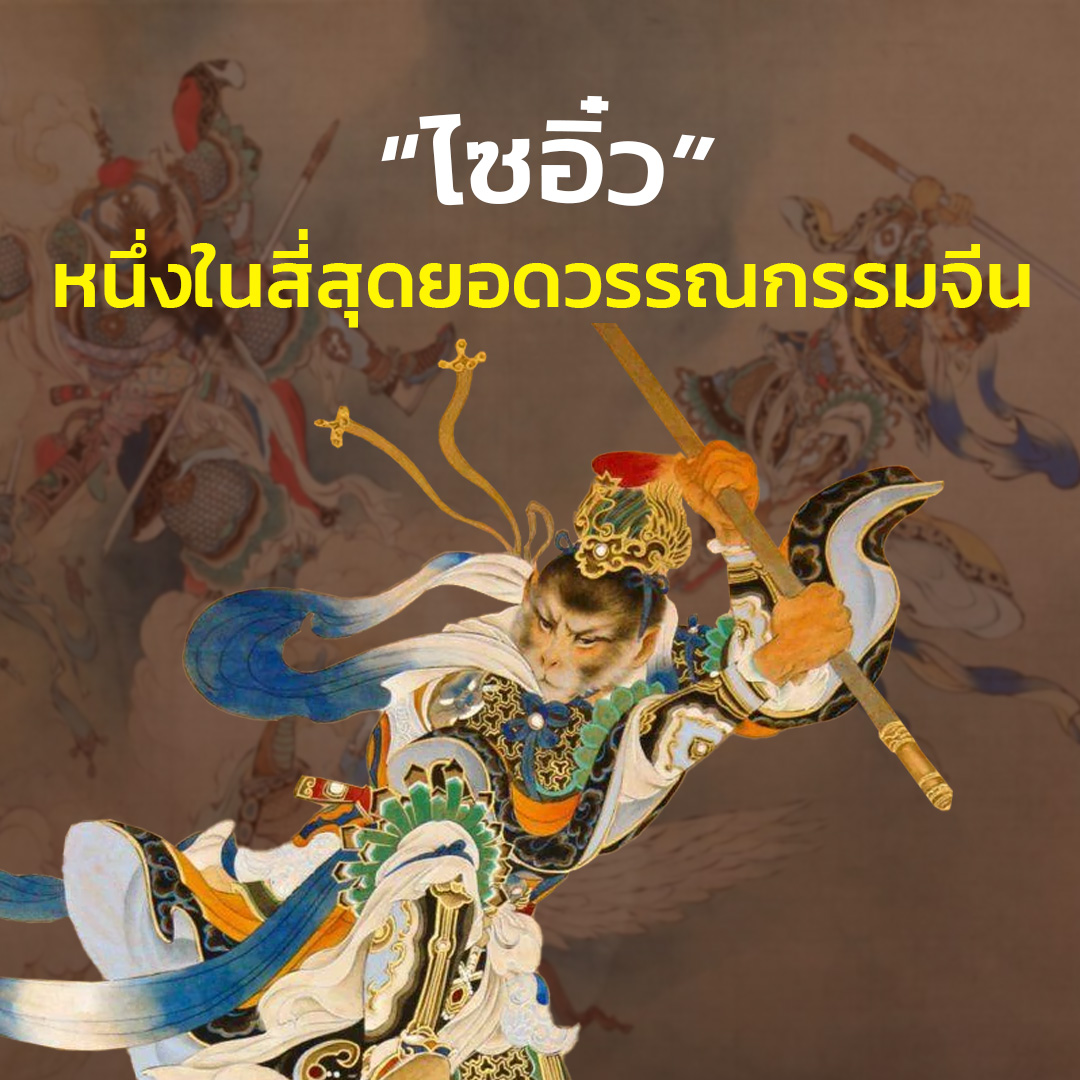
His story inspired Wu Cheng'en, a Ming dynasty writer, to write Journey to the West, one of the Four Great Classical Novels of Chinese literature. Journey to the West tells of Tang Sanzang's quest for the Tripitaka with his three disciples: Sun Wukong 🙉, Zhu Bajie 🐖 and Sha Wujing 🐟, who helped make the journey a success.

Another important adventurer on the Silk Road was Marco Polo, a Venetian merchant and traveler, who traveled the Silk Road by both land and sea for more than 3 years and served Kublai Khan for as long as 17 years.
When he returned, the story of his travels was recorded and spread, amazing Europeans with the allure of the Eastern world and stirring interest in trade and exploration, so that Europe began its age of exploration and discovery.

This journey... follows in the footsteps of Zhang Qian, Tang Sanzang, Marco Polo and many other adventurers who traveled the Silk Road.
This is the same route that Tang Sanzang and his disciples took to fetch the Tripitaka from the "Western Heaven" (Xitian), meaning India and Central Asia, the lands where Buddhism flourished in that age.
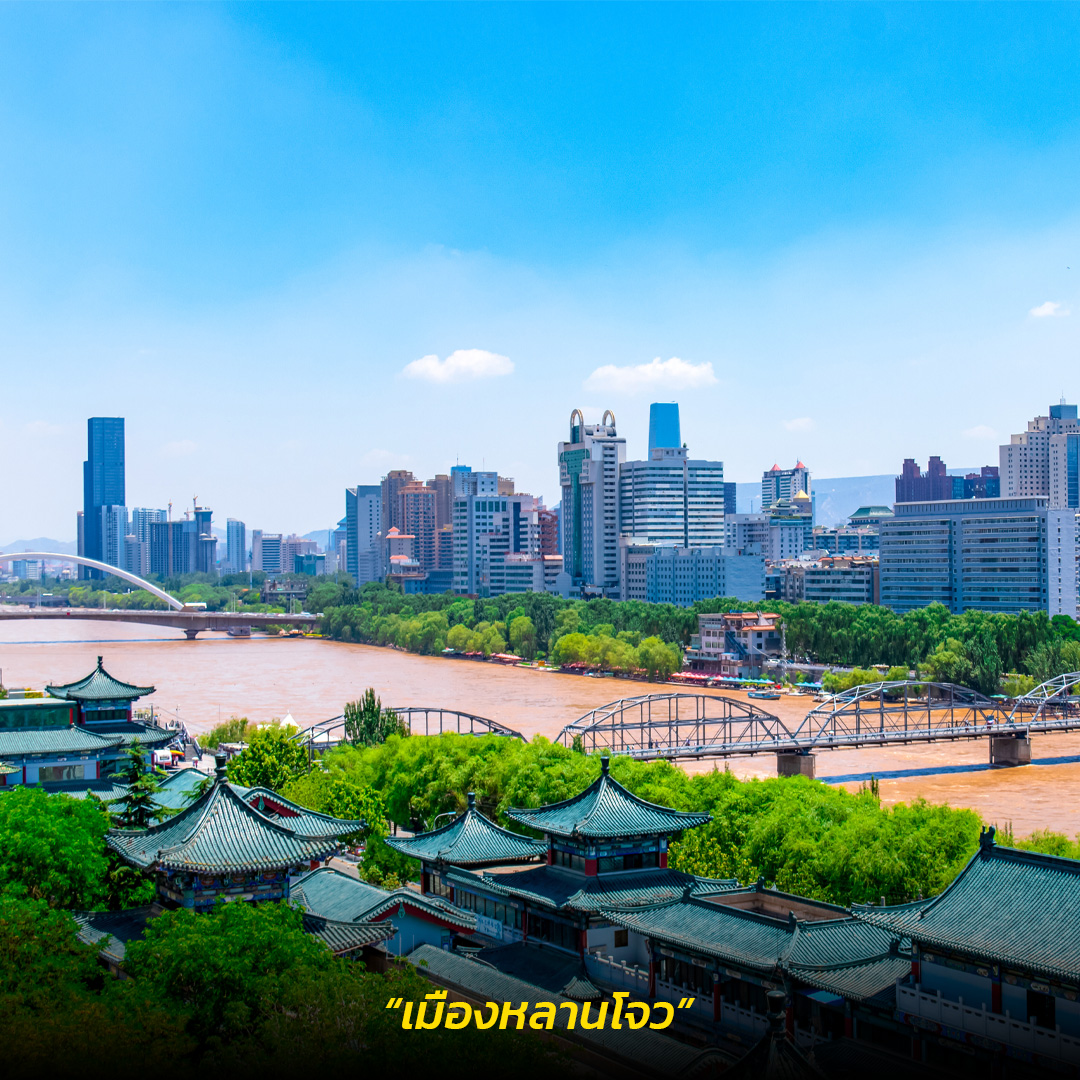
We begin the journey on the Silk Road at "Lanzhou," the capital of Gansu Province, with a long history of more than 2,200 years 📜 Lanzhou played an important military and commercial role in China, since it was the center of the Silk Road, the trade route stretching from China to Europe 🌍
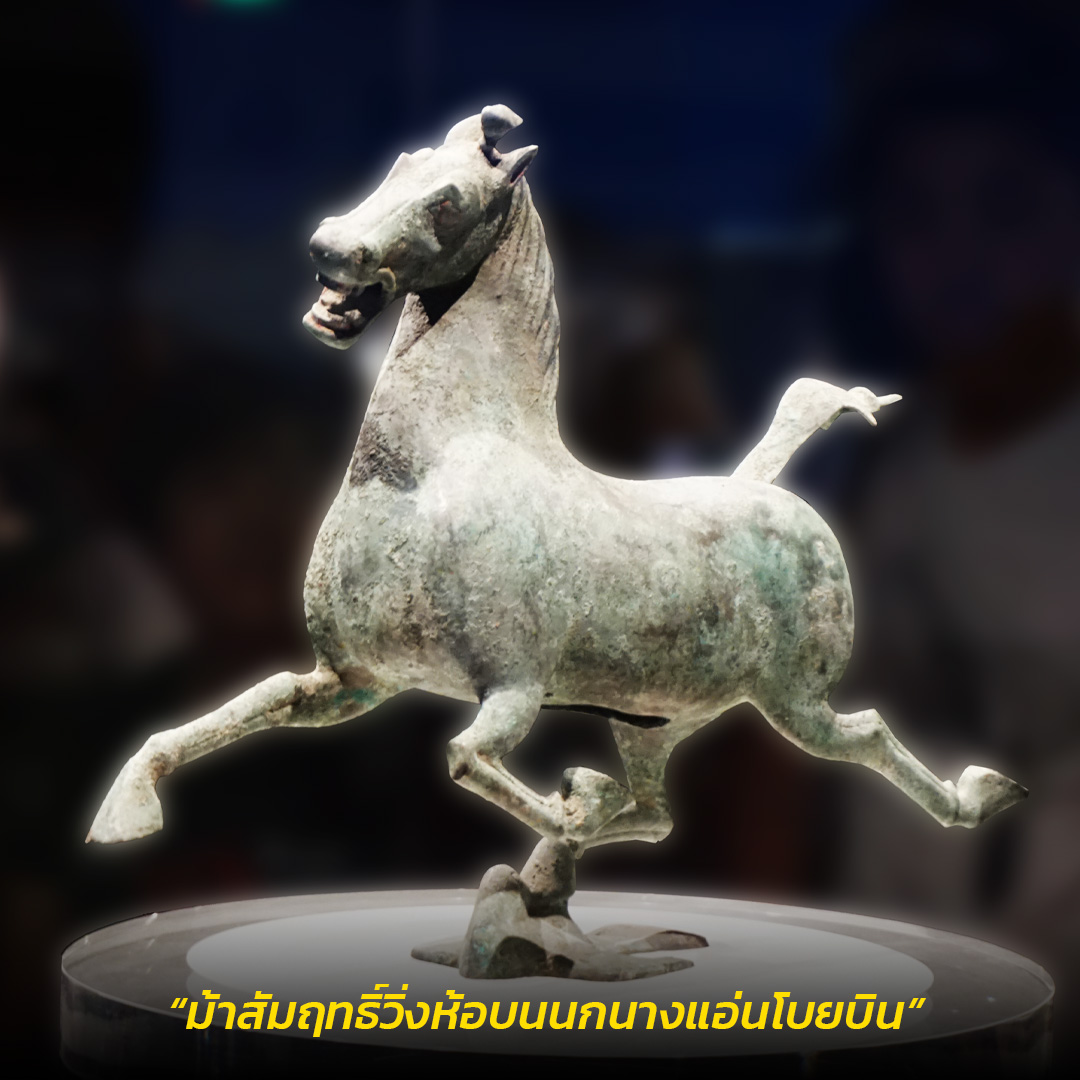
Visit the "Gansu Provincial Museum," which displays more than 350,000 precious artifacts. The most important is the Flying Horse of Gansu, or the "bronze galloping horse treading on a flying swallow" 🪽
This famous bronze sculpture was made in the Han dynasty and has both artistic beauty and historical value, which makes it an important artifact that the Chinese authorities forbid from being exhibited outside mainland China.
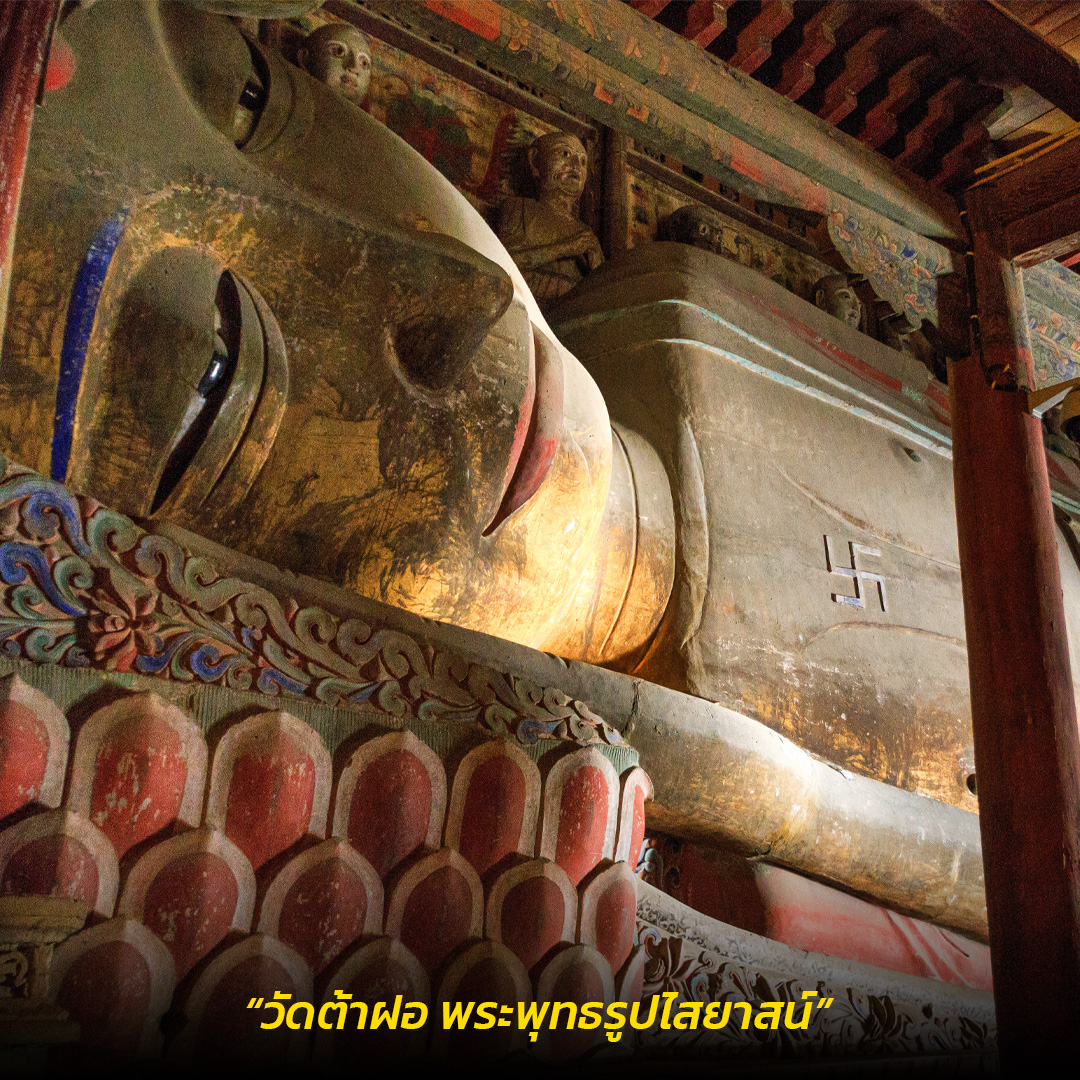
Pay respects at "Dafo Temple," the Great Buddha Temple 🛕 a Buddhist temple famous for its reclining Buddha, one of the largest in China.
This reclining Buddha is 35 meters long and is the largest reclining Buddha made of clay in China. The temple also has beautiful Qing dynasty murals depicting the journey of the monk "Xuanzang," or Tang Sanzang, and his disciples in the novel Journey to the West 🧭
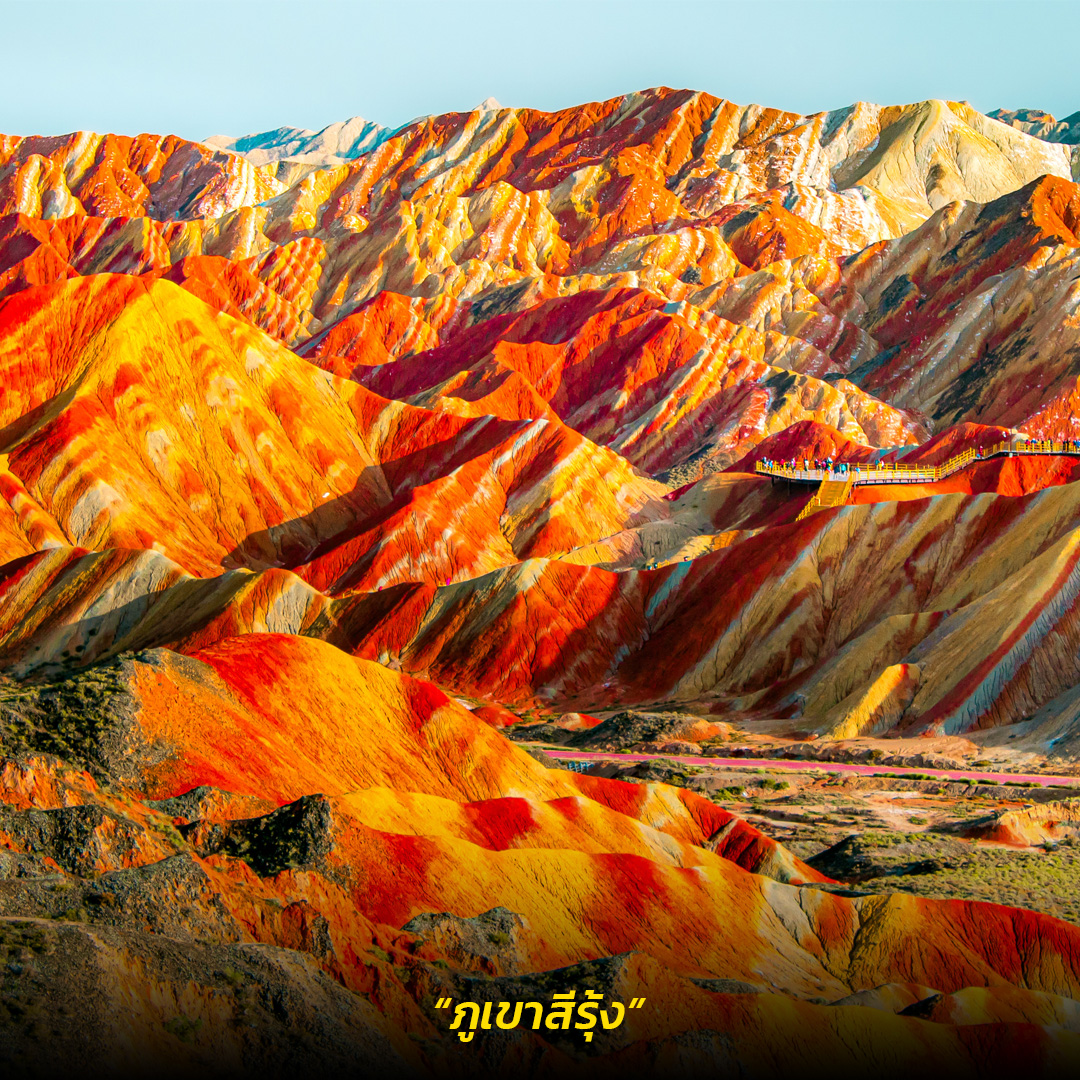
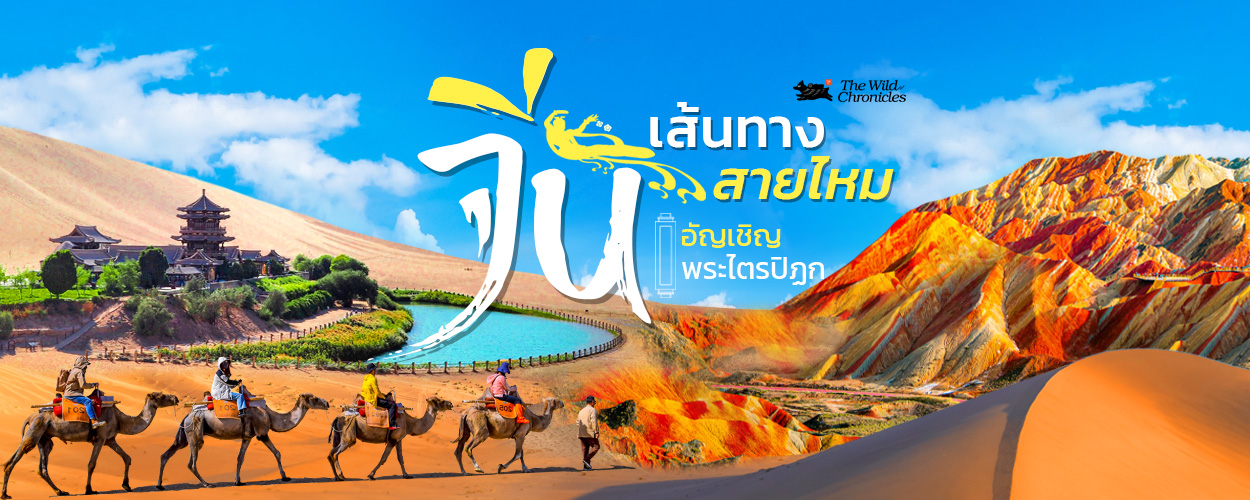
We then take you to another major highlight of the trip, the "Zhangye National Geopark," to visit the stunning "Rainbow Mountains" 🌈 which were listed as a UNESCO Global Geopark in 2020.
We also take you to see the "Jiayuguan Fortress of the Great Wall" 🛡️ an important historic fortress and a symbol of the western Great Wall in the Ming dynasty. This fortress was begun in 1372, in the early Ming dynasty, to guard a strategic point on the Silk Road.
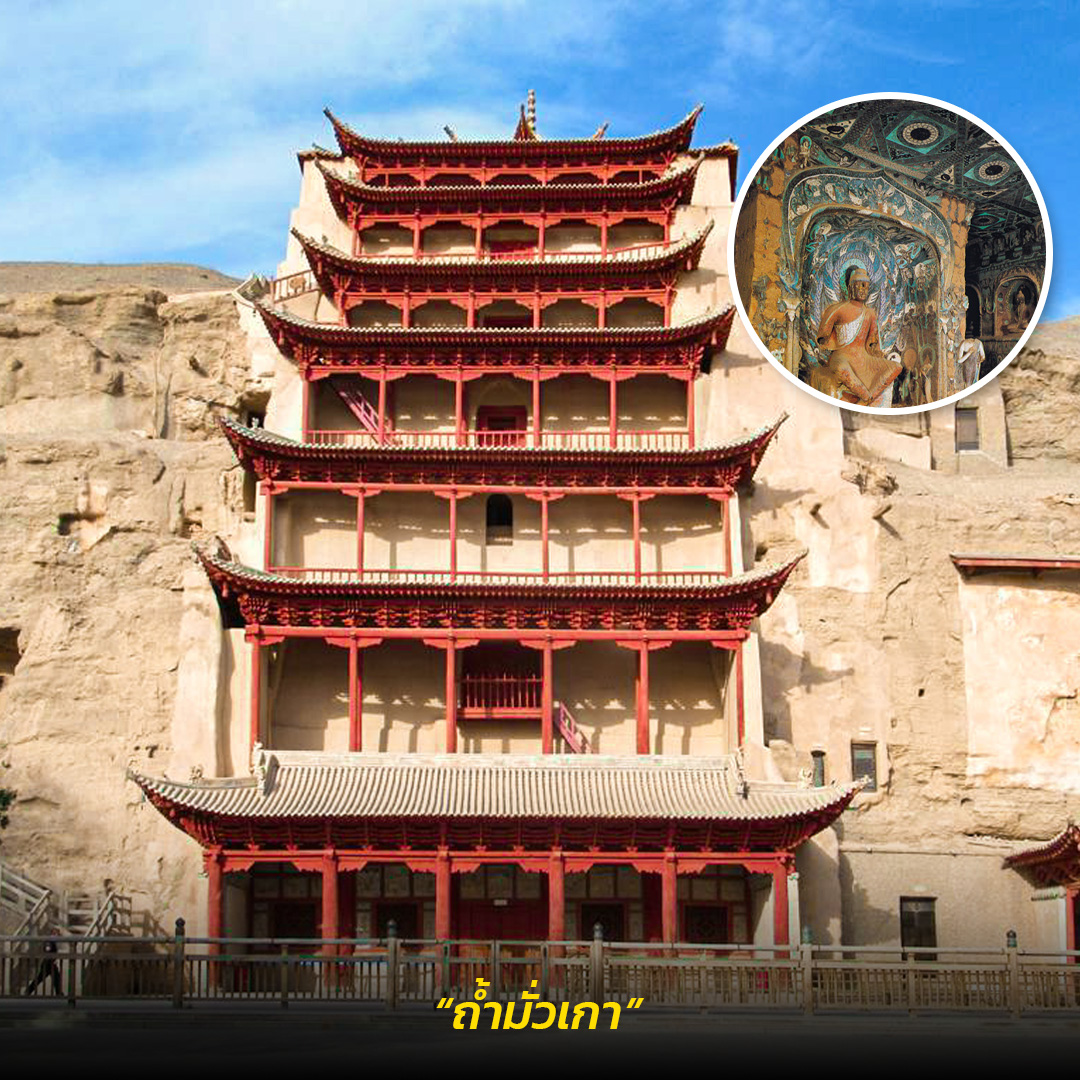
Admire one of the world's most important and greatest sites of Buddhist art at the Mogao Caves, or the Caves of the Thousand Buddhas. These caves were exquisitely carved into a cliff along the Daquan River, and comprise 492 well-preserved caves, filled with magnificent murals covering more than 45,000 square meters and more than 2,000 painted sculptures 😮
The Mogao Caves became known worldwide when a "secret library" was discovered, holding more than 50,000 ancient documents, paintings and Buddhist scriptures dating from the 4th to the 11th centuries ☸️
The Mogao Caves are a treasure house of Buddhist art handed down for over a thousand years. The paintings inside tell Buddhist stories, and there are exquisitely painted clay sculptures too, reflecting the development of Buddhist art through time. In 1987 the Mogao Caves were inscribed as a UNESCO World Heritage Site 🌏
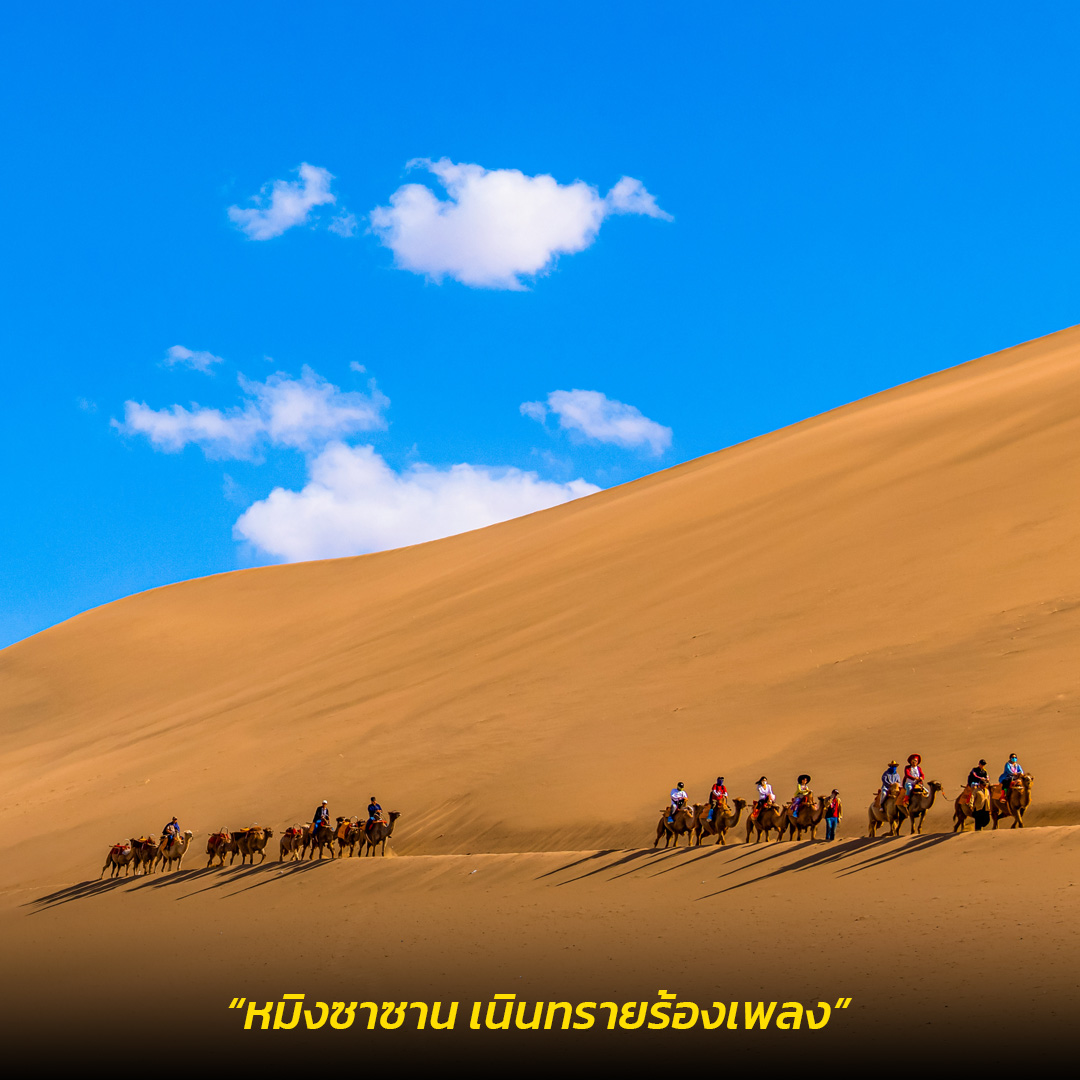
Experience a strange wonder of nature at "Mingsha Shan," the Singing Sand Dunes. The "singing dune" phenomenon 🎶 occurs when grains of sand flow down the dune and rub against each other, producing a variety of pleasant sounds, from soft whispers to booming roars, depending on the wind direction and the movement of the sand. It is one of the most novel and impressive sounds of nature.
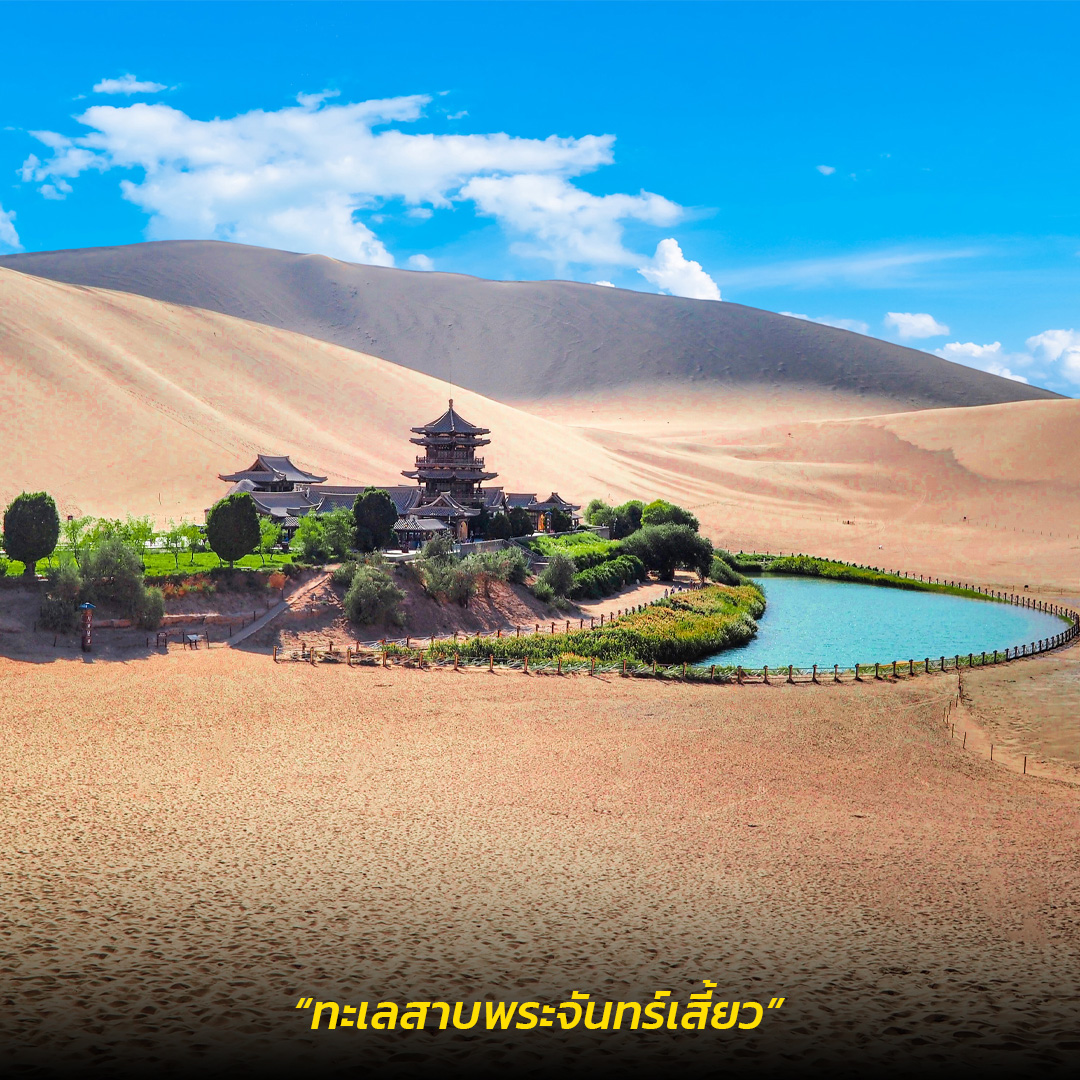
We take you to enjoy the beauty in the midst of the desert at "Crescent Moon Lake" 🌙 a crescent-shaped oasis hidden among the high dunes of Mingsha. This place was an important water source on the ancient Silk Road 🏜️ nourishing countless caravans crossing the arid desert, and earned Crescent Moon Lake the nickname of the first spring in the desert.
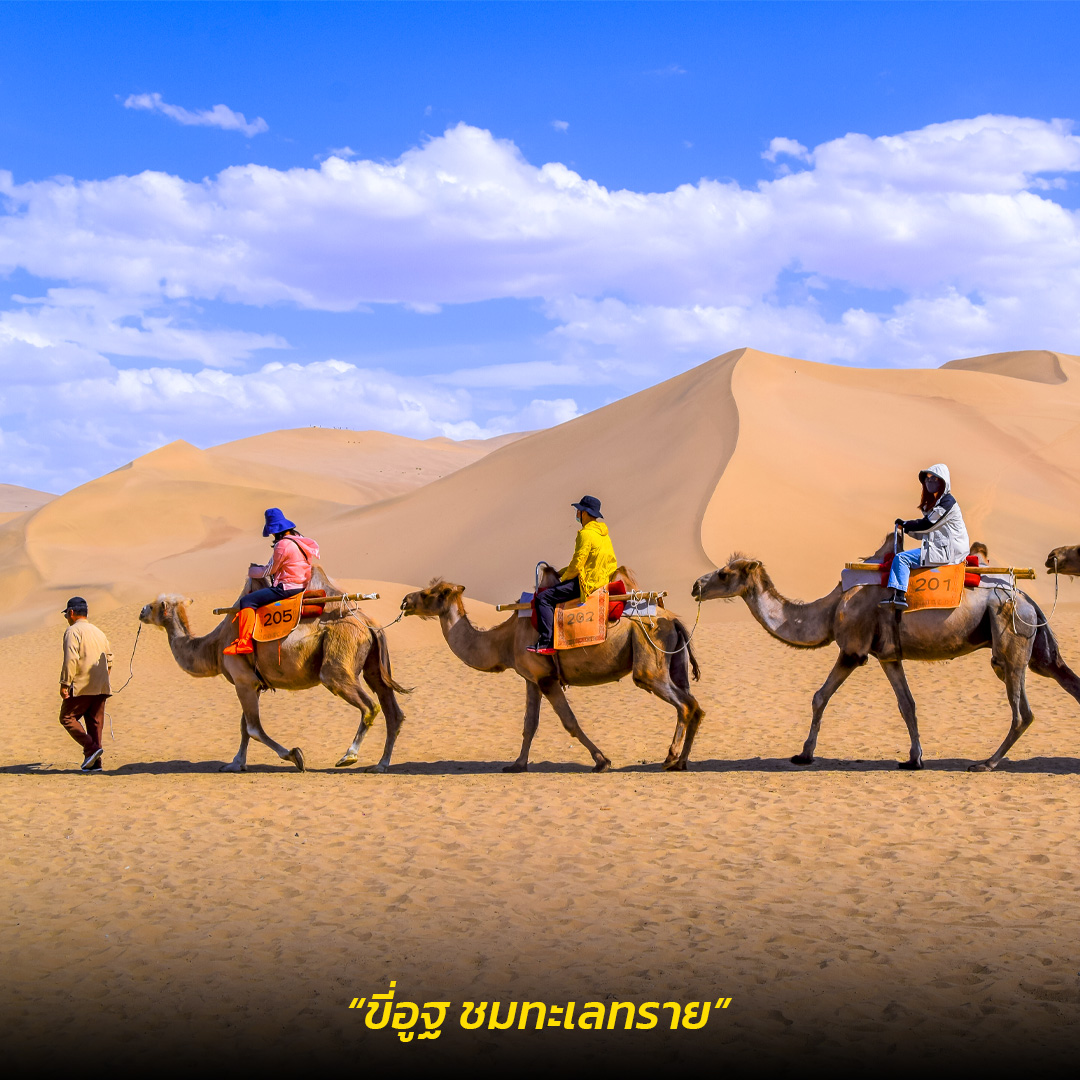
Besides seeing the beauty of this oasis, everyone will experience a camel ride (fee included in the tour price) of about 40 minutes 🐪
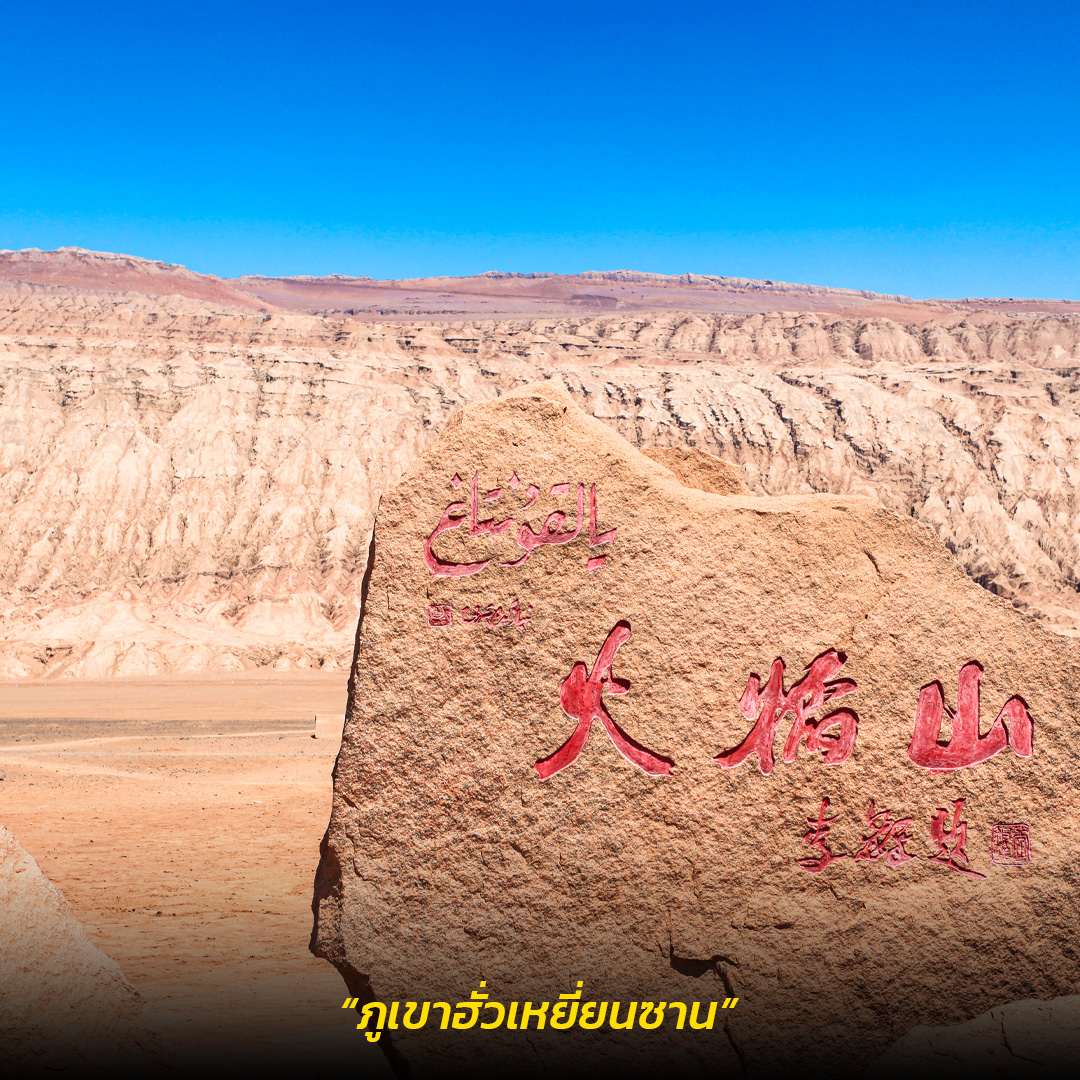
Travel to "Huoyanshan" (the Flaming Mountains) 🌋 a range of red sandstone in the Tianshan Mountains in the Xinjiang Uyghur Autonomous Region.
The Flaming Mountains are also part of the famous Chinese novel "Journey to the West," in which Sun Wukong 🙊 caused chaos in heaven and kicked over the furnace brewing the elixir of immortality, turning it into the Flaming Mountains.
And it was here that Sun Wukong had to borrow the magic fan 🪭 from Princess Iron Fan to put out the fire in the Flaming Mountains so that Tang Sanzang could continue his journey to fetch the Tripitaka in India.
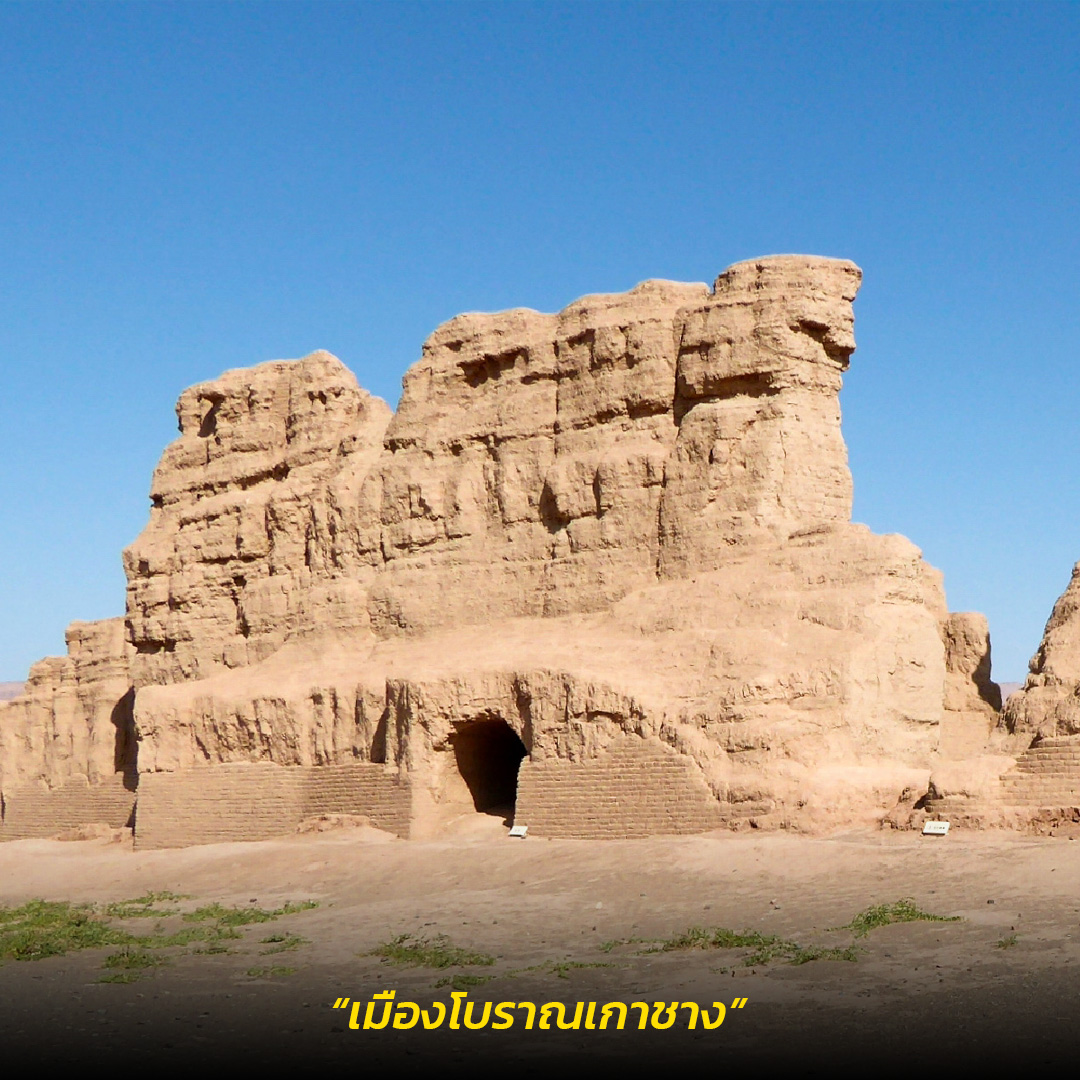
We visit the ancient city of Gaochang, or Kharakhoja in Uyghur, meaning "city of the king," founded in the Western Han dynasty as a frontier town and a trading hub on the Silk Road, where Tang Sanzang once stayed and preached the Dharma to King Qu Wentai before traveling on to India.
Gaochang was abandoned in the 14th century. The city's ruins still show traces of the Silk Road's glory, including the city walls, gates, palaces, temples, houses and markets, reflecting the way of life of the people of this ancient city.
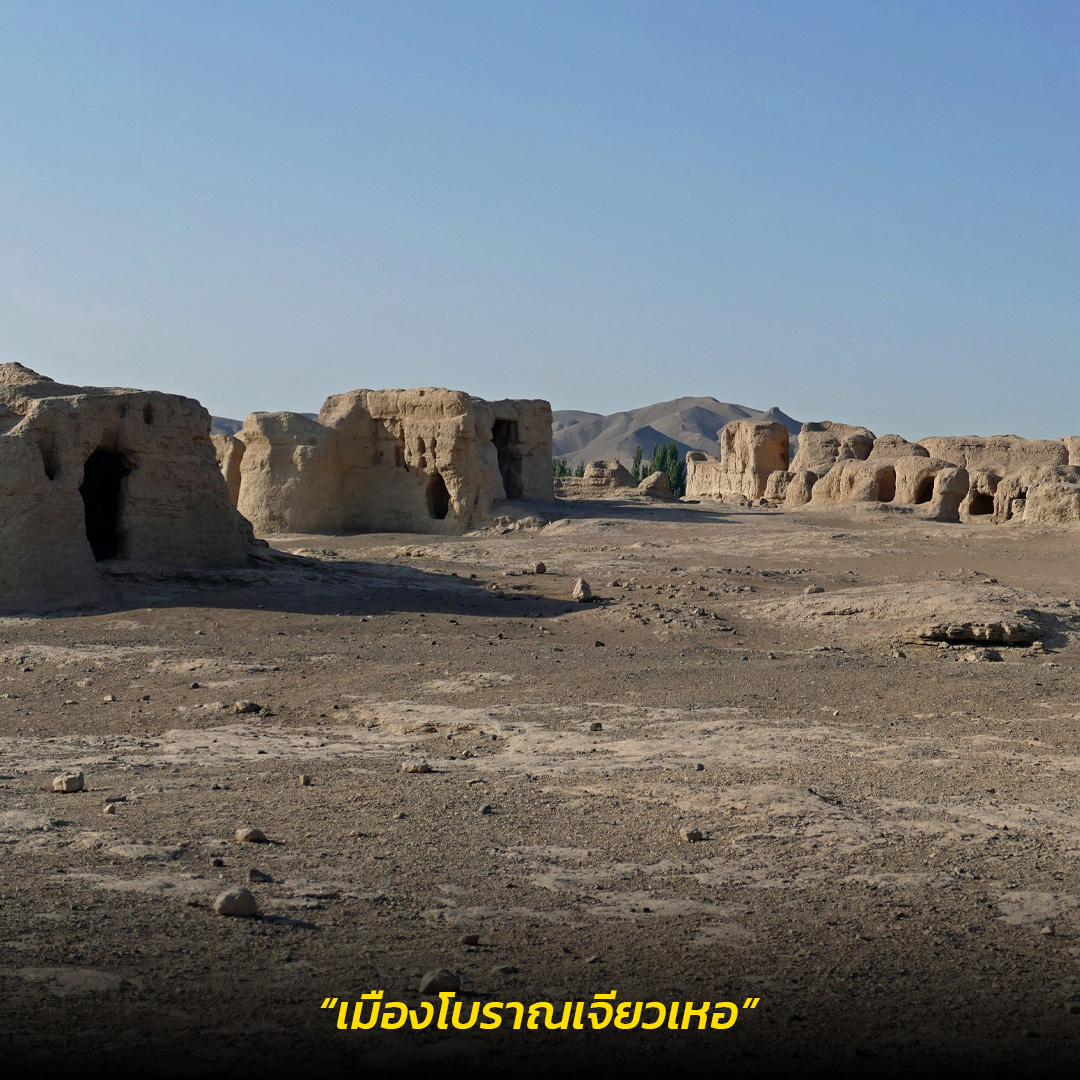
We take you to the "Ancient City of Jiaohe," the ruins of an ancient city founded in 108 BC, once the capital of the Cheshi kingdom and an important stopover on the Silk Road 🌅
This city was once a center of Buddhism in Xinjiang, and its buildings were not built of brick or stone but dug and carved from the rock and clay of the mountain, making the city strong enough to survive for thousands of years.
Jiaohe was abandoned because of war and the decline of the Silk Road. Today the ancient city of Jiaohe is part of the Silk Road, which was inscribed as a World Heritage Site in 2014.
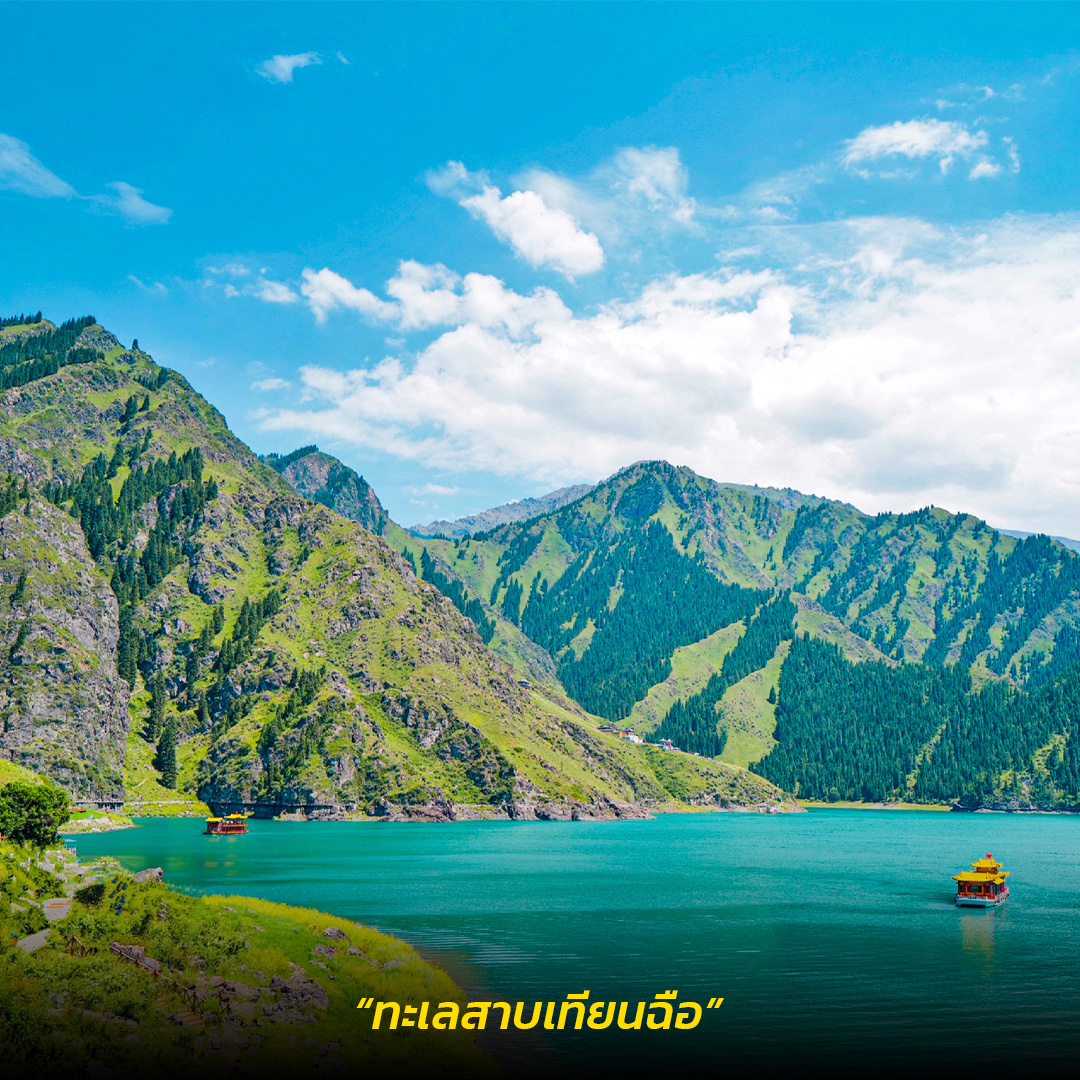
Enjoy the beauty of "Tianchi" (Heavenly Lake) 🏞️ with its crescent shape and crystal-clear water from melting snow, surrounded by snow-capped peaks and dense pine forest 🌲 creating a stunning, painting-like view. This is why the lake is nicknamed the Pearl of the Heavenly Mountains 🪽 and has some of the most beautiful scenery in China 🩵
In the past, merchants from China, Arabia, Persia and Europe traveling the Silk Road needed to rest during their long journeys. Tianchi was a natural refuge with clean glacier water and a cool, pleasant climate, which made it suitable for caravan camps ⛰️
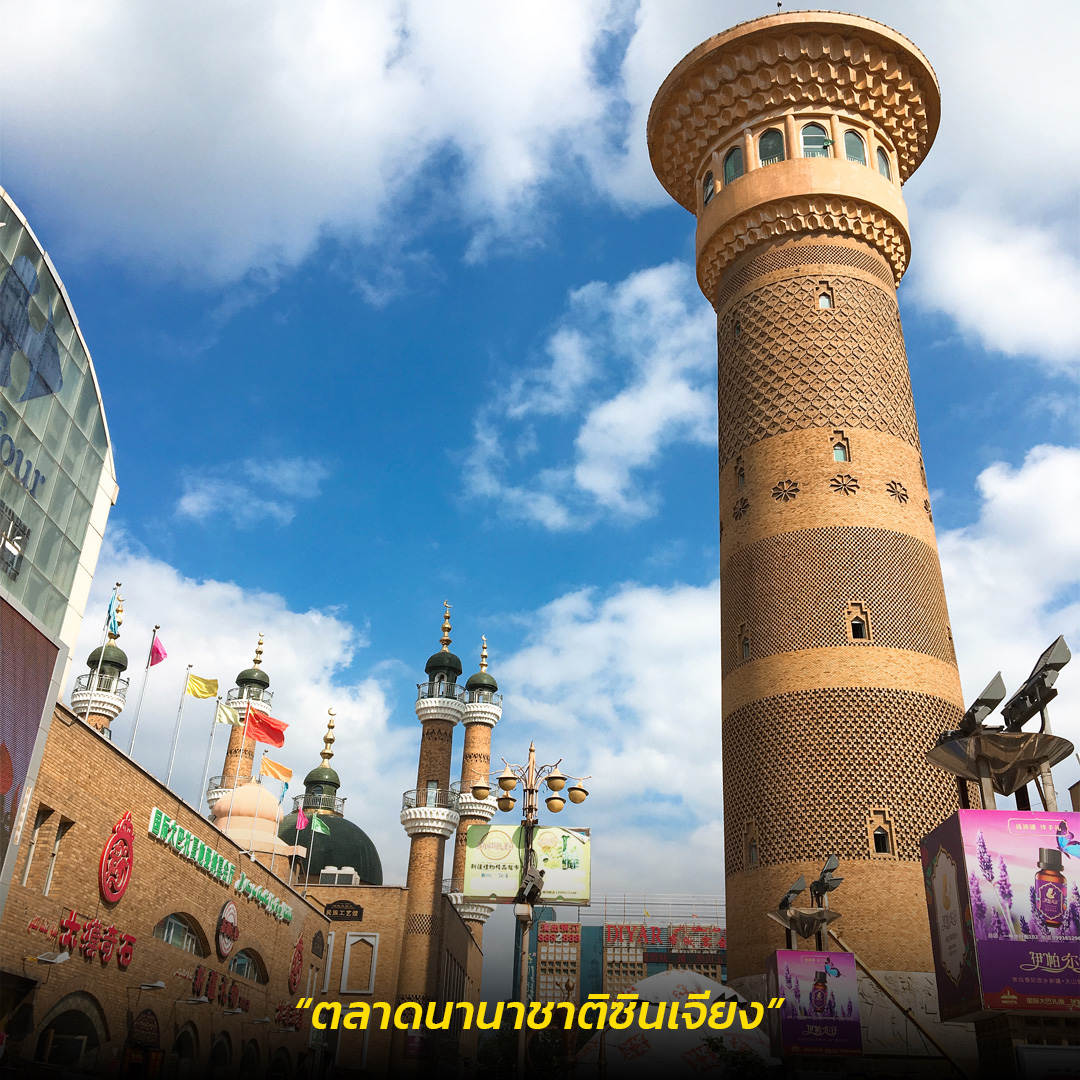
Finally we take you shopping at the "Xinjiang International Grand Bazaar" (Xinjiang International Grand Bazaar), a huge market in the heart of Urumqi 🏙️ and one of the largest markets in the world. The market opened in June 2003 on an area of more than 100,000 square meters.
The market stands out for its beautiful Islamic architecture, with domes and minarets in bright blue and silver.
It brings together more than 3,000 shops offering a wide range of goods, especially handicrafts such as Uyghur carpets, jewelry and embroidered cloth, or delicious food such as kebabs, pilaf and fresh, tempting naan bread 🫓
There are still more amazing places and stories on this Silk Road waiting for you to experience yourself!
A special trip for 2025, departing on 8-16 September 2025! A full 9 days 8 nights
This trip travels with "Khun Pup," owner of The Wild Chronicles page, who will take you to discover new knowledge along the route retracing the quest for the Tripitaka, a great historical highway that connected the world!
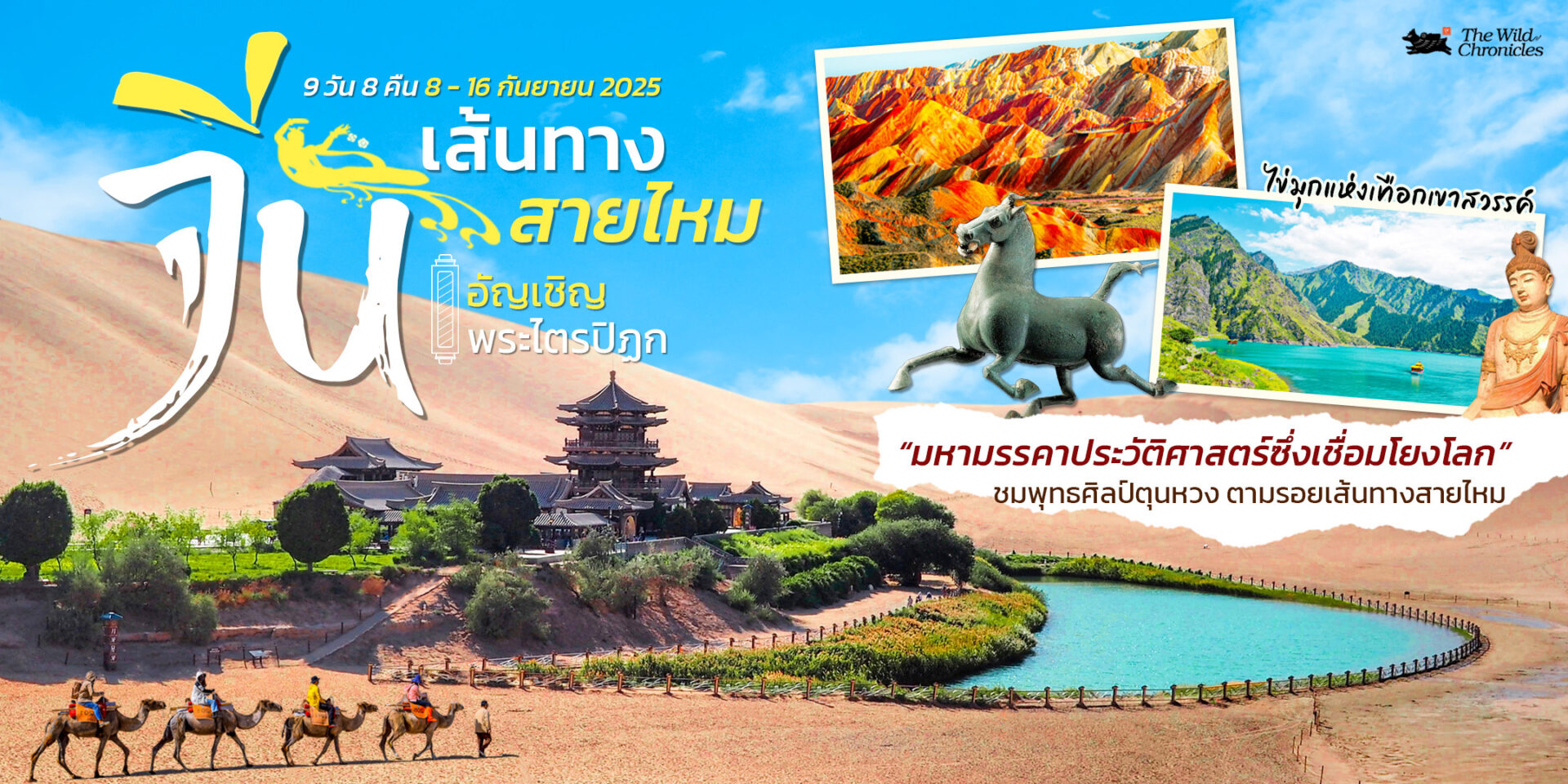
Gain a different experience and feel a new atmosphere you may never have tasted. If you are interested in the itinerary, you can contact us on 082-894-8444, 089-927-6446 or add our LINE OA at @thewildchronicles (type @ in front) and type "สนใจทัวร์จีนเส้นทางสายไหม" (interested in the China Silk Road tour), or press the "Book the tour" button.