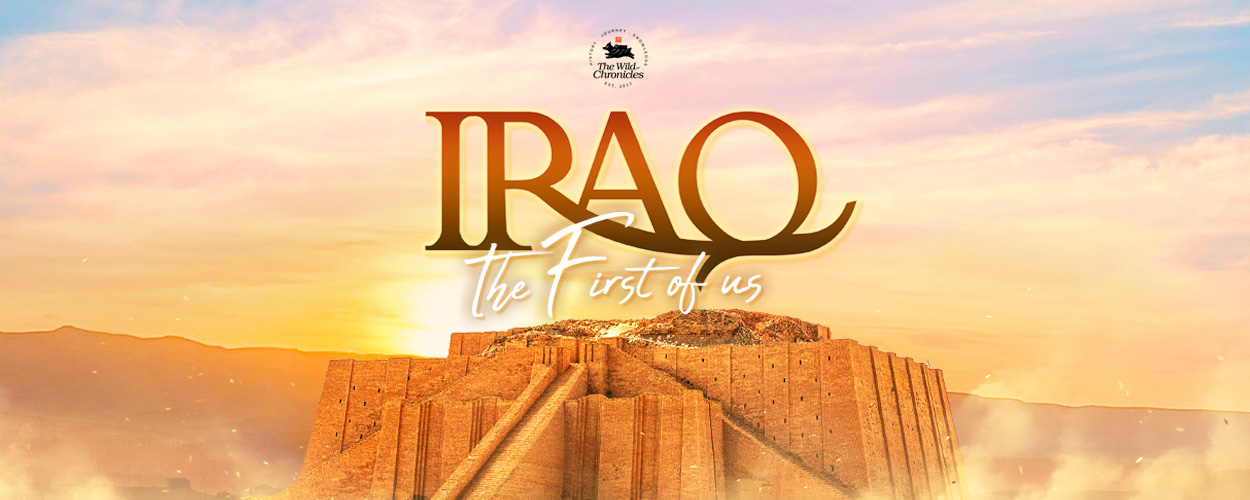
A 12-day Iraq history tour from Ur, Uruk and Babylon to Baghdad, Mosul and Kurdistan, with a day in the UAE, led by Khun Pap, who has written a book on the country.
Trip highlights
- Special tour Iraq: The First of Us, following the roots of all of us
- The previous round sold out very fast; this round heads again to the cradle of human civilisation
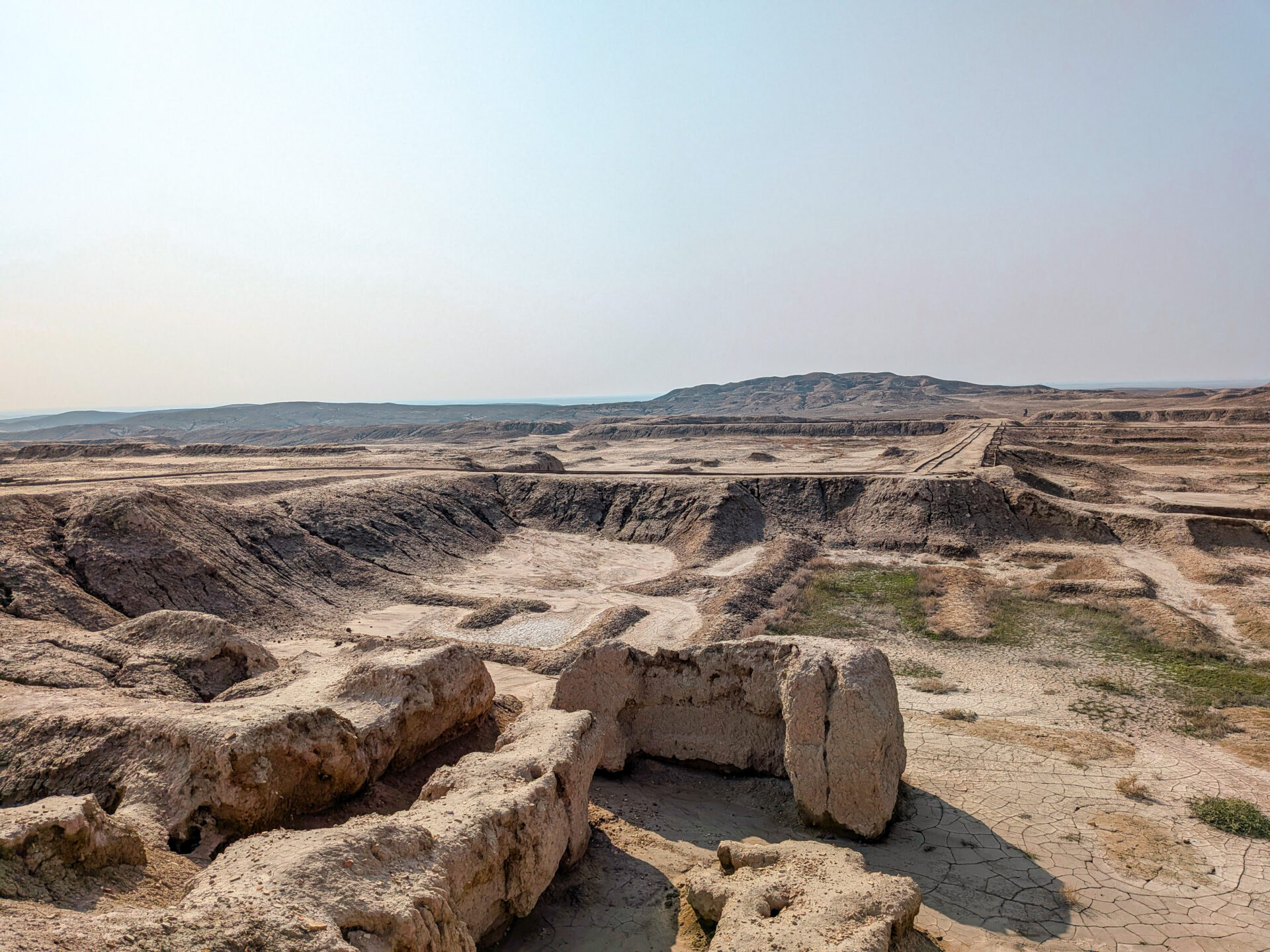
- Uruk, the first city in the world
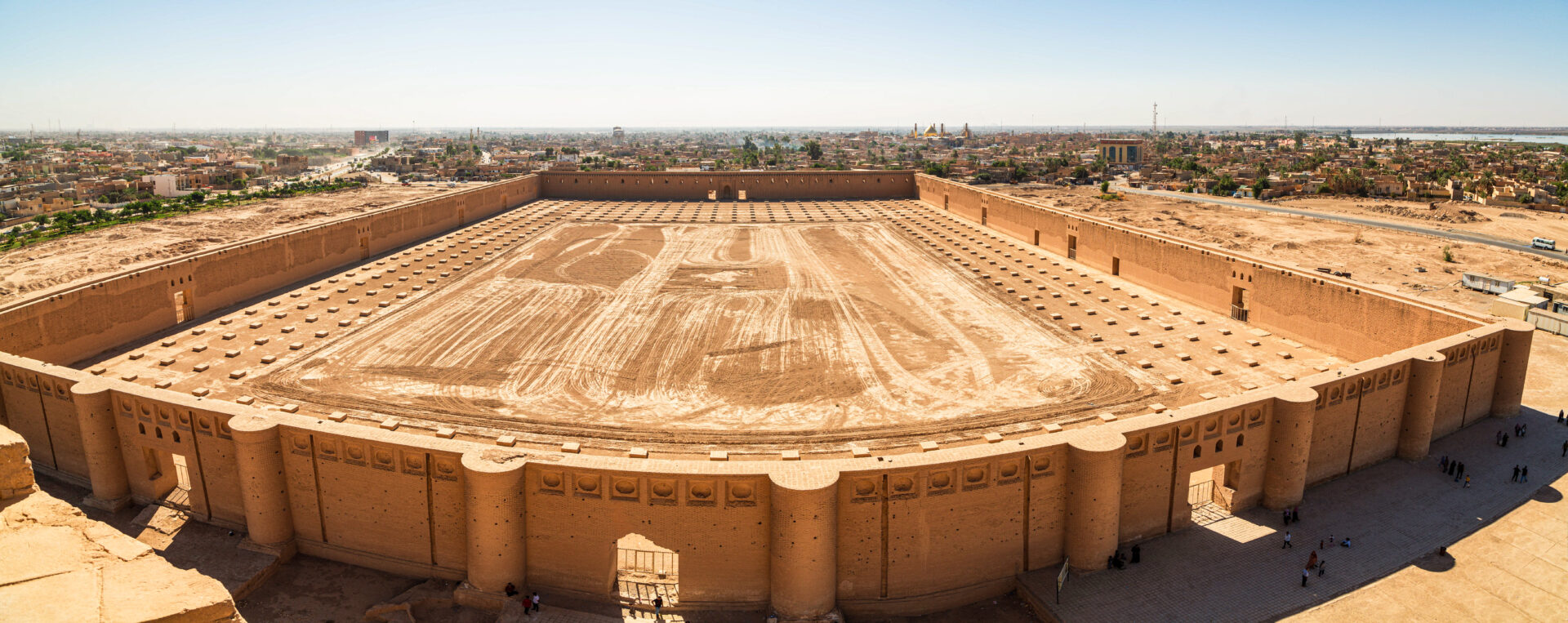
- Babylon, legend of the Hanging Gardens, one of the Seven Wonders of the World
- Baghdad, the metropolis of the Arabian Nights
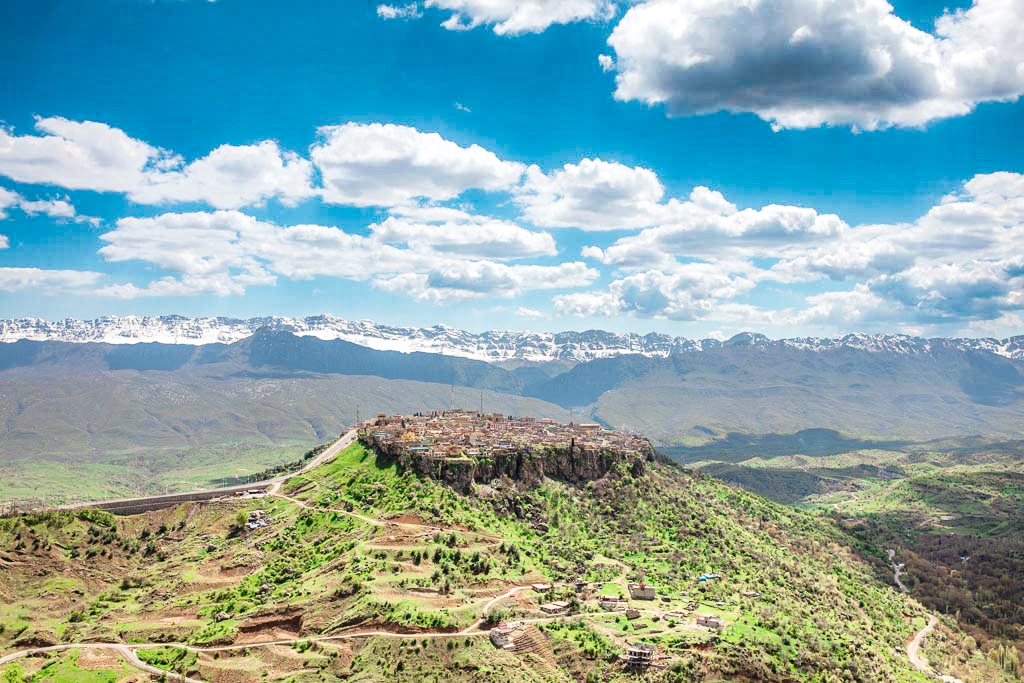
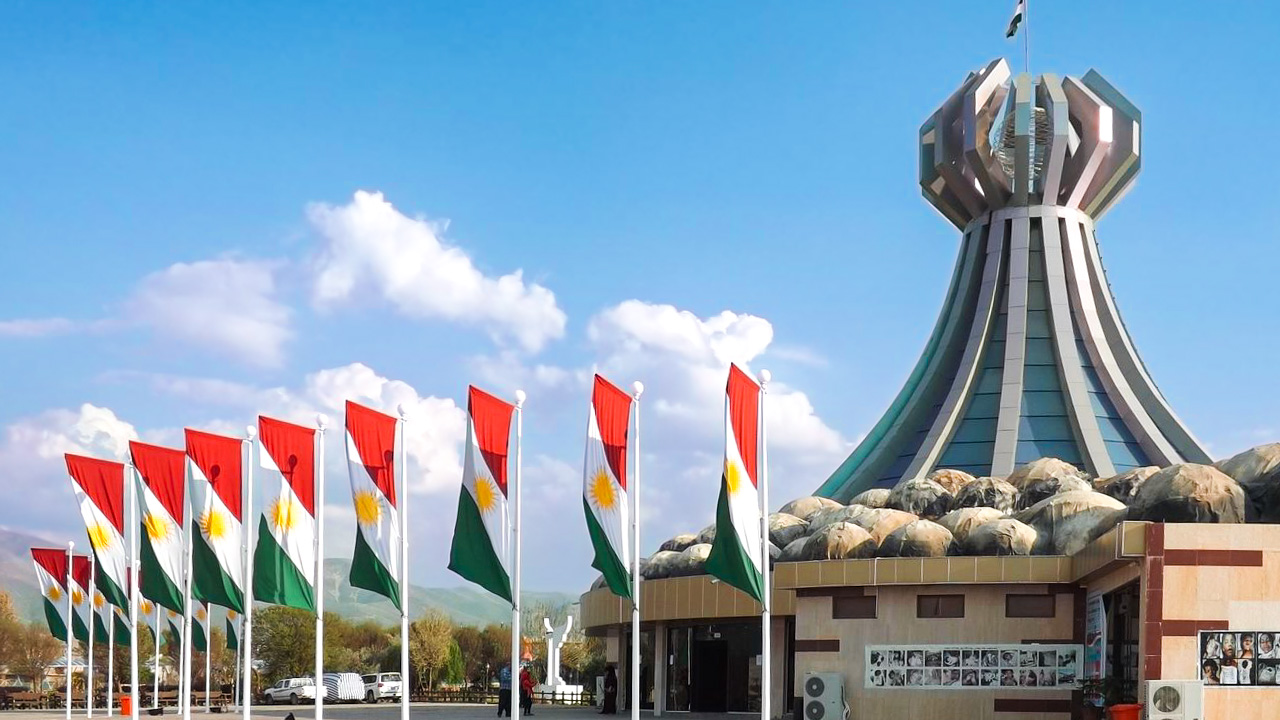
- Kurdistan, the city in the sky and the roots of the Kurdish people
- Special: one day in the UAE with the Burj Khalifa, the tallest building in the world
- 22 October-2 November 2026, led by Khun Pap: an in-depth history trip by the author of a book on this country
Highlight places
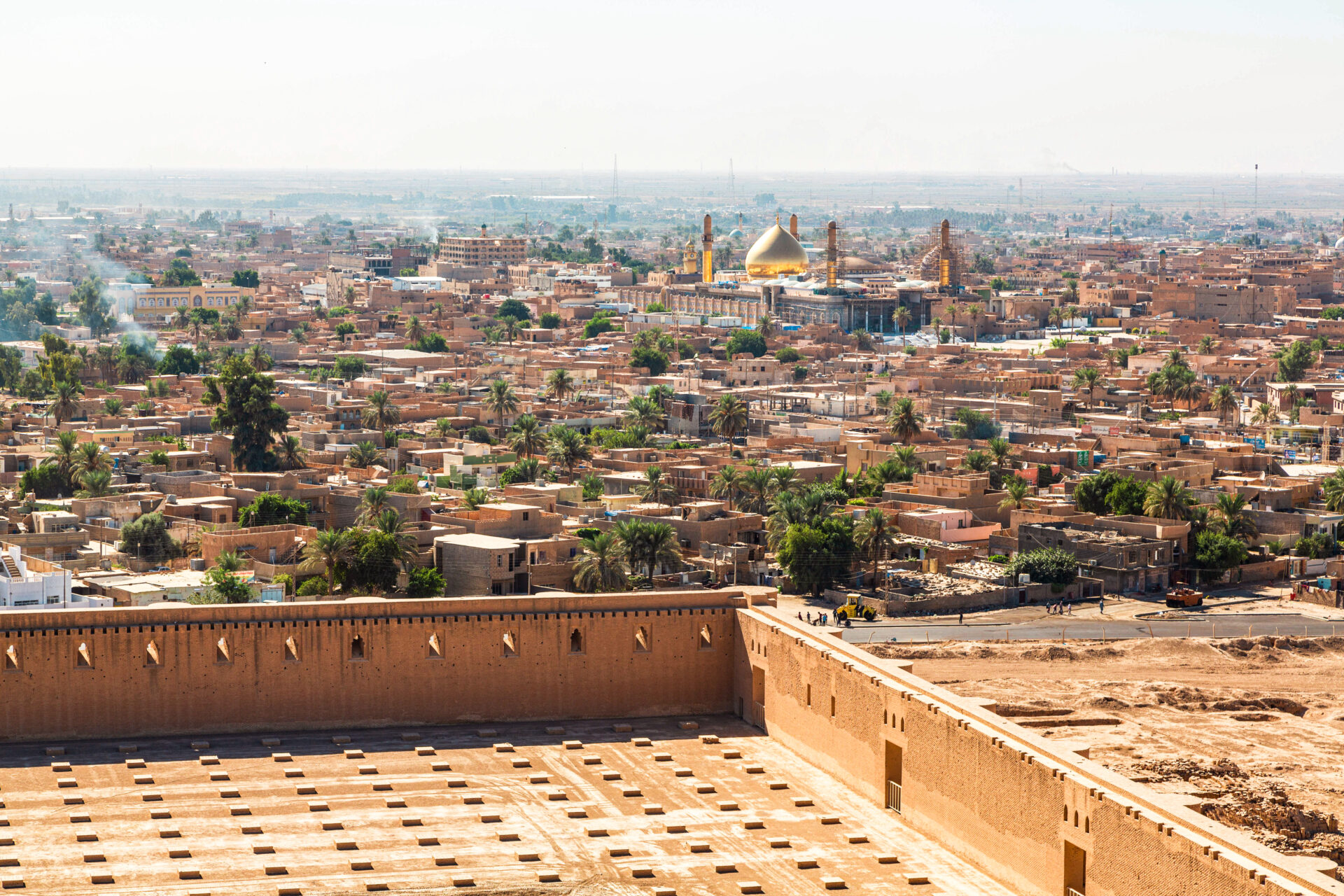
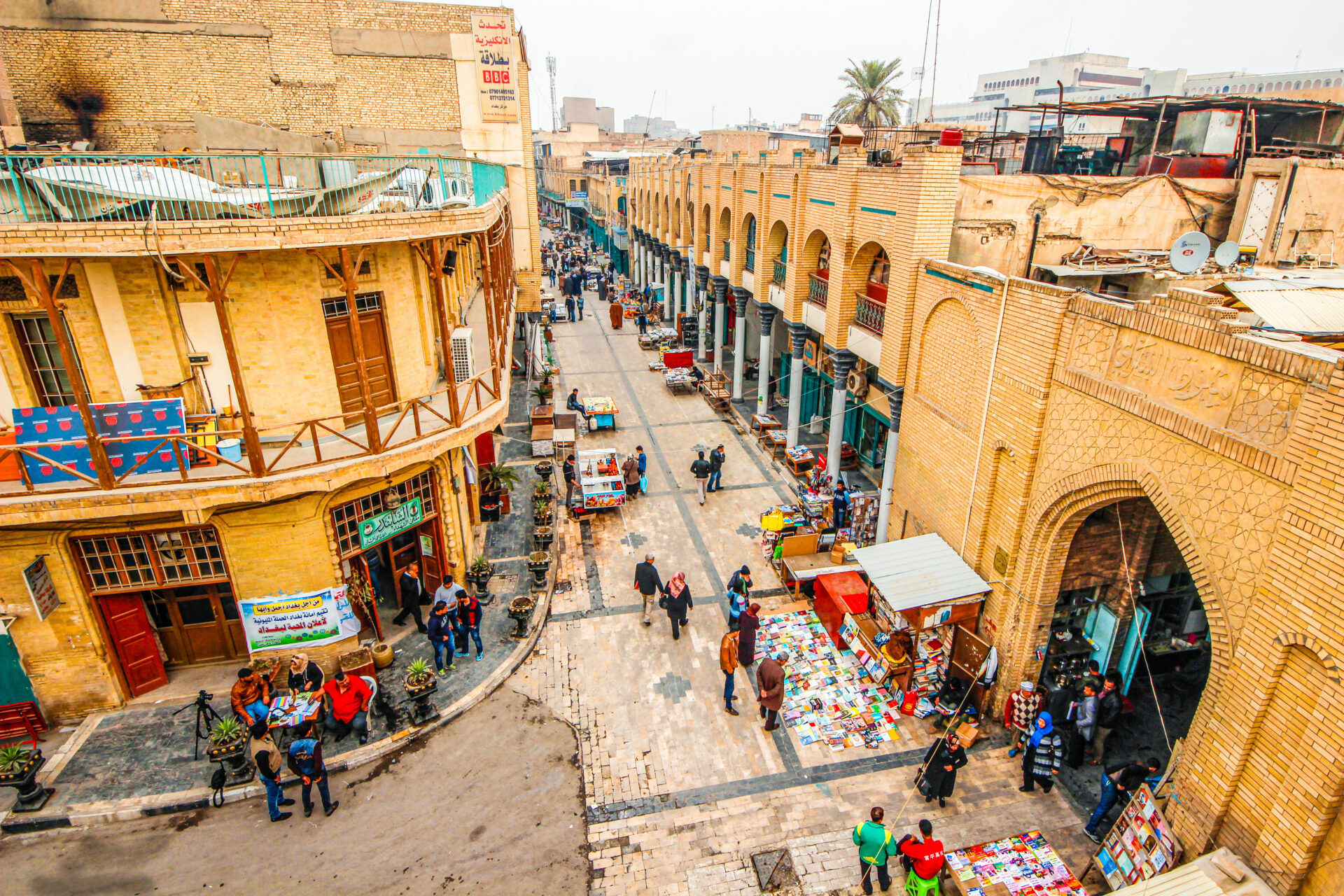
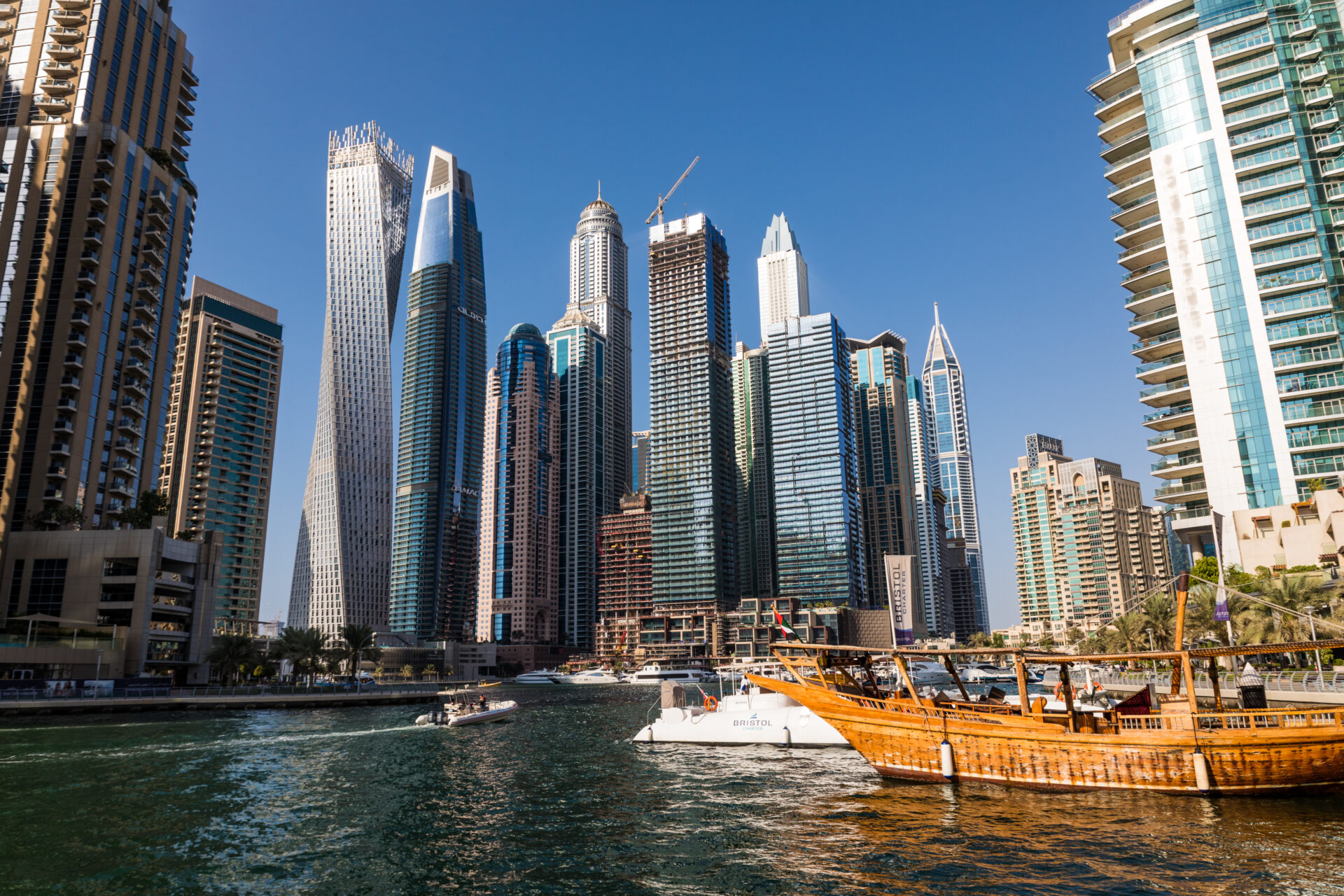
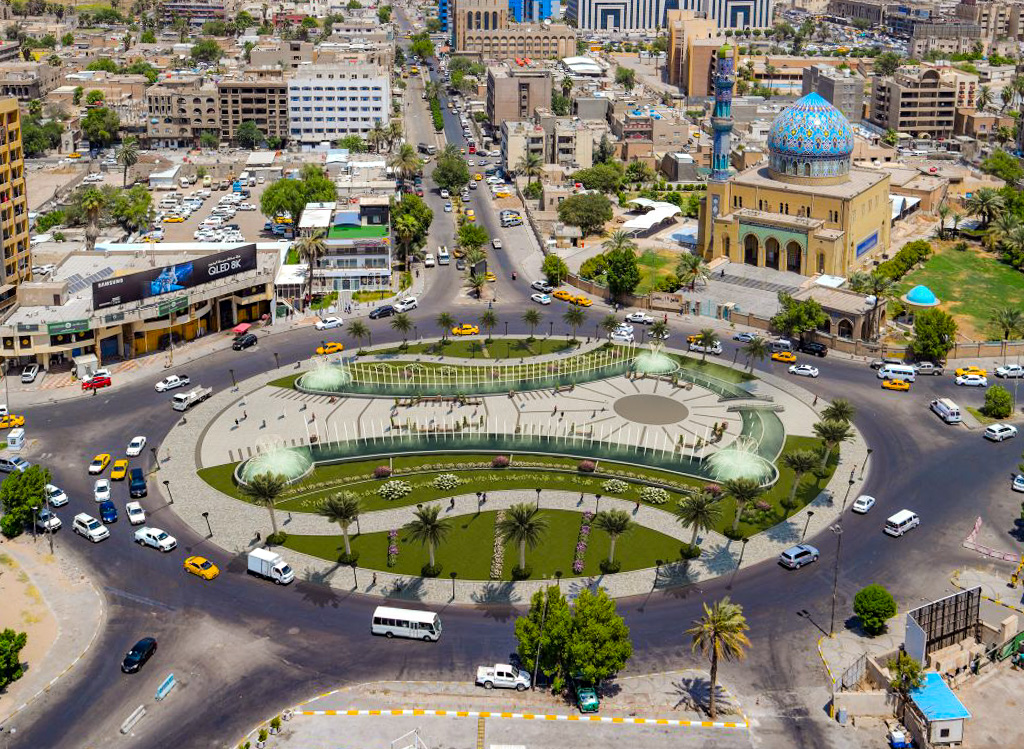
Led by historiansEvery trip travels with an expert history lecturer who brings each site to life in plain language.
Off the beaten pathCentral Asia, the Middle East, the Himalayas — places most tour companies never go.
Private groups, no rushingRight-sized groups and unhurried time at the places that matter most.
Beyond ordinary travelEvery tour is designed by writers and professional travellers to create experiences that reflect who you are — for travellers who want more than an ordinary holiday.
About this tour
Iraq: The First of Us is a 12-day history tour (22 October-2 November 2026) through Mesopotamia, the land often called the cradle of civilisation. The route runs from the UAE into southern Iraq (Basra, the Mesopotamian Marshes, Ur, Nasiriyah and Uruk), through the Shia holy cities of Najaf and Karbala, to Babylon and Baghdad, then north to Samarra, Mosul, Hatra, Ashur and Nineveh and on into Iraqi Kurdistan (Duhok, Lalish, Amedi and Erbil).
Highlights include the Ziggurat and Royal Cemetery of Ur, the ruins of Uruk, the Ishtar Gate at Babylon, the Iraqi National Museum with the Mask of Warka, the Great Mosque of Samarra and its spiral minaret, the sites of Mosul damaged by ISIS and now being restored, Mor Mattai Monastery, Lalish and Erbil Citadel. The first day also includes a short visit to Dubai, with Old Town and the Burj Khalifa.
The tour is led by Khun Pap, an adventurer-lecturer who has written a book on Iraq. Travel is with Air Arabia via Sharjah, with 4- and 5-star hotels, and the entry visa is arranged by the company.
Day-by-day itinerary
Day 1Bangkok – Sharjah – Dubai
Meet at 06:00 at Suvarnabhumi Airport (BKK), 4th floor, and check in at the Air Arabia counter. Fly at 08:55 on G9822, arriving at Sharjah International Airport (SHJ) at 12:20, meal on board.
- Dubai Old Town: a creekside district that keeps the feel of the old fishing and pearl-trading village.
- Dubai Frame: a 150-metre giant picture frame (viewed from outside).
- Burj Khalifa: the tallest building in the world (viewed from outside).
- Views of Sharjah Corniche and Khalid Lagoon.
Day 2Sharjah – Basra
Check in at 08:30 and fly G9833 at 11:35 to Iraq, arriving at Basra International Airport (BSR) at 12:20, meal on board.
- Basra: an old port on the Shatt al-Arab, founded in AD 636, linked to the tale of Sinbad in the Arabian Nights, and badly damaged in the Iran-Iraq War.
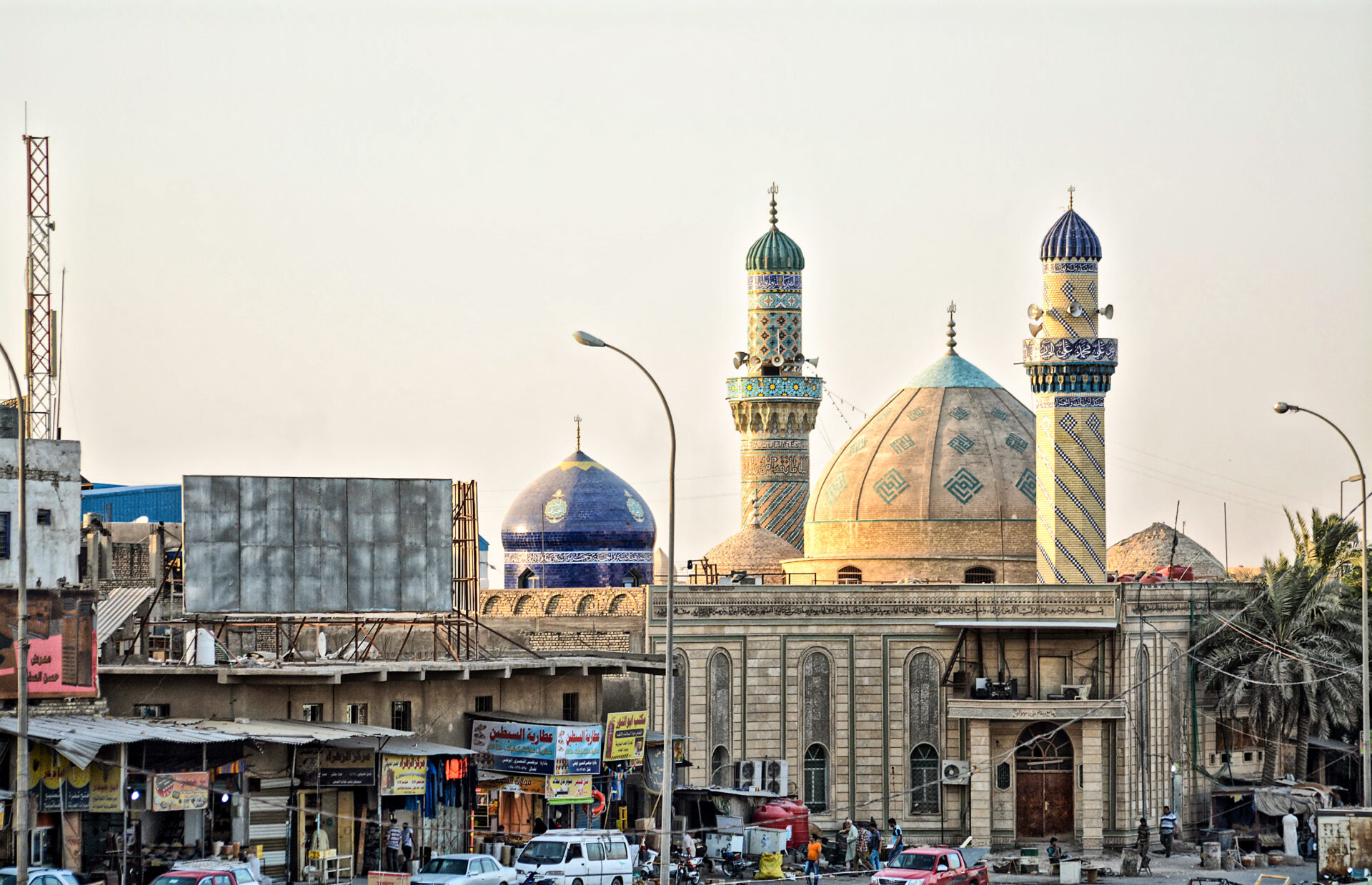
- Photo stop at the Al Farooq Omar Bin Al Khattab Mosque (outside view).
- The Shatt al-Arab, where the Tigris and Euphrates meet, a strategic waterway claimed by both Iraq and Iran.
- Old Basra: markets, schools, mosques and a synagogue from the 19th and early 20th centuries.
Day 3Basra – Mesopotamian Marshes – Ur – Nasiriyah
- Take a boat through the Mesopotamian Marshes, a World Heritage site since 2016, and see a Marsh Arab reed house built from reeds without any nails.
- Drive about 2 hours to Ur, a Sumerian city. See the Royal Cemetery, excavated 1922-1934, with over 1,800 graves including that of Queen Puabi.
- The Great Ziggurat of Ur, built about 4,100 years ago by King Ur-Nammu for Nanna, the moon god.
- Continue to Nasiriyah, founded in 1840 and the gateway to Iraq's wetlands.
Day 4Uruk – Najaf – Karbala
- Drive about 2 hours to Uruk, a city dating to around 4,500 BC that around 3,200 BC was the largest in the world, birthplace of writing and linked to the Epic of Gilgamesh, a World Heritage site since 2016. (Visits are not possible if it rains because of the access road.)
- In the afternoon go to Najaf, a holy Shia city, and see Wadi-us-Salaam, the world's largest cemetery with over 6 million graves.
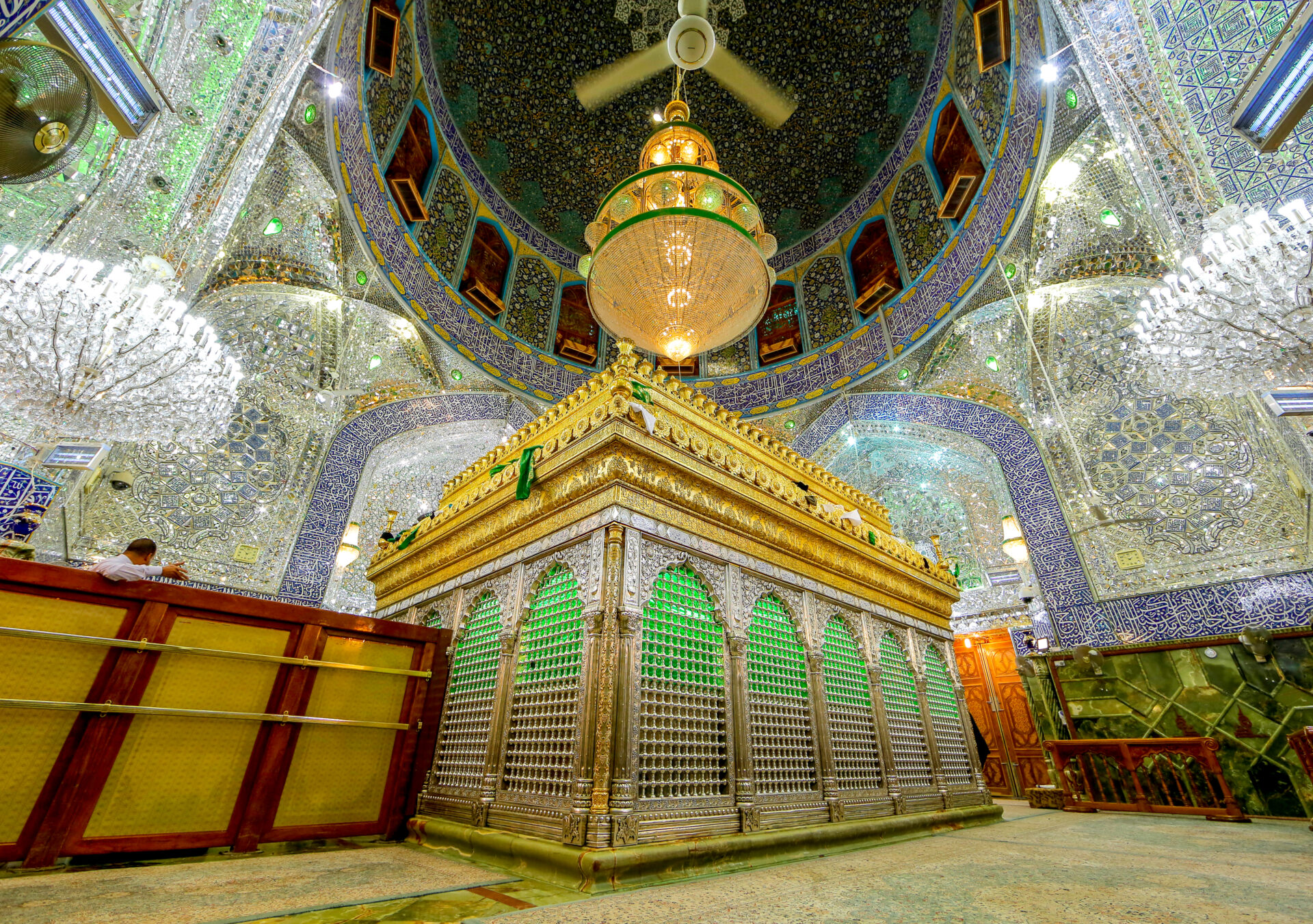
- The Imam Ali Shrine, the third holiest site for Shia Muslims, decorated with gold.
- Continue about 1.5 hours to Karbala, site of the Battle of Karbala in AD 680.
Day 5Karbala – Babylon – Baghdad
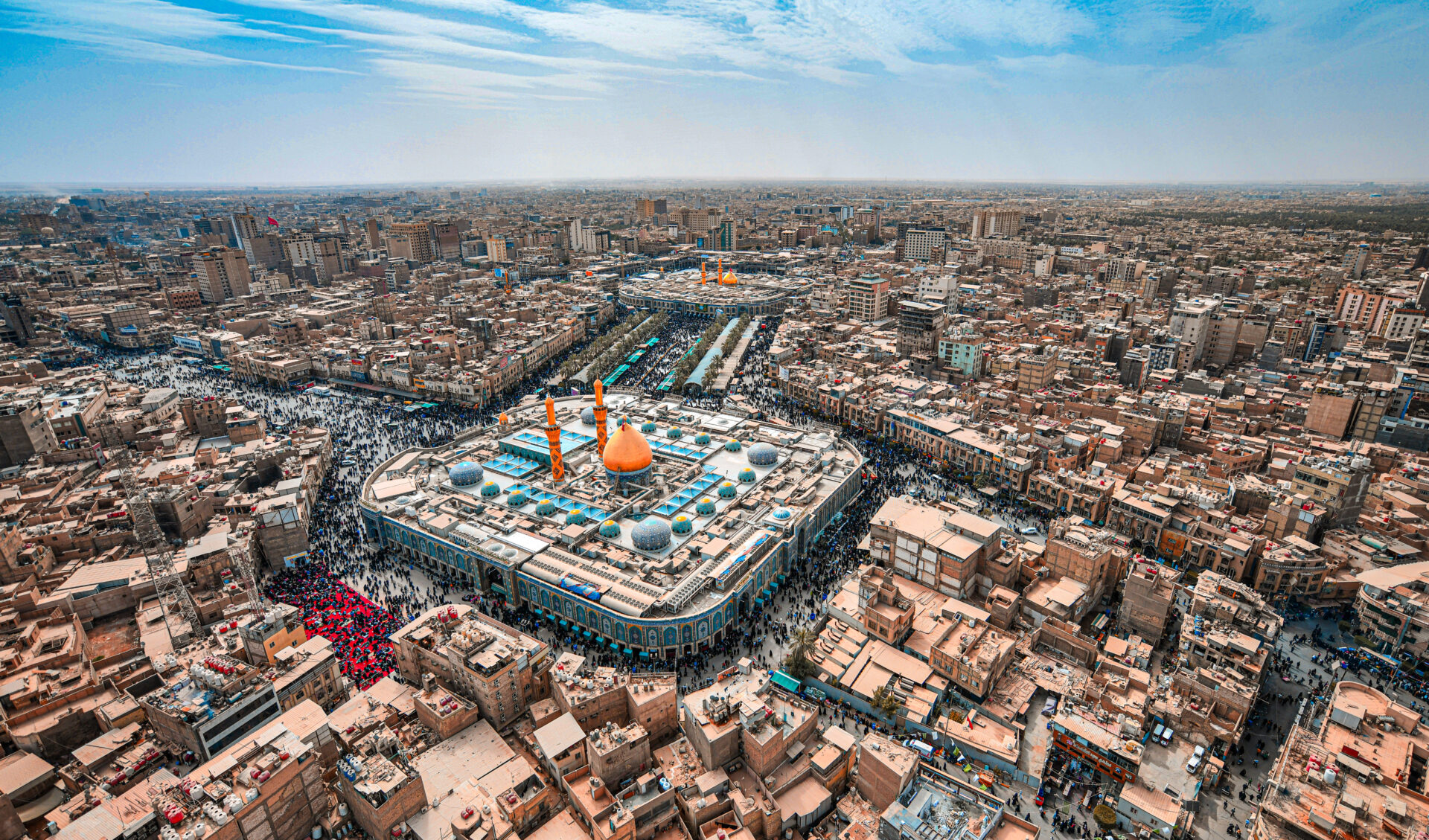
- The Holy Shrine of Imam Hussein, with its golden dome and the focus of the Arbaeen pilgrimage that draws more than 20 million people a year, and the Shrine of Abu Fadhl Al-Abbas about 400 metres away.
- In the afternoon drive about 1.5 hours to Babylon, a World Heritage site, city of Hammurabi and Nebuchadnezzar II, with the Ishtar Gate of about 569 BC and the Lion of Babylon.
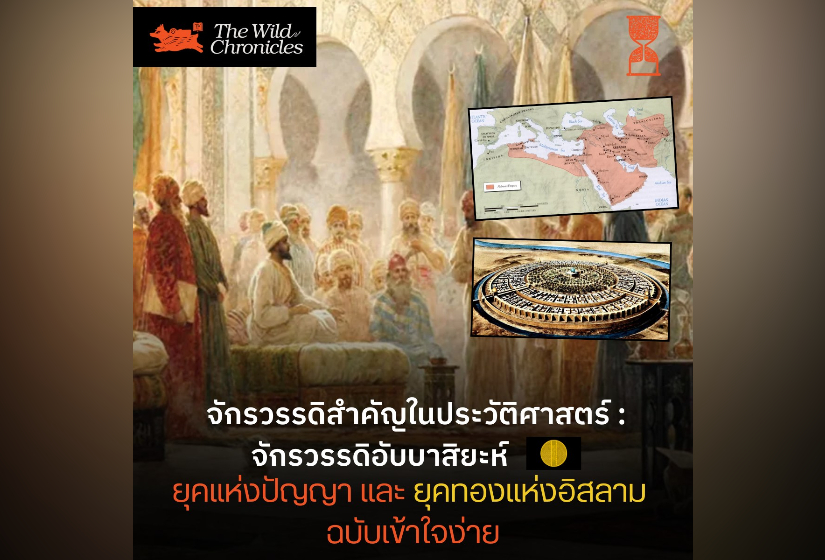
- Drive about 2 hours to Baghdad, founded in 762 by Caliph al-Mansur and a centre of learning in the Islamic Golden Age.
Day 6Baghdad: House of Wisdom, Museum and Ctesiphon
- The old market near the Qishla Quarter, with an Ottoman building of about 1861, and Mutanabbi Street, the street of booksellers.
- A Tigris river cruise past the Bayt al-Hikma (House of Wisdom), the Abbasid centre of learning (viewed from outside), and the Mustansiriyah Madrasah, founded in 1227.
- The Iraqi National Museum, founded in 1926, with the 5,000-year-old Mask of Warka. If the museum is under renovation, the Bab Baghdad Al-Wastany gate is visited instead.
- The Iraqi Martyr Monument with its turquoise split dome (viewed from outside if under construction).
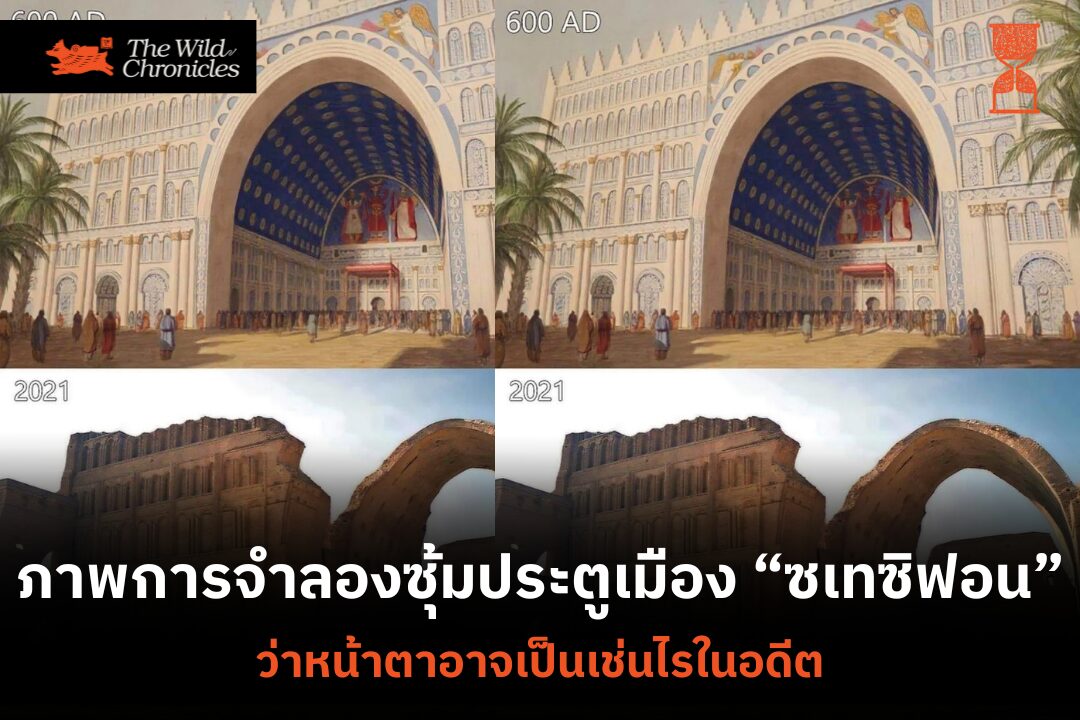
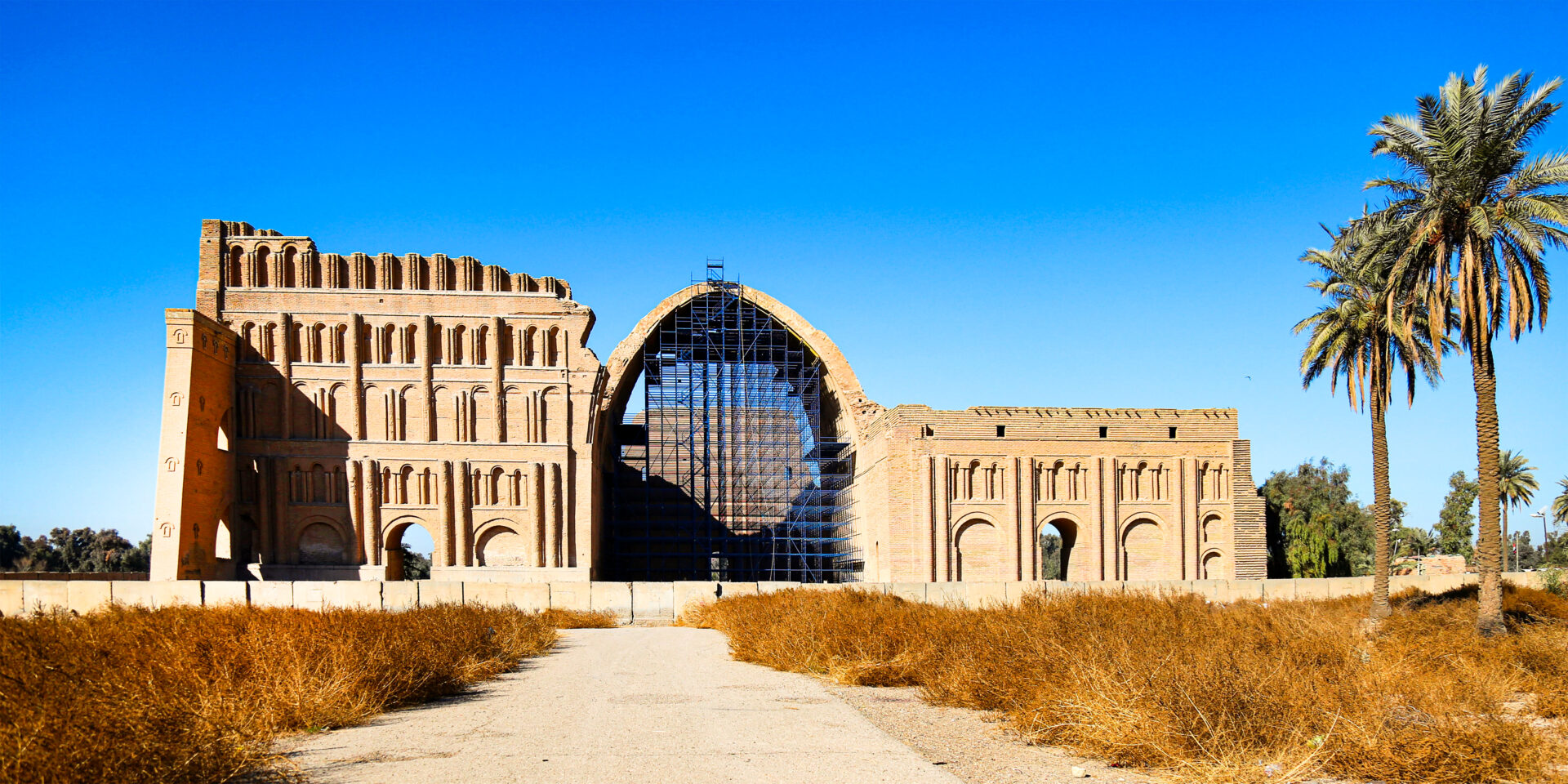
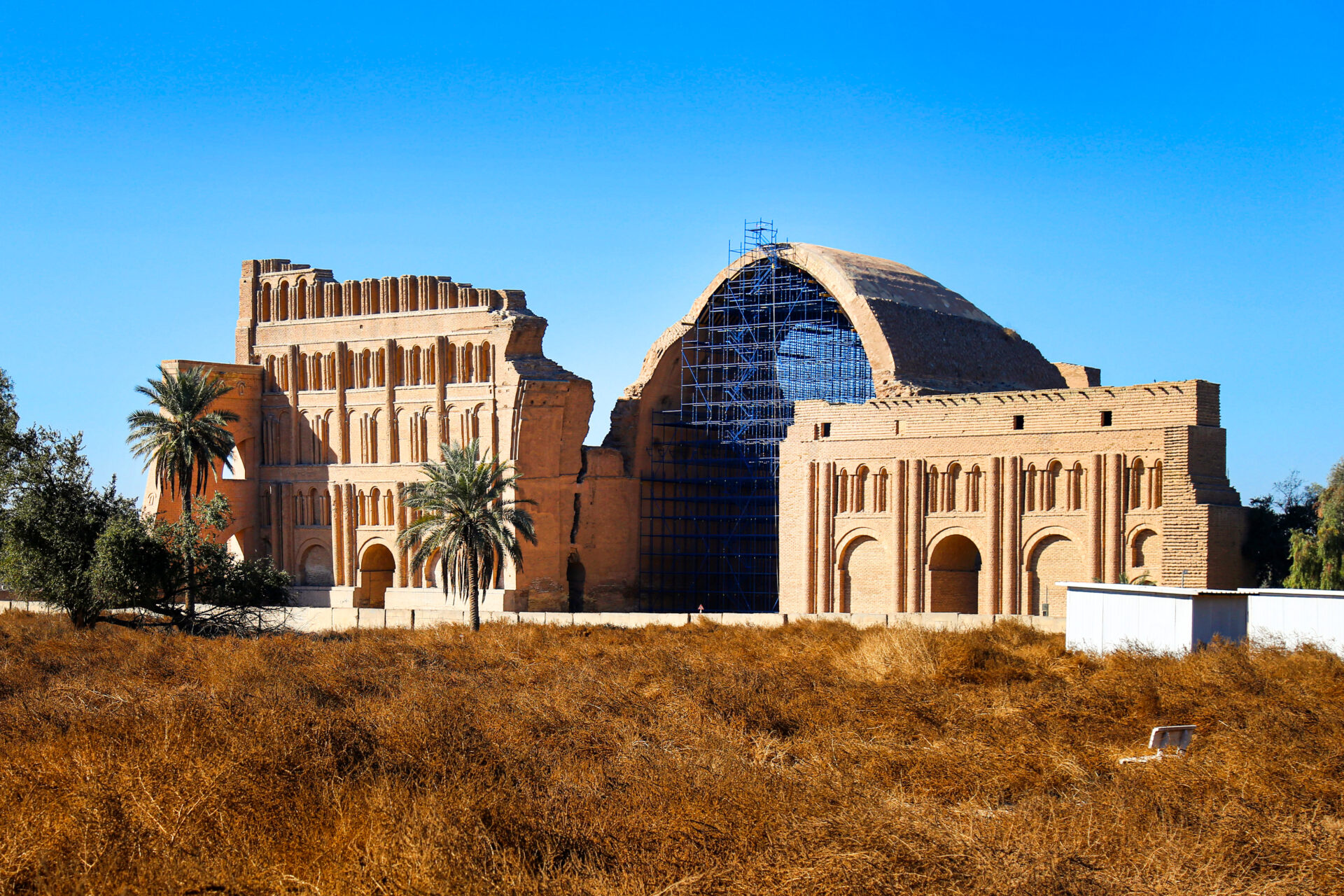
- Ctesiphon, capital of the Parthians and Sasanians, with Taq Kasra, the largest brick arch of the ancient world.
Day 7Baghdad – Samarra – Mosul
- Samarra: the Abbasid capital founded in 836, a World Heritage site since 2007 and the only Islamic capital that keeps its original city plan.
- Haram of Imam Ali al-Hadi, with a golden dome about 68 metres high.
- The Great Mosque of Samarra, built 848-852, and the spiral Al-Malwiya Tower, about 52 metres high.
- Abu Dulaf Minaret.
- Drive about 4 hours to Mosul, Iraq's second-largest city, over 2,500 years old, held by ISIS from 2014 until 2017 and now being restored under a UNESCO program.
Day 8Hatra – Ashur – Mosul
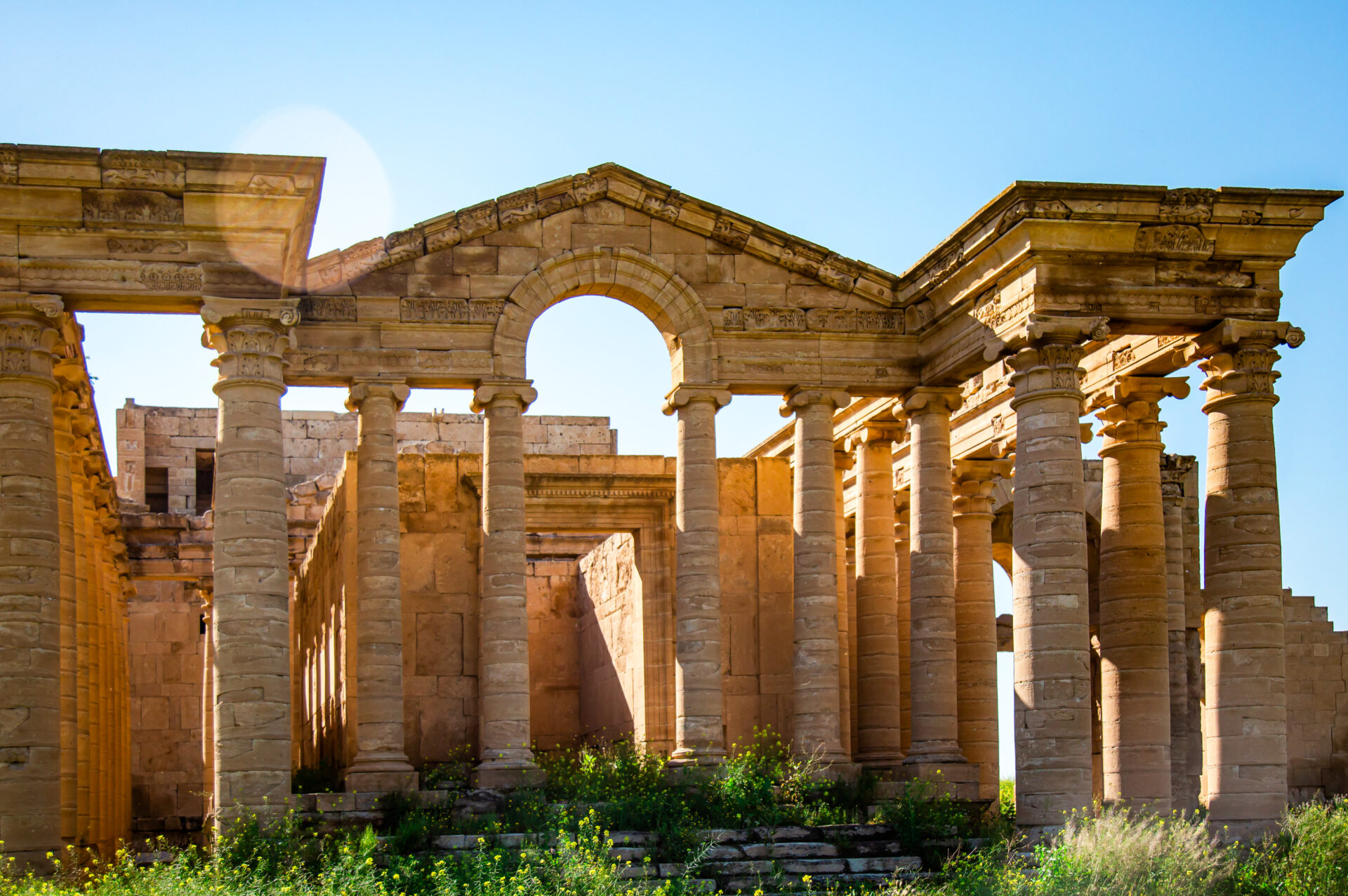
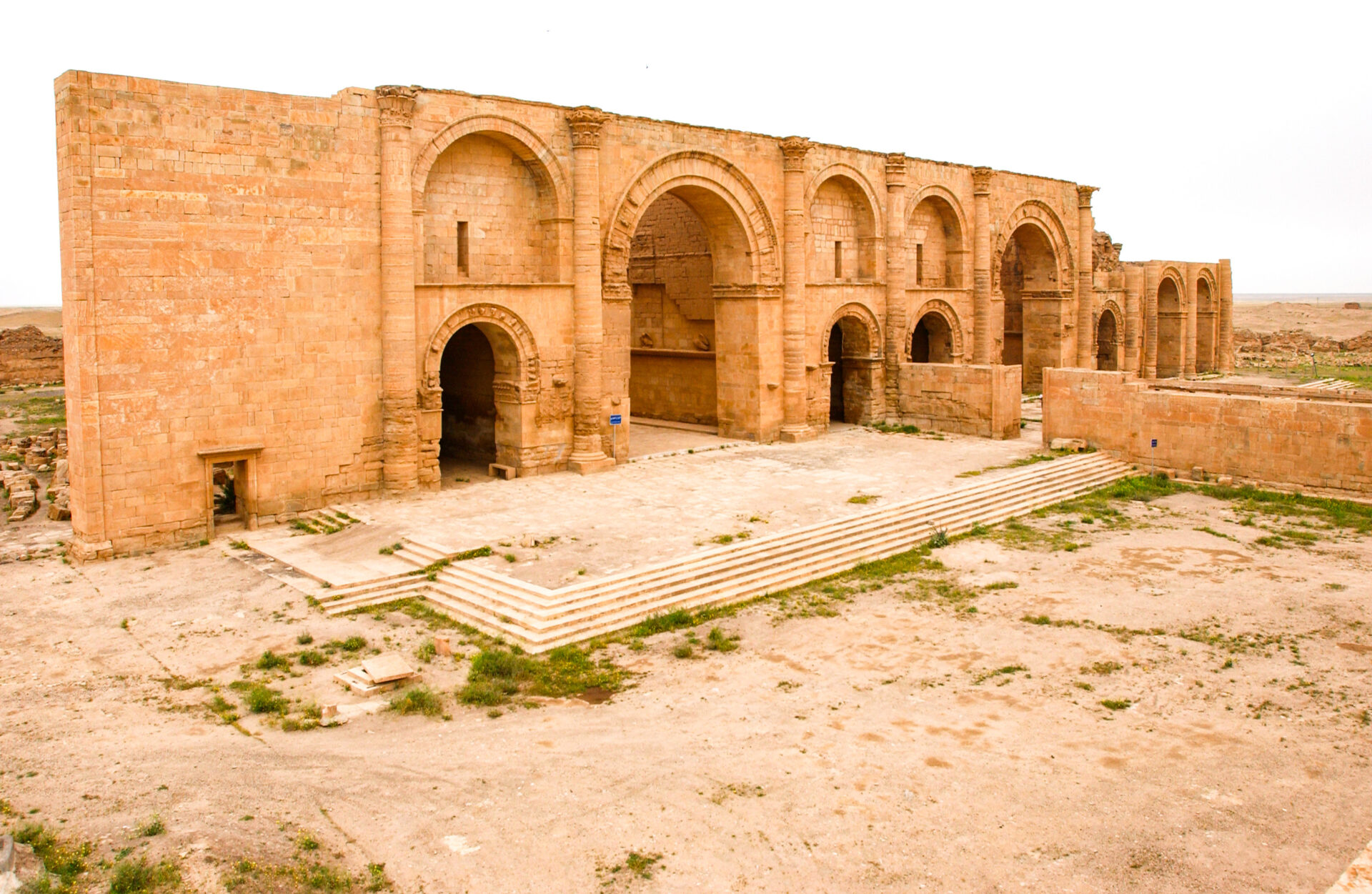
- Hatra: founded in the 3rd century BC, a semi-autonomous Arab city under Parthian influence that withstood sieges by the Roman emperors Trajan and Septimius Severus, a World Heritage site since 1985.
- Ashur: the first capital of the Assyrian empire, at its height between the 14th and 9th centuries BC.
- Return to Mosul, about 2 hours, with photo stops at the Shamash Gate of Nineveh and the Library of Ashurbanipal.
Day 9Nineveh – Mosul – Mor Mattai – Lalish – Duhok
- Nineveh archaeological site: capital of the Assyrian empire and the largest city in the world in the 7th century BC, with 12 km of walls and 15 gates.
- Sites in Mosul damaged by ISIS: Al-Nabi Yunus Mosque, the Great Mosque of al-Nuri (being rebuilt under UNESCO and reopened for prayer in February 2025) and Al Musfi Mosque (viewed from outside if under construction).
- Enter the Kurdistan Region. Visit Mor Mattai Monastery of the Syriac Orthodox Church, founded in AD 363, and the Gaugamela battlefield where Alexander defeated Darius III in 331 BC.
- Lalish, the holy valley of the Yazidis, with the tomb of Sheikh Adi ibn Musafir.
- Drive about 2 hours to Duhok.
Day 10Amedi – Erbil
- Amedi Viewpoint, overlooking the ancient town on a mountaintop about 1,200 metres up, often called a city in the sky, and Amedi itself with its 13th-century Mosul Gate from the time of Badr al-Din Lulu.
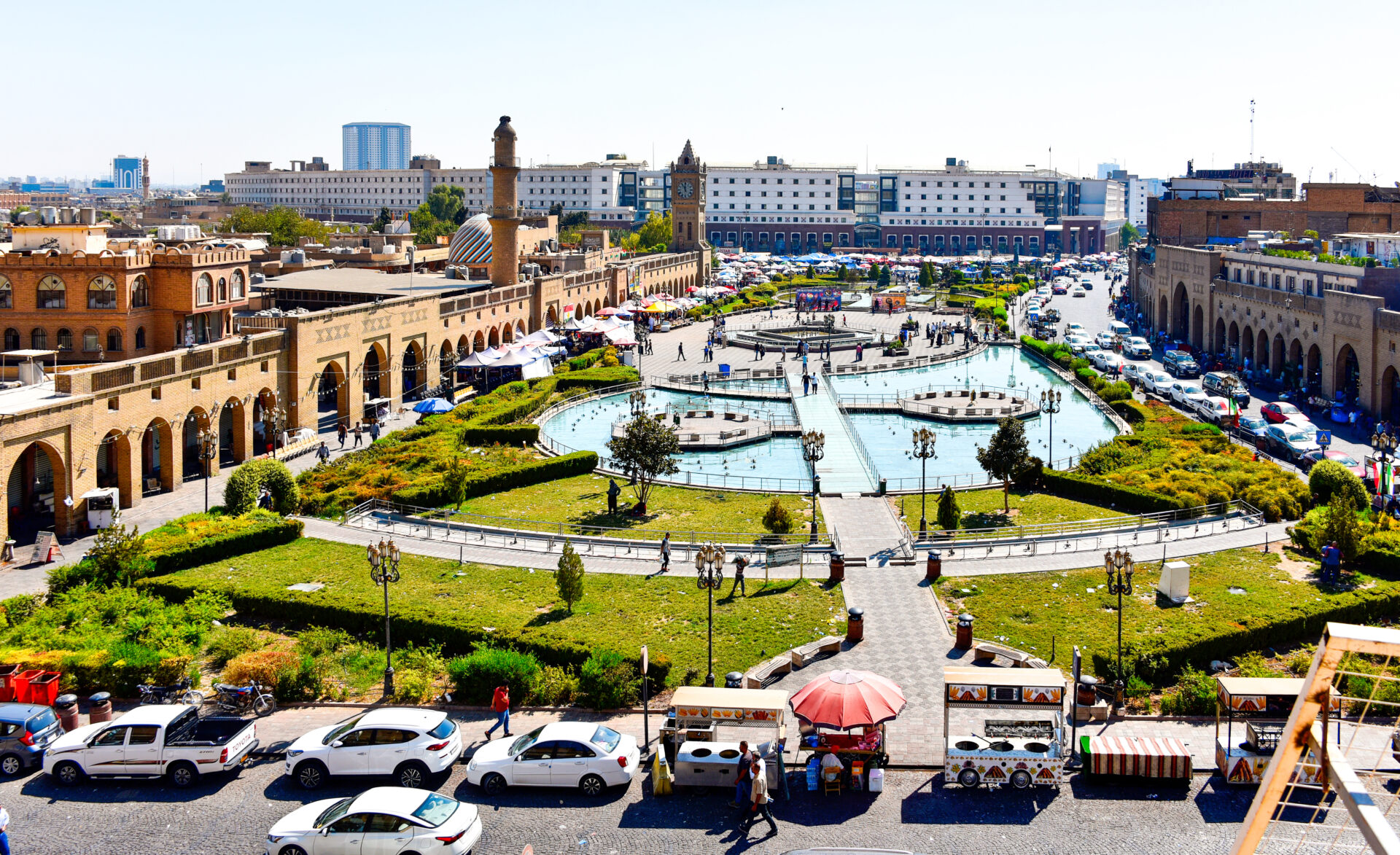
- Drive about 1.5 hours to Erbil, capital of Iraqi Kurdistan and one of the oldest cities in the world.
- Erbil Citadel, a World Heritage site since 2014 and more than 6,000 years old (viewed from outside if under construction).
- Shar Park and the Erbil Qaysari Bazaar, an old market near the citadel.
Day 11Erbil – Sharjah – Flight Home
- Go to Erbil International Airport (EBL) and check in at 09:00.
- 12:05: fly G9358 to Sharjah, arriving 15:40, with a layover of about 6 hours 35 minutes, meal on board.
- 22:15: fly to Bangkok on G9821, about 6 hours, dinner on board.
Day 12Arrival in Bangkok
Arrive safely at Suvarnabhumi Airport (BKK) at 07:05.
Included
- Round-trip international economy flights
- Baggage allowance on international economy flights under airline standards, checked and carry-on
- Transport and sightseeing with an experienced driver
- Accommodation as specified, two guests per room (request in advance if you need a three-bed room; some hotels may not have triple rooms)
- Entrance fees as specified in the program
- Meals as specified in the program
- Experienced local guide
- Thai lecturer and tour leader
- Entry visa fee (arranged by the company)
- Travel accident insurance (subject to the policy terms)
Not included
- Single room supplement (if staying alone): 18,000 baht per person
- Personal expenses such as telephone, internet, laundry, minibar, special meals or extra drinks outside the program, passport fees, excess baggage, seat reservations, medical costs for pre-existing conditions, personal portable oxygen cans, and lost luggage or valuables
- Tips for the tour leader, local guide and driver (recommended standard 100 USD per person)
- 7% VAT, 3% withholding tax and other legal taxes
- Fuel surcharges and airport taxes if the airline raises prices
About this tour
How much is the Iraq: The First of Us tour and are flights included?
Do I need an Iraq visa and who arranges it?
What deposit is required and when is the balance due?
What is the minimum group size?
What is the single supplement and what hotels are used?
How much are tips?
Who leads the Iraq tour?
Can I cancel and what are the terms?
Iraq: The First of Us
Interested? Message us on LINE — we reply fast