FILE Nº 0671 · Culture · DECLASSIFIED
Uzbekistan-Turkmenistan: Why Go to "Uzbekistan-Turkmenistan" with The Wild Chronicles
TL;DR — Did you know? Amid the dry steppes and deserts of Central Asia lies a land of mystery, conflict and unmatched beauty.
Did you know? Amid the dry steppes and deserts of Central Asia lie lands full of mystery, conflict and a beauty hard to compare with anything else: Uzbekistan and Turkmenistan.
This region is home to "Ashgabat", a city like a paradise built entirely of white marble. It also has the "Gates of Hell", a giant pit with a great fire that burns all the time, strange and terrifying to see.
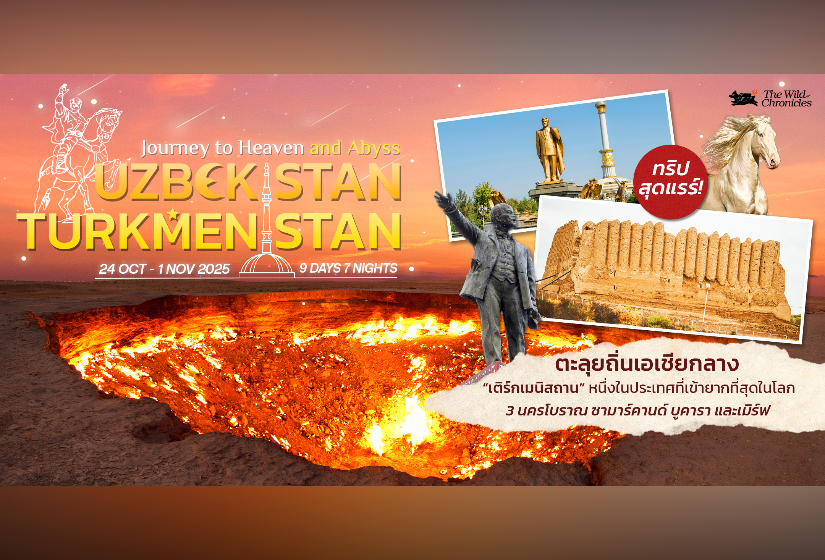
2025❗The Wild Chronicles invites you on a journey to "Uzbekistan-Turkmenistan" to experience the many historical stories of this land.
Besides what is mentioned above, you will have the adventure of visiting
🌇 "Registan Square", the famous and grand central square of Samarkand
🌠 "Ulugh Beg Observatory", an observatory built more than 600 years ago
🕌 "Turkmenbashi Ruhy Mosque", built in magnificent white marble
🌙 "Bibi-Khanym Mosque", one of the largest and most important mosques in the Islamic world
🐎 "The Hippodrome", showcasing the Akhal-Teke horse, the inspiration for Red Hare in the Romance of the Three Kingdoms
This trip is not a join-in group! We take you through history in full, with no quick peeks. What deserves a look, we stay longer to see; what is off the normal route but worth experiencing, we take you to feel. Especially for lovers of adventure and those passionate about history and breathtaking scenery, it is not to be missed in any way!!
Let's look at the details of why you should go to... "Uzbekistan-Turkmenistan", an adventure route to the heaven 🪽 and hell 🔥 of Central Asia, with The Wild Chronicles
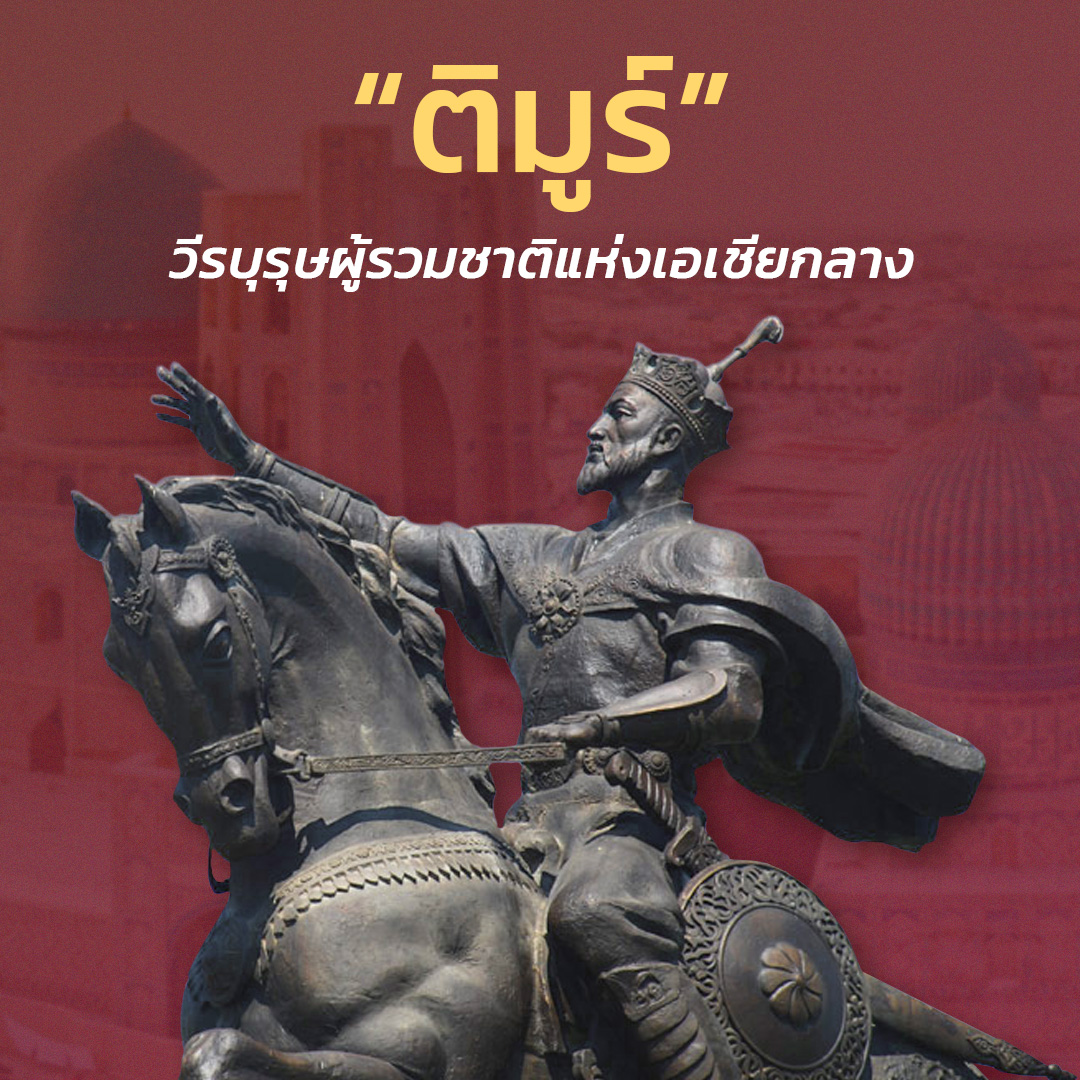
Uzbekistan is home to many ancient cities that once flourished on the Silk Road. One of them is "Samarkand", which was the center of the Timurid Empire, the most influential kingdom in Central Asia after the fall of the Mongol Empire.
The founder of this empire was "Timur", a man both great and brutal. Every land he conquered was soaked in blood, with bodies piled into mountains and cities leveled behind him.
Yet he made "Samarkand" into a great city of Islamic art, full of blue domes, tall towers and geometric patterns, all of which survive to the present day.
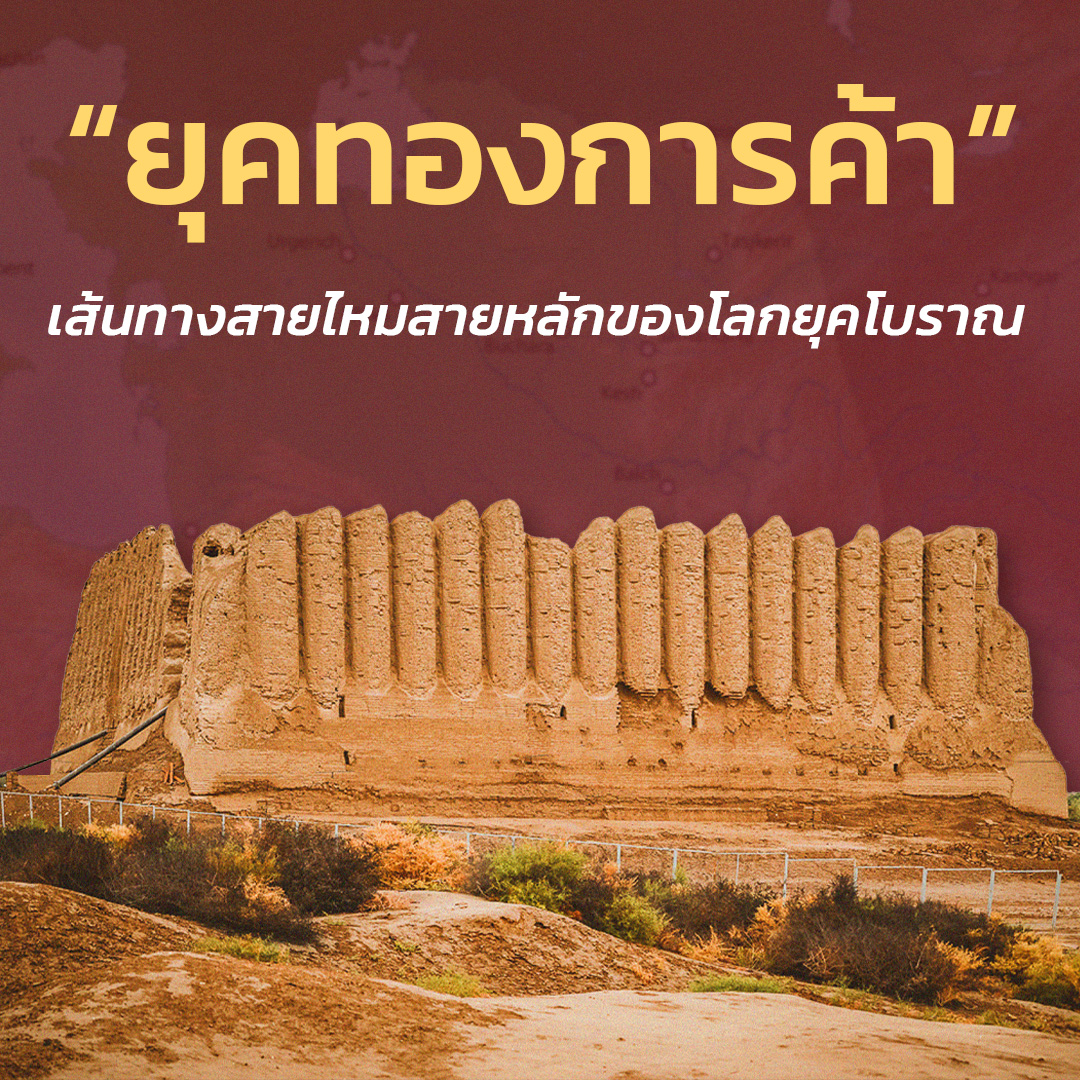
The Silk Road in Uzbekistan and Turkmenistan was one of the "main Silk Road routes" of the ancient world, along which merchant caravans from many lands traveled to carry goods to the West.
On both sides of this route, many important cities arose, including "Merv", "Bukhara" and "Samarkand", cities that were once the heart of Central Asian civilization and a point of exchange for silk, spices, knowledge and religion.
The Silk Road flourished for centuries before gradually declining when people succeeded in carrying goods by sea routes, leaving only the ruins of ancient cities that show this land once flourished.
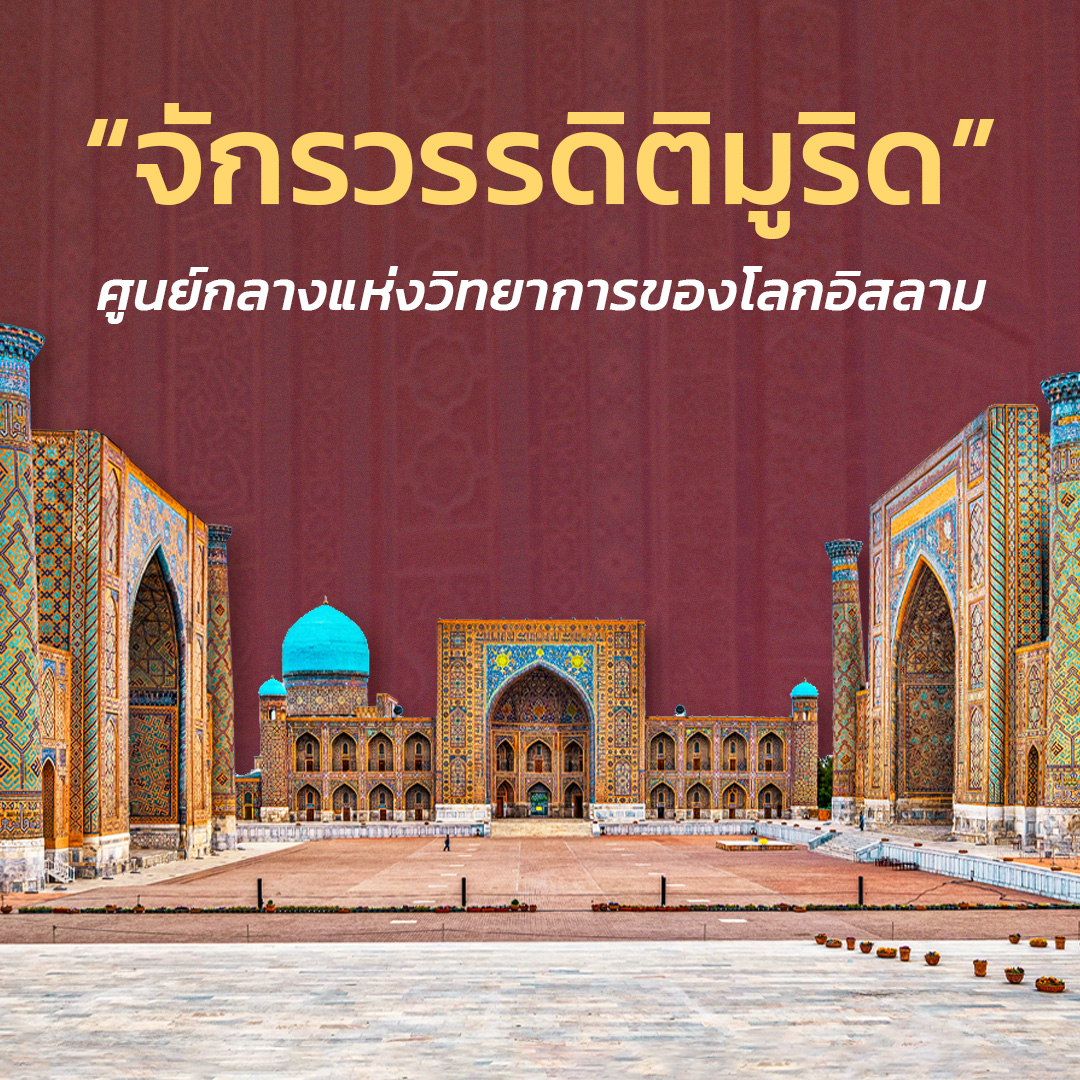
During Europe's Dark Ages, under the domination of the Church and holy wars, this land flourished and was once home to "the library of the ancient world".
The Timurid Empire made the cities of "Samarkand" and "Bukhara" into centers of learning of the Islamic world. This was the home of Ulugh Beg, Timur's grandson, who was more passionate about astronomy than power.
He built both an observatory, the most accurate in the world of its time, and a library collecting nearly 40,000 books.
The works of Aristotle, Socrates and Al-Farabi were kept together here, and Persian and Greek texts were translated into Arabic and distributed across the Muslim world.
But when Ulugh Beg was killed by his own son, owing to conflict over religion and power, things were destroyed and the library was burned to the ground, leaving only broken bricks and traces showing that this land once had one of the most precious civilizations of knowledge in the world.
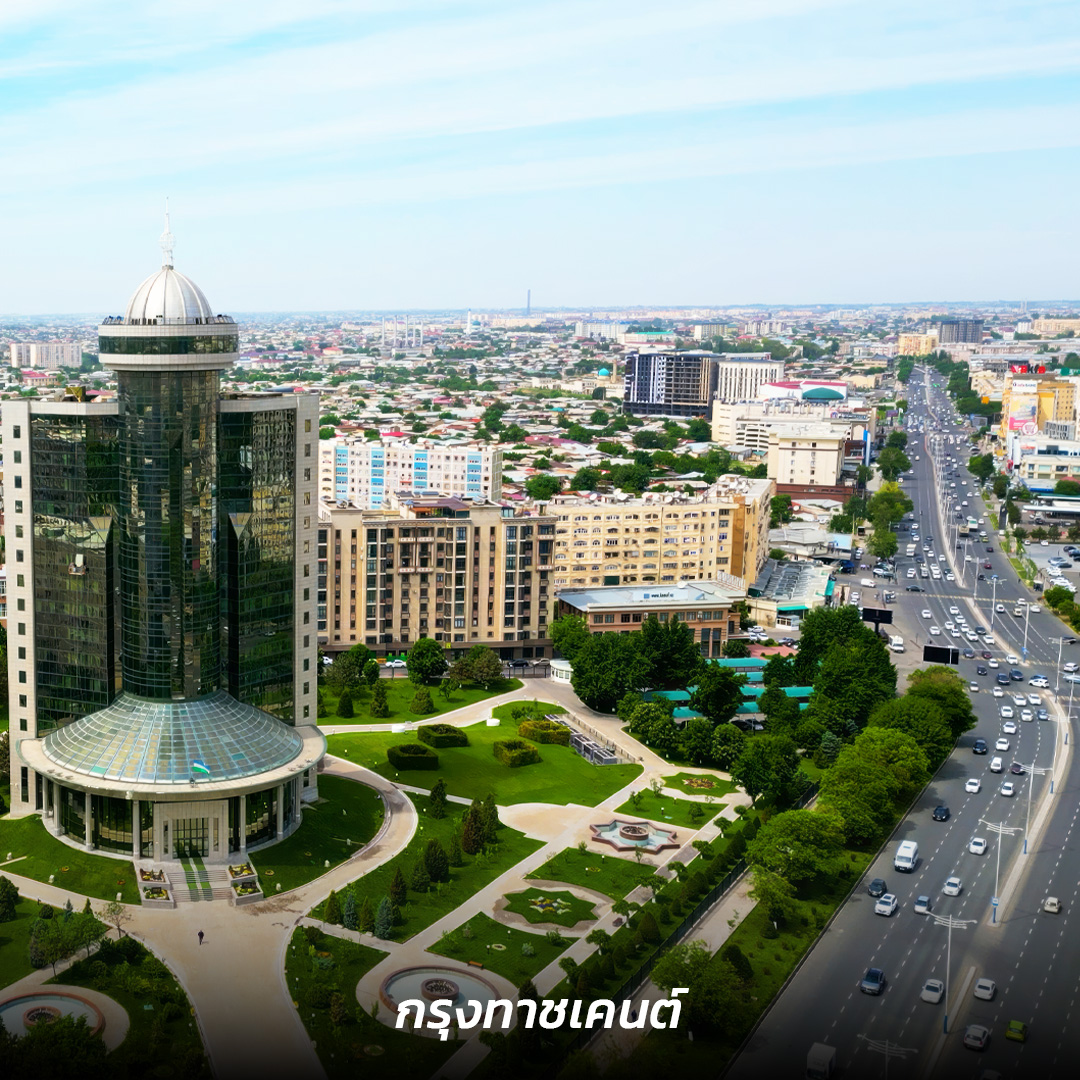
The journey begins in "Tashkent", the ancient and important capital of Uzbekistan. Tashkent has a history of thousands of years and was once an important rest stop on the Silk Road.
The name "Tashkent" means "city of stone" in Turkic, reflecting its original landscape surrounded by rocky hills and mountains.
In the 19th century the city was incorporated into the Russian Empire, and later became the capital of the "Uzbek Soviet Socialist Republic" (Uzbek SSR) under the Soviet Union.
After the collapse of the Soviet Union in 1991, Tashkent was made the capital of the "Republic of Uzbekistan" and has remained the country's political, economic and cultural center to the present day.
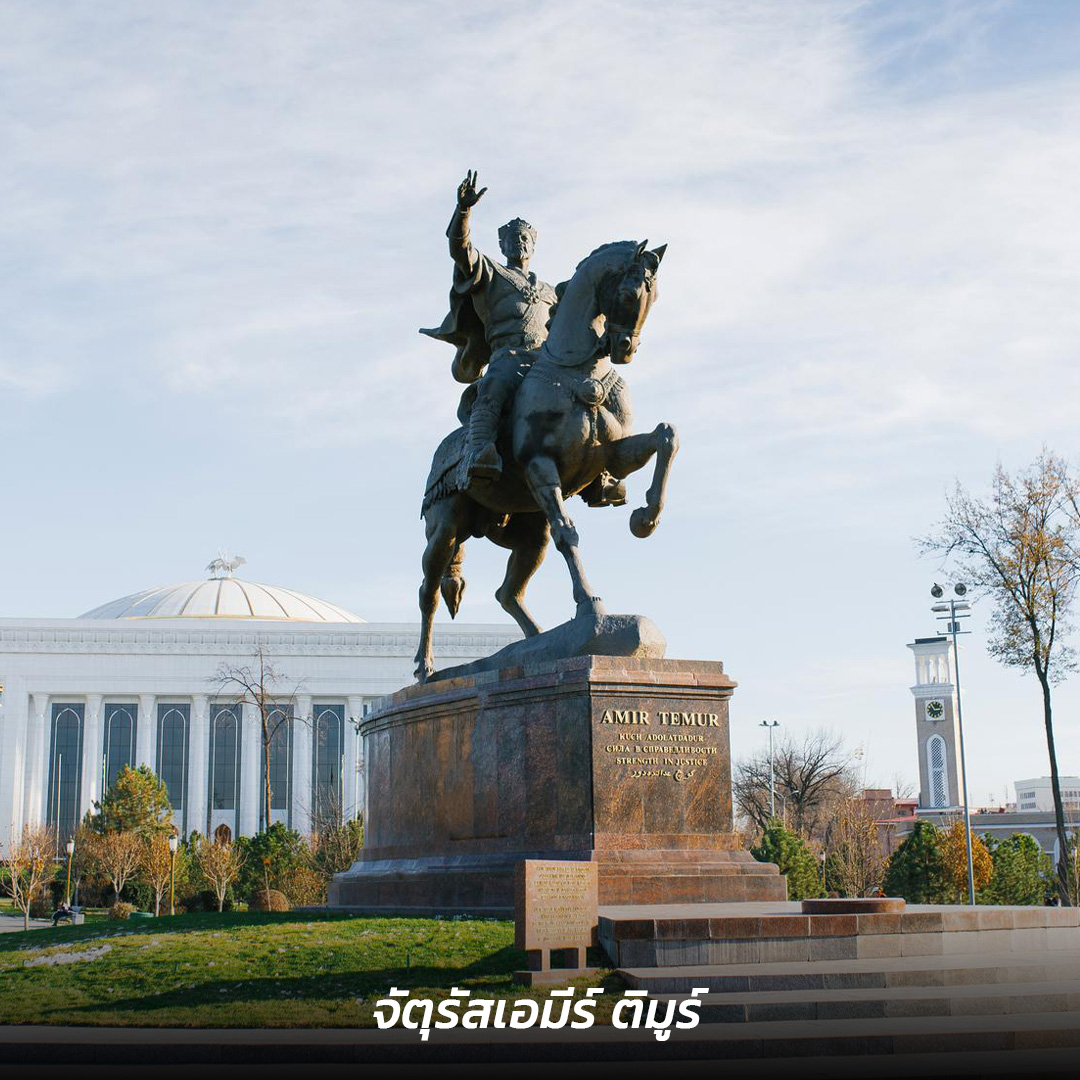
Visit "Amir Temur Square", a square in the center of Tashkent named after
Amir Temur or Timur, the great ruler of Central Asia who founded the mighty Timurid Empire.
The square has existed since the 19th century, when Tashkent was the command center of "Turkestan" under the Russian Empire.
Today Timur Square is a modest park in the city center, with a monument of the great ruler on horseback standing in the middle of the plaza, surrounded by schools, banks and government buildings, reflecting both the history and the changes of this capital, which has been quite heavily influenced by Russia.
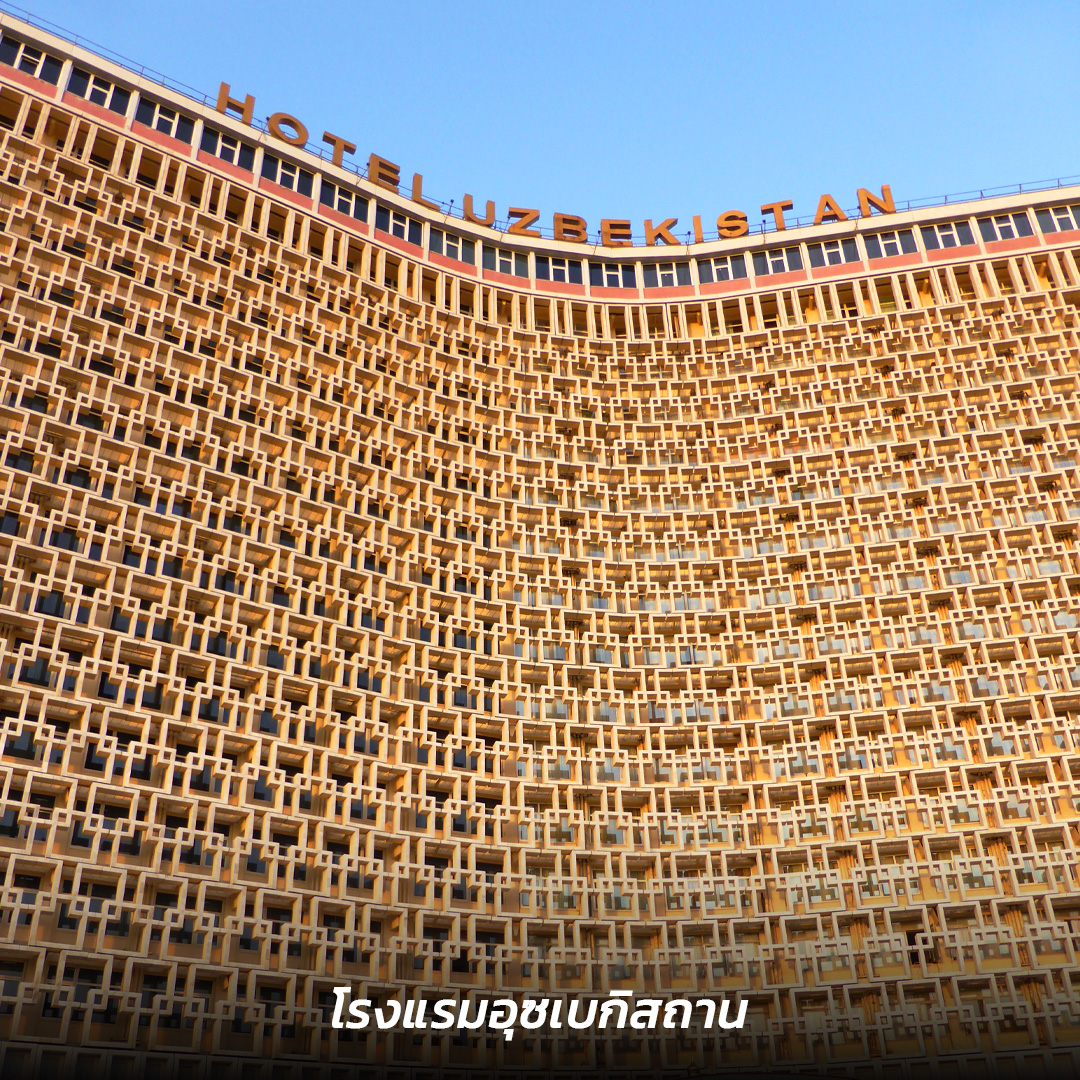
See the "Uzbekistan Hotel", a hotel with a distinctive Soviet-style design. The hotel is built in the shape of a book, was built in 1974, and is one of the most famous hotels in Uzbekistan.
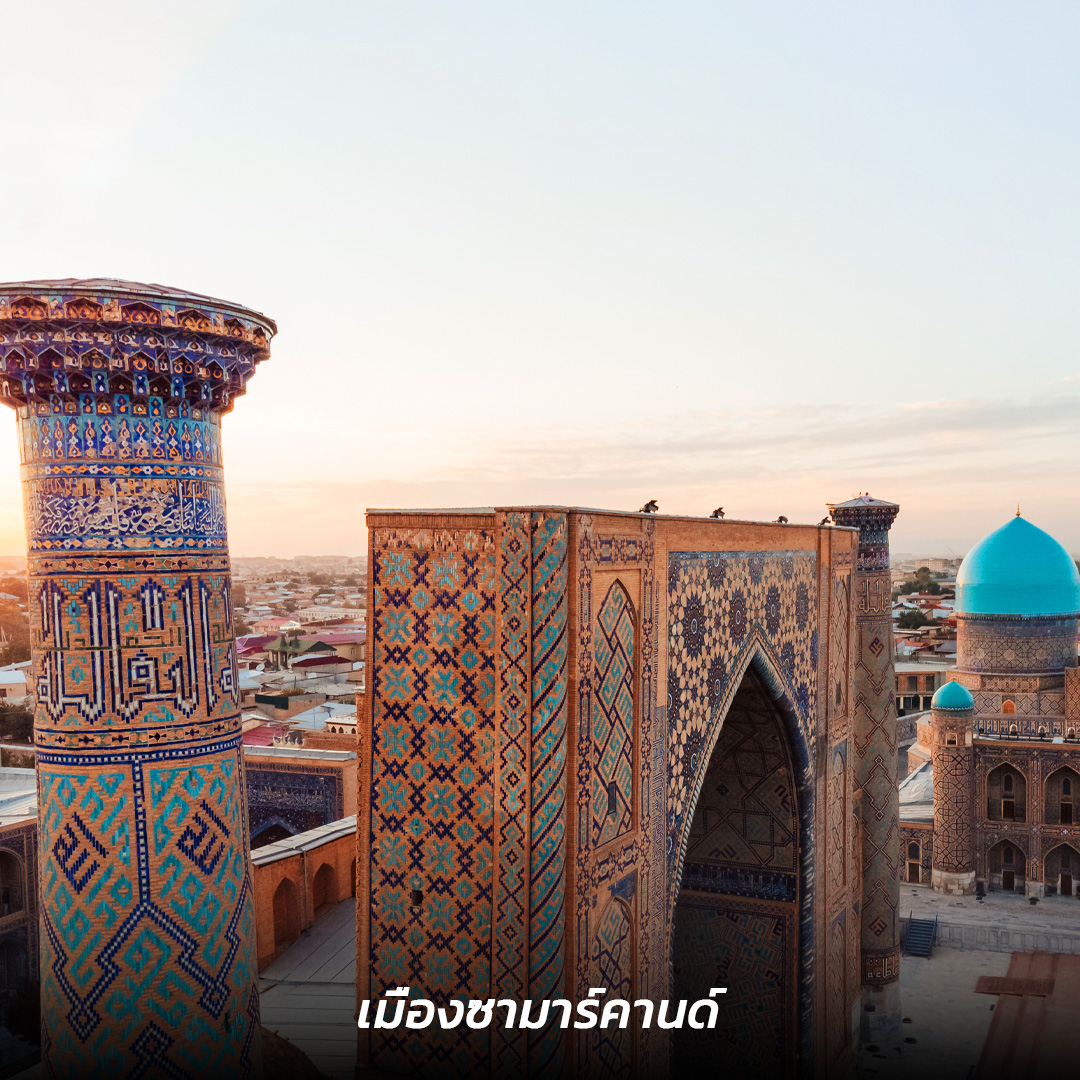
Travel to "Samarkand". Samarkand is one of the oldest and most historically important cities in Central Asia, because it was a center of the civilizations along the Silk Road, making it a "center of power of the world". The city is also a UNESCO World Heritage city.
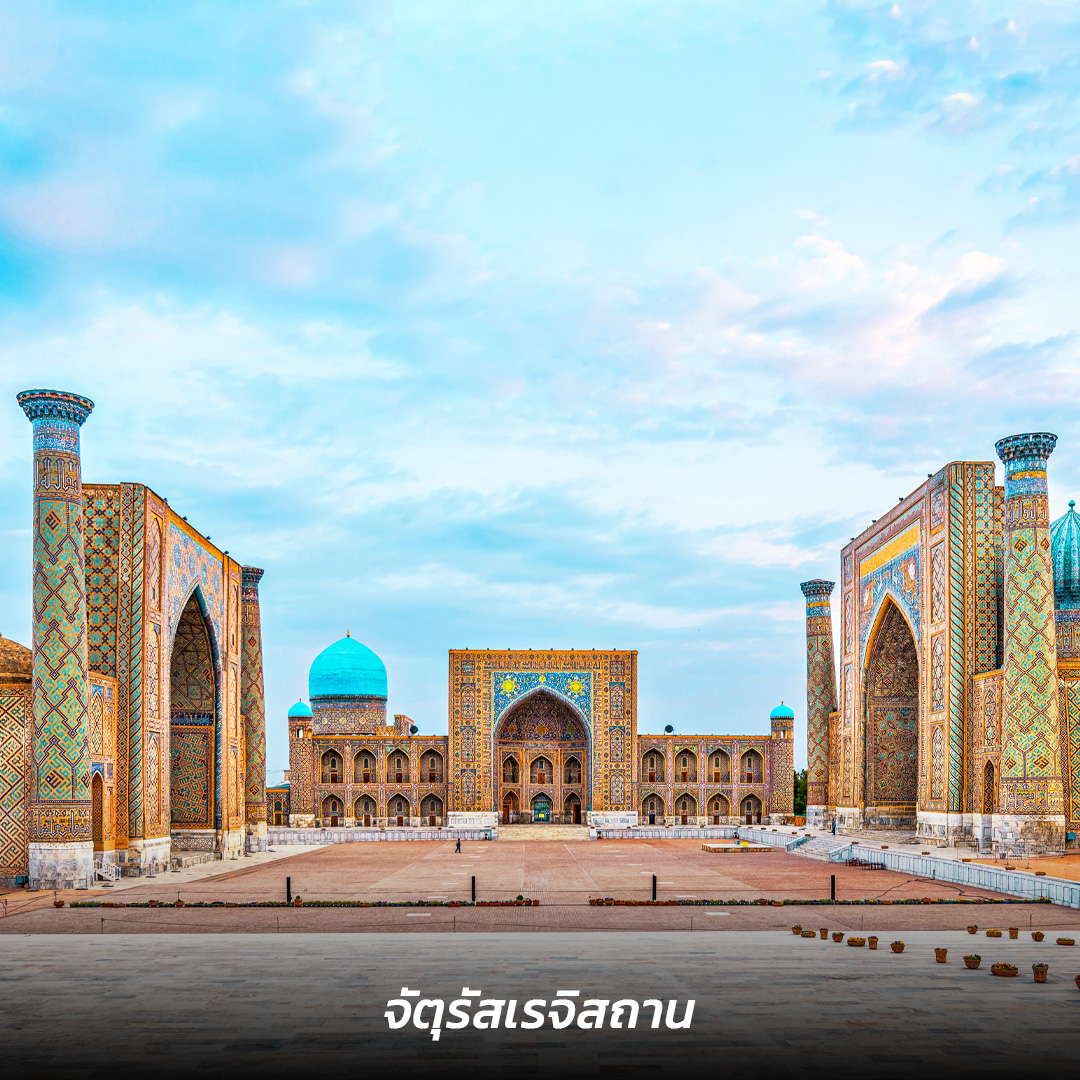
Visit the beautiful and grand "Registan Square". The square is decorated with blue glazed tiles edged in yellow, surrounded by 3 madrasahs, and the key highlight is the Ulugh Beg Madrasah, of great value in history, science and architecture.
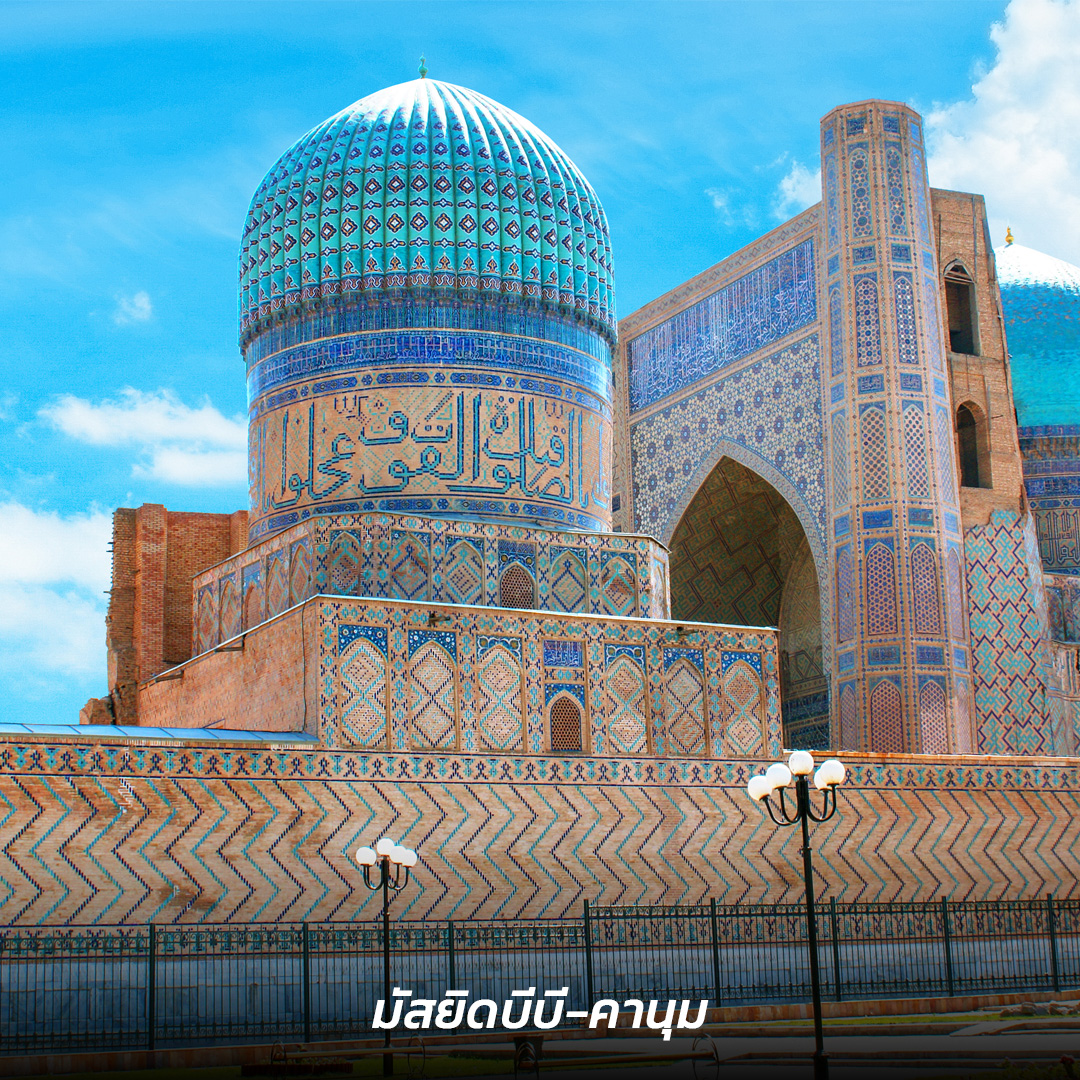
See the "Bibi-Khanym Mosque", one of the largest and most important mosques in the Islamic world, built between 1399 and 1404 on the order of Amir Timur after his invasion of India as a symbol of the greatness of the Timurid Empire.
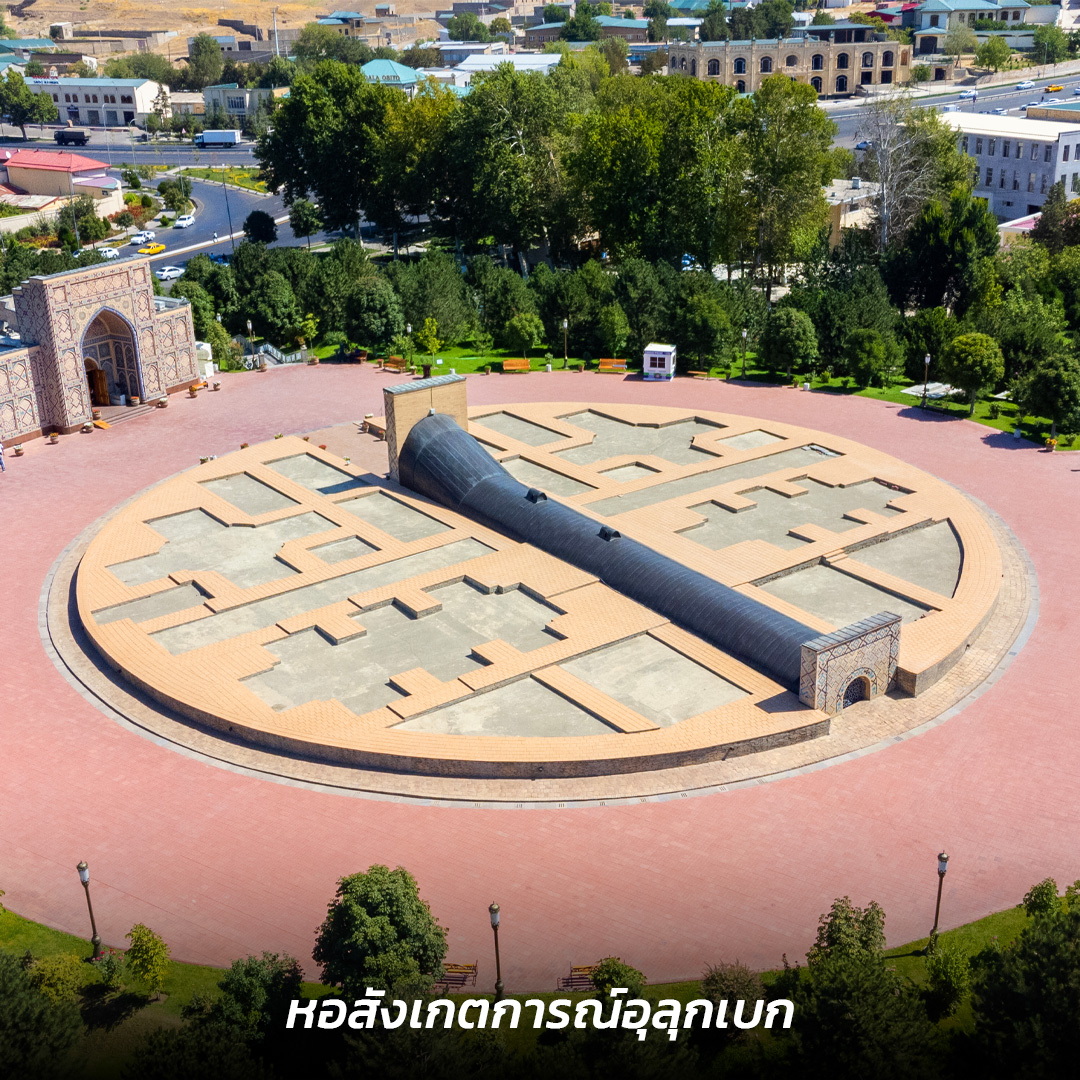
Visit the "Observatory of Ulugh Beg", the astronomical observatory of Samarkand built in 1420. The Ulugh Beg Observatory is regarded as one of the most advanced astronomical structures of the medieval world, because it was the most accurate observatory in the world of its time and a symbol of the scientific flourishing of the Muslim world.
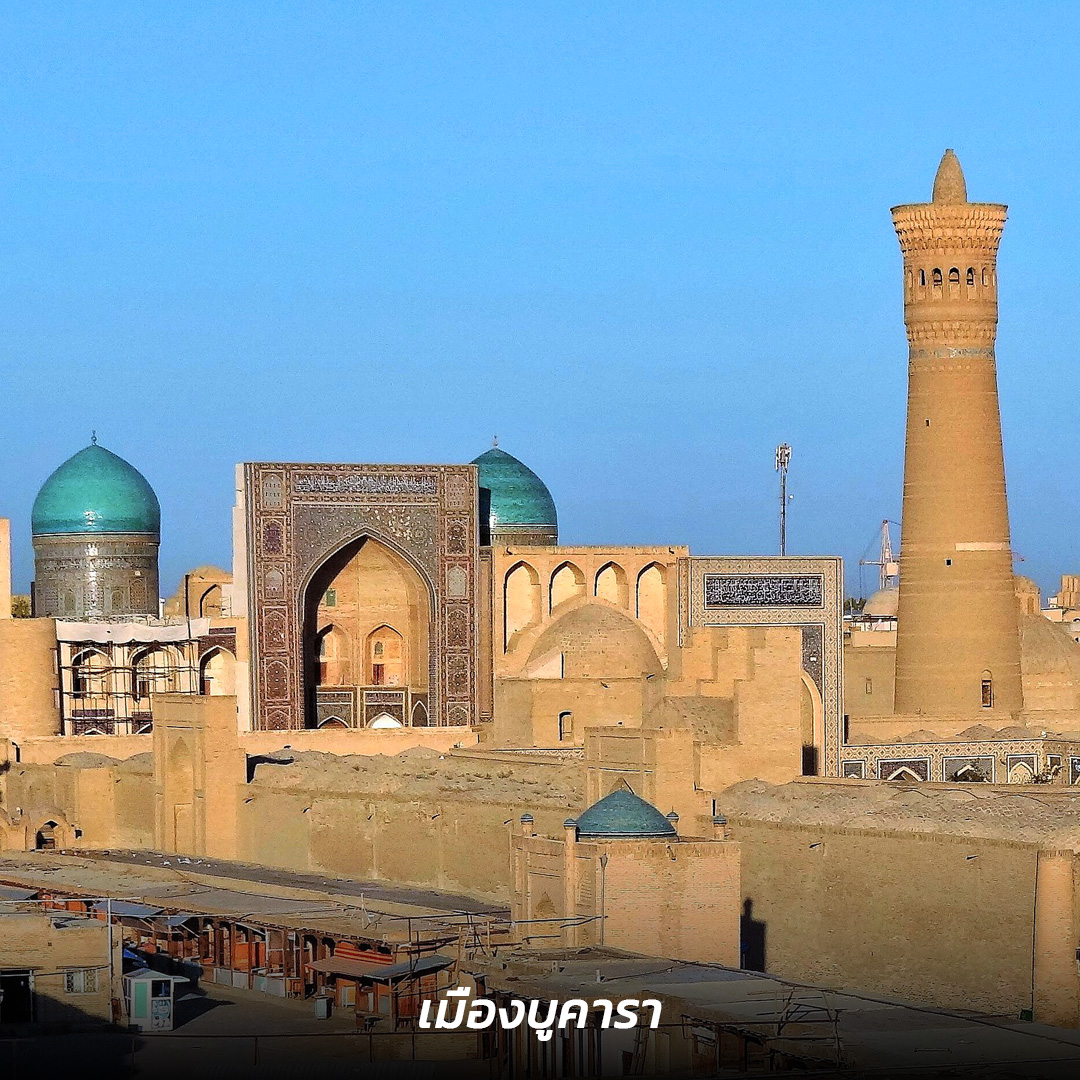
Travel to "Bukhara", one of the best-preserved historic Silk Road cities in Central Asia. The city is a UNESCO World Heritage Site together with several key sites in the city center, reflecting Bukhara's prosperity as a "center of power of the world" and a leading metropolis of the world, just like Samarkand.
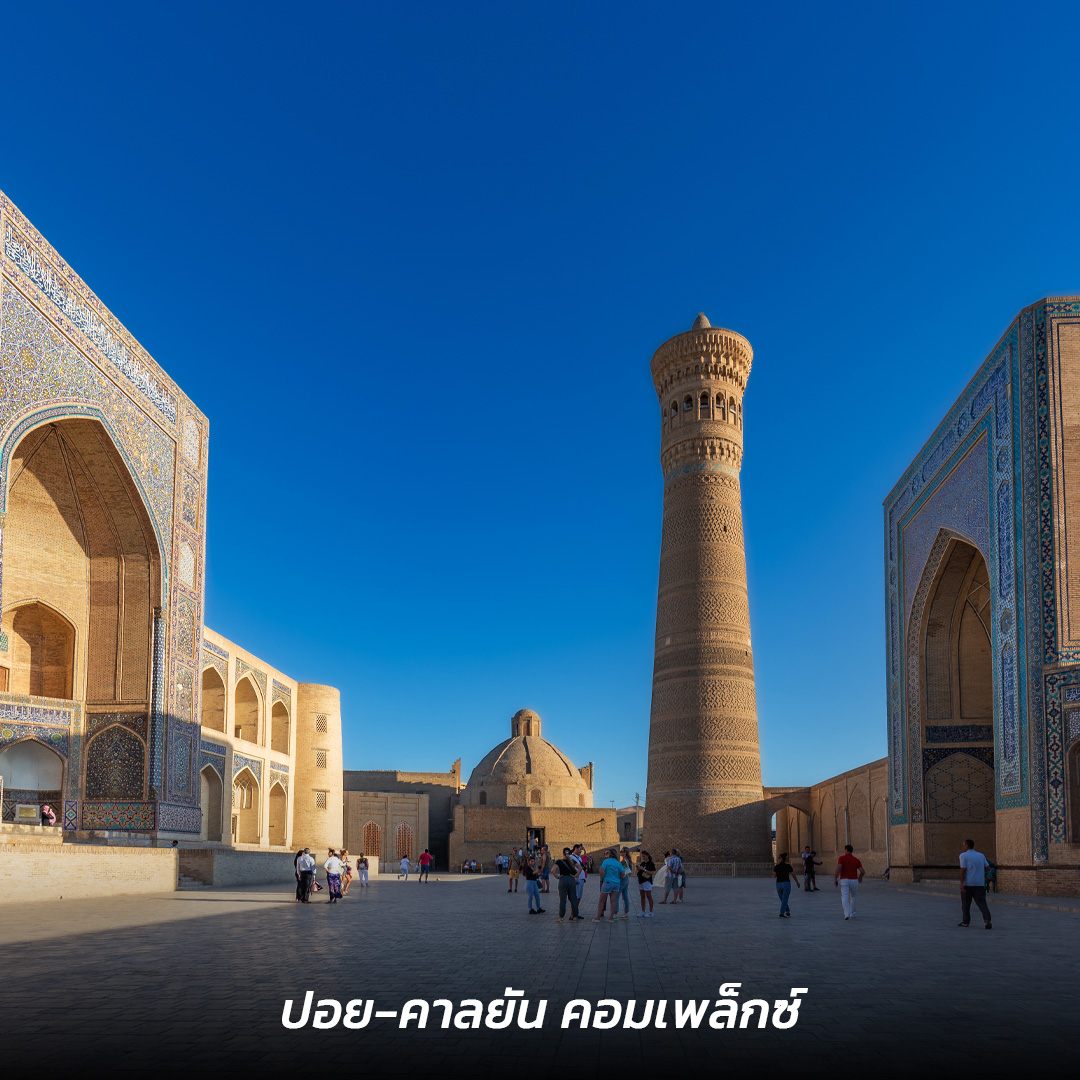
Visit the "Poi-Kalyan Complex", a complex of 3 important buildings built in the 12th-16th centuries. The complex stands in the center of Bukhara and is decorated with blue tiles. It is said that ceramics were first used in construction here, and later ceramics became widely used in Central Asia.
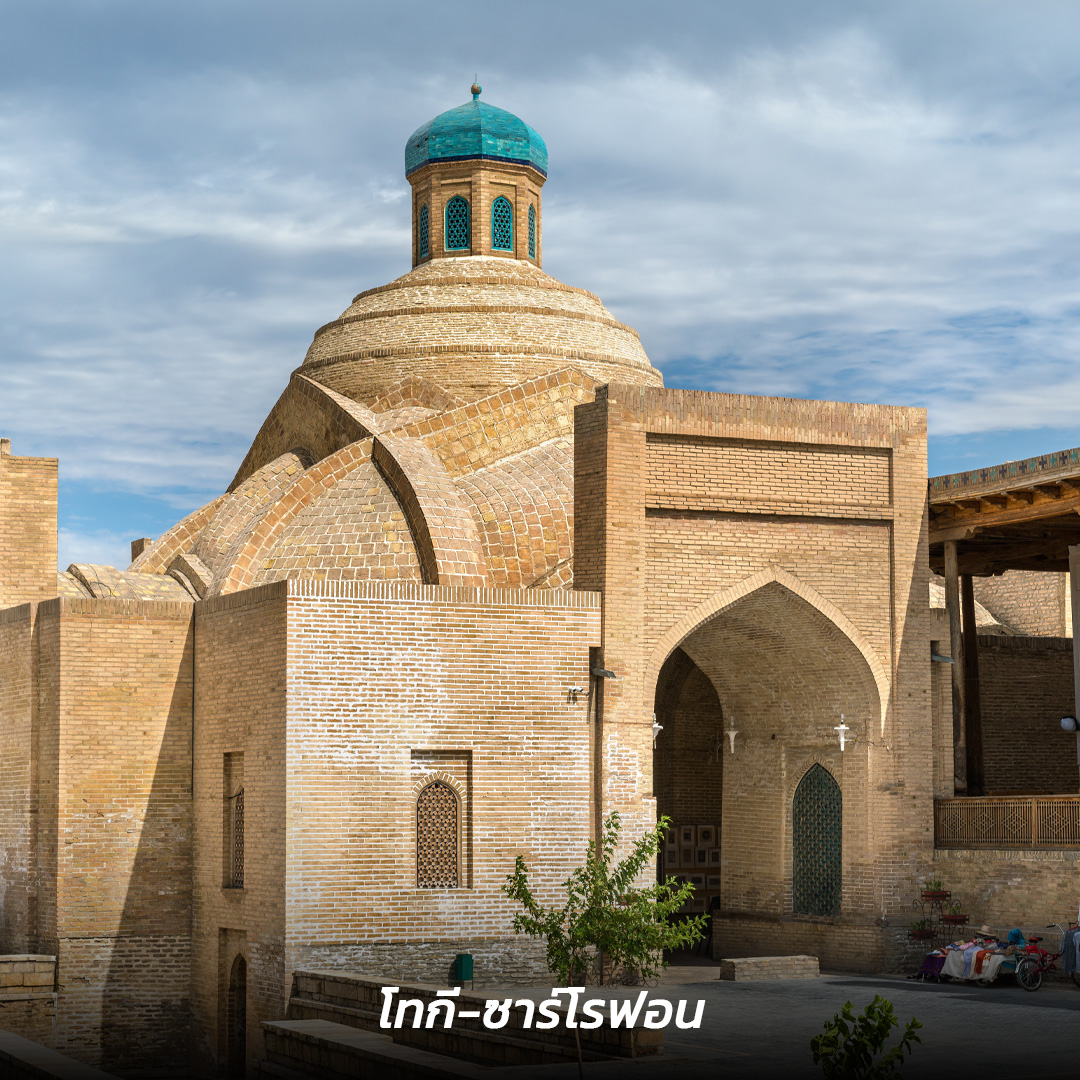
Tour "Toki-Sarrofon", one of Bukhara's important old trading domes. This trading dome was once a place for exchanging currencies from all over Central Asia, China, India, Persia and the Arab world, which is why it is called "Toki-Sarrofon", or the money-changers' dome.
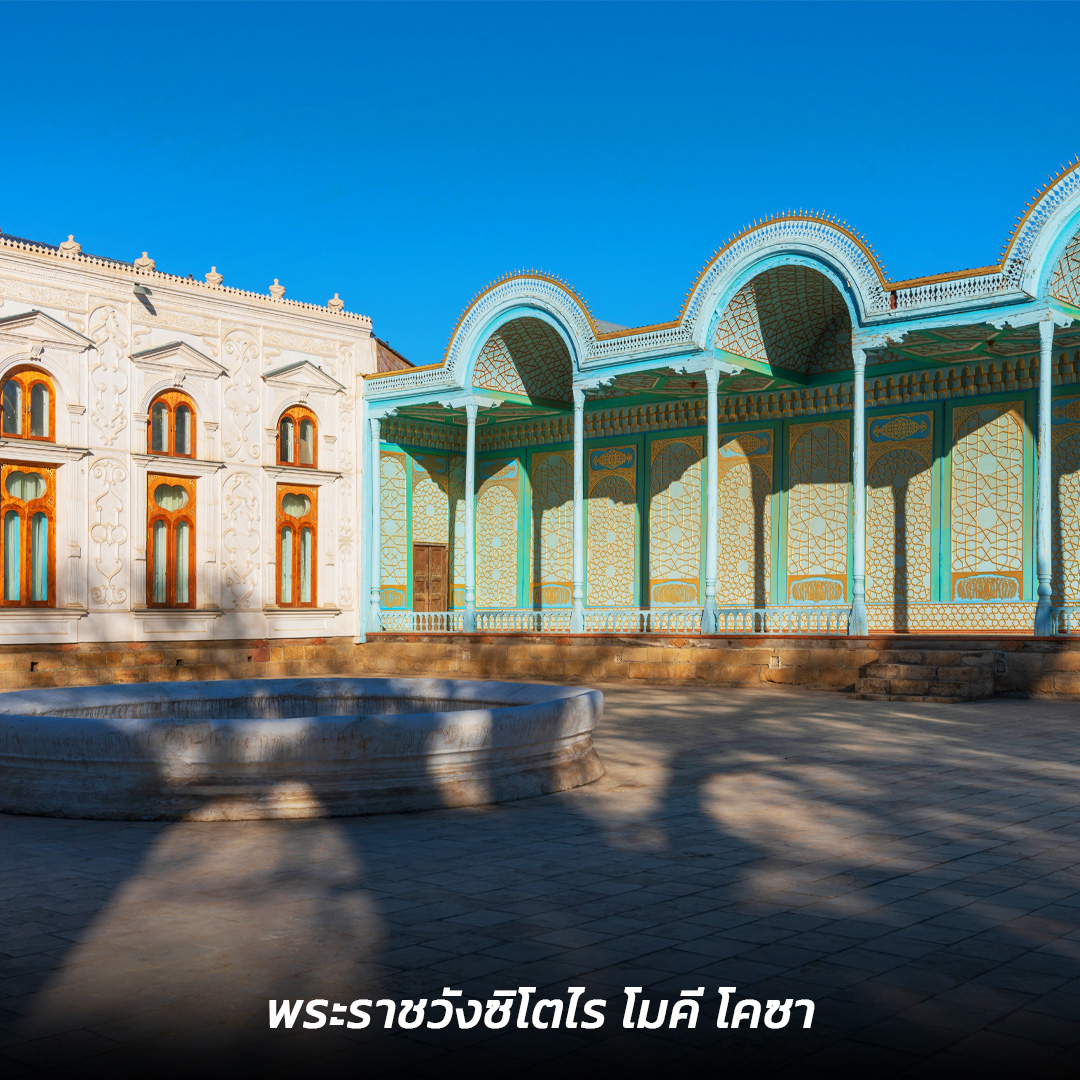
Visit the "Sitorai Mokhi-Khosa Palace", the summer palace of the "Emir of Bukhara", ruler of the Emirate of Bukhara. The palace is historically important because it was built in an era when the influence of the Russian Empire was beginning to spread into Central Asia, so its architecture reflects a blend of Eastern Persian-Uzbek art and Western Russian art.
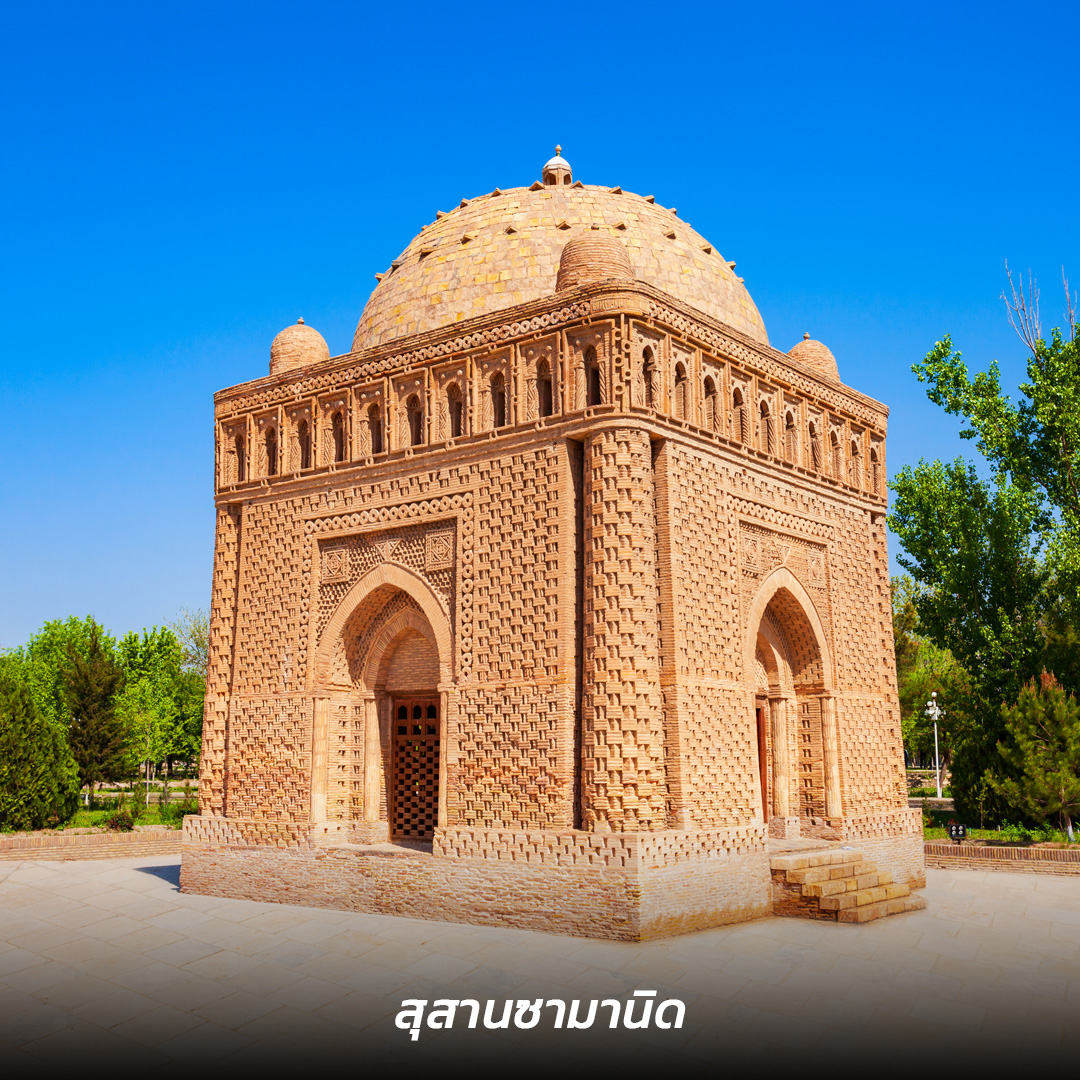
Visit the "Samanid Mausoleum", the tomb of the Samanid Empire, a mighty kingdom. The mausoleum is believed to have been built in the late 9th or early 10th century. The important person buried here is Ismail Samani, founder of the Samanid Empire, a king who changed the religion from Zoroastrianism, the original religion of the Persians, to Islam.
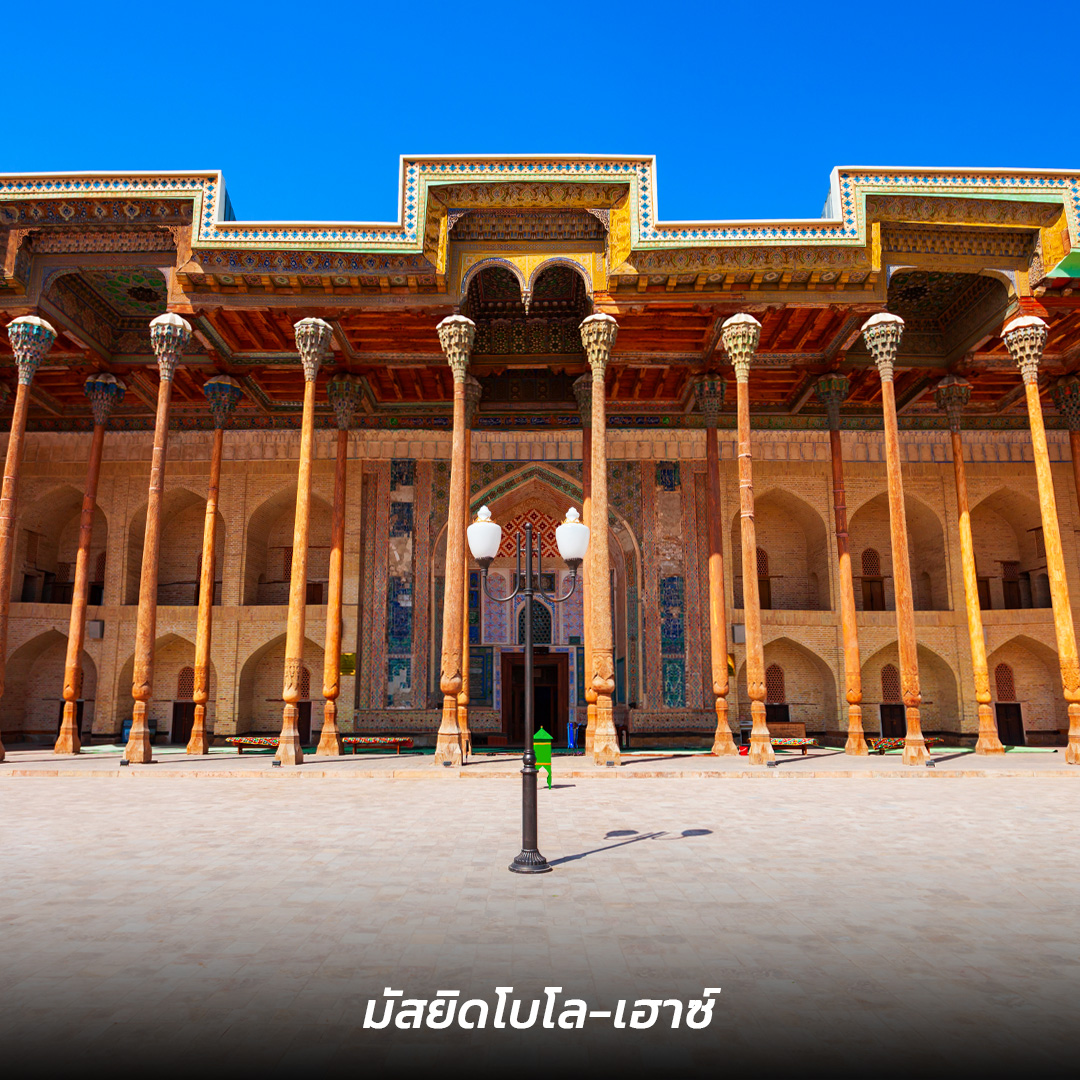
Visit the "Bolo-Hauz Mosque", one of the historic symbols of Bukhara. The mosque was built in 1712 and was long used as the Friday mosque of the Muslims. It is one of the last ancient buildings before Uzbekistan stepped into the modern era. The mosque was cleverly designed to cope with Central Asia's changing climate.
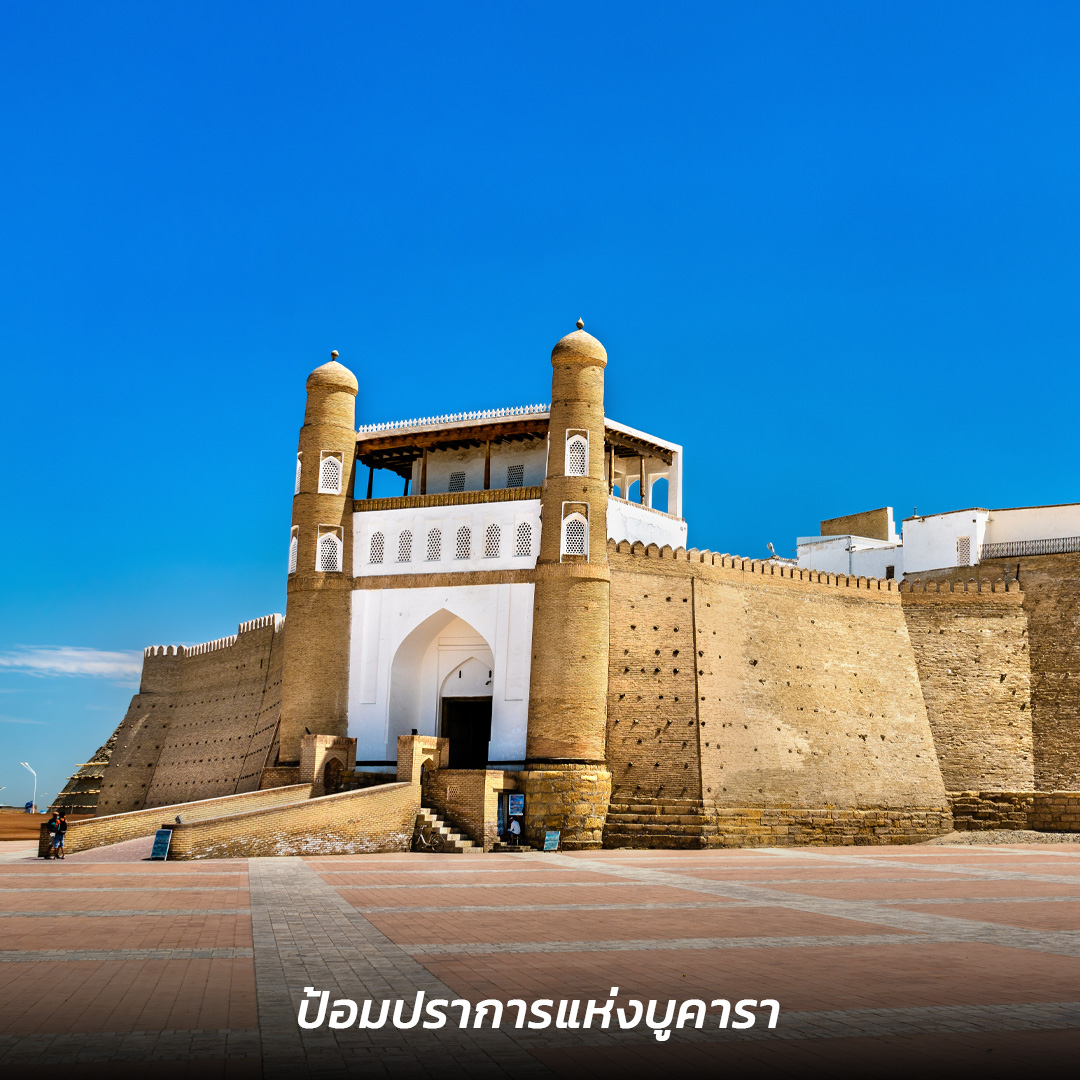
We take you to see "The Ark of Bukhara", a fortress that remains complete with its fort, moat, gates and watchtowers. The most outstanding point is the "Ark of Bukhara", the main fortress that was the city's military and administrative command center.
Inside, the Ark was once the royal palace, consisting of the king's residence, a multipurpose courtyard, stables, quarters for courtiers, and an ancient wooden mosque, one of the oldest in Uzbekistan. All of this reflects Bukhara's prosperity as a center of civilization and power in Central Asia.
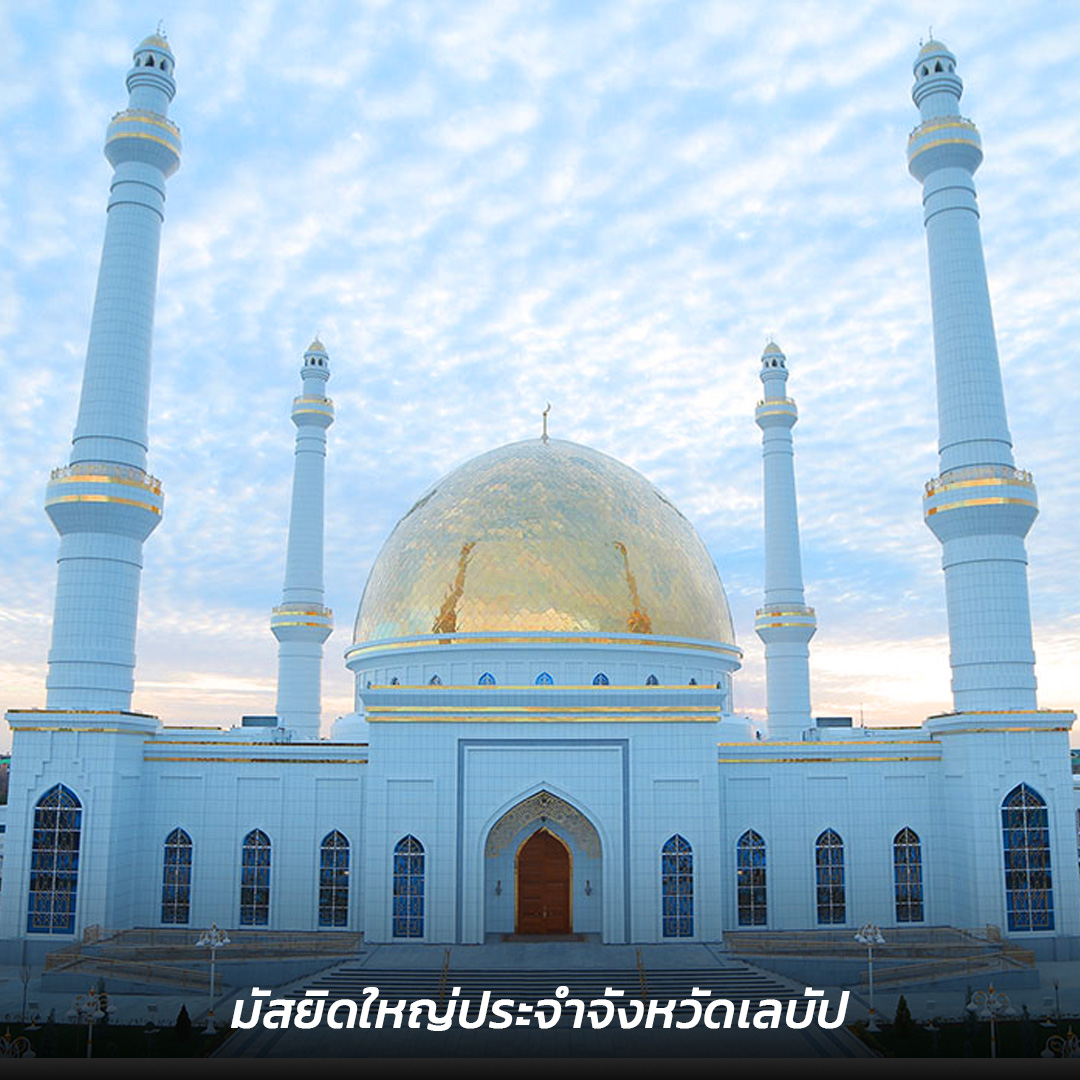
Visit the "Lebap Region Mosque", one of the large mosques of Turkmenistan, magnificently built of white marble, notable for its blue domes, four minarets, and contemporary Islamic art patterns. The mosque can hold several thousand worshippers and serves as a religious and community center of the region.
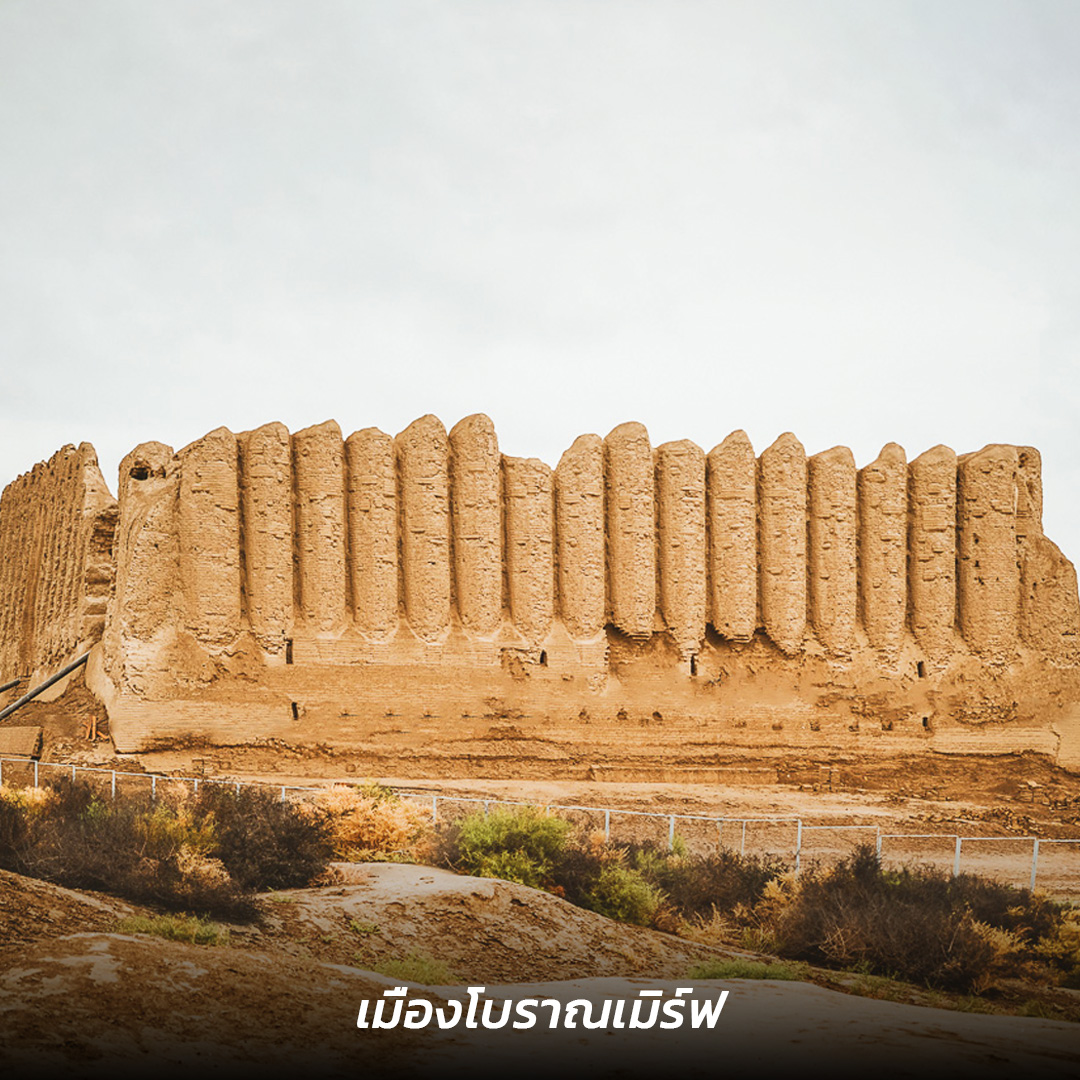
Travel to the "ancient city of Merv", one of the key strategic points of the Silk Road in the past. This city was once regarded as the greatest metropolis in the world in the 12th century, in population, learning and technological progress.
This metropolis was once a thriving center of trade, education and science in the Eastern world, playing an important role in linking the civilizations of Persia, China and Central Asia. It was a city that was once prosperous and great in history.
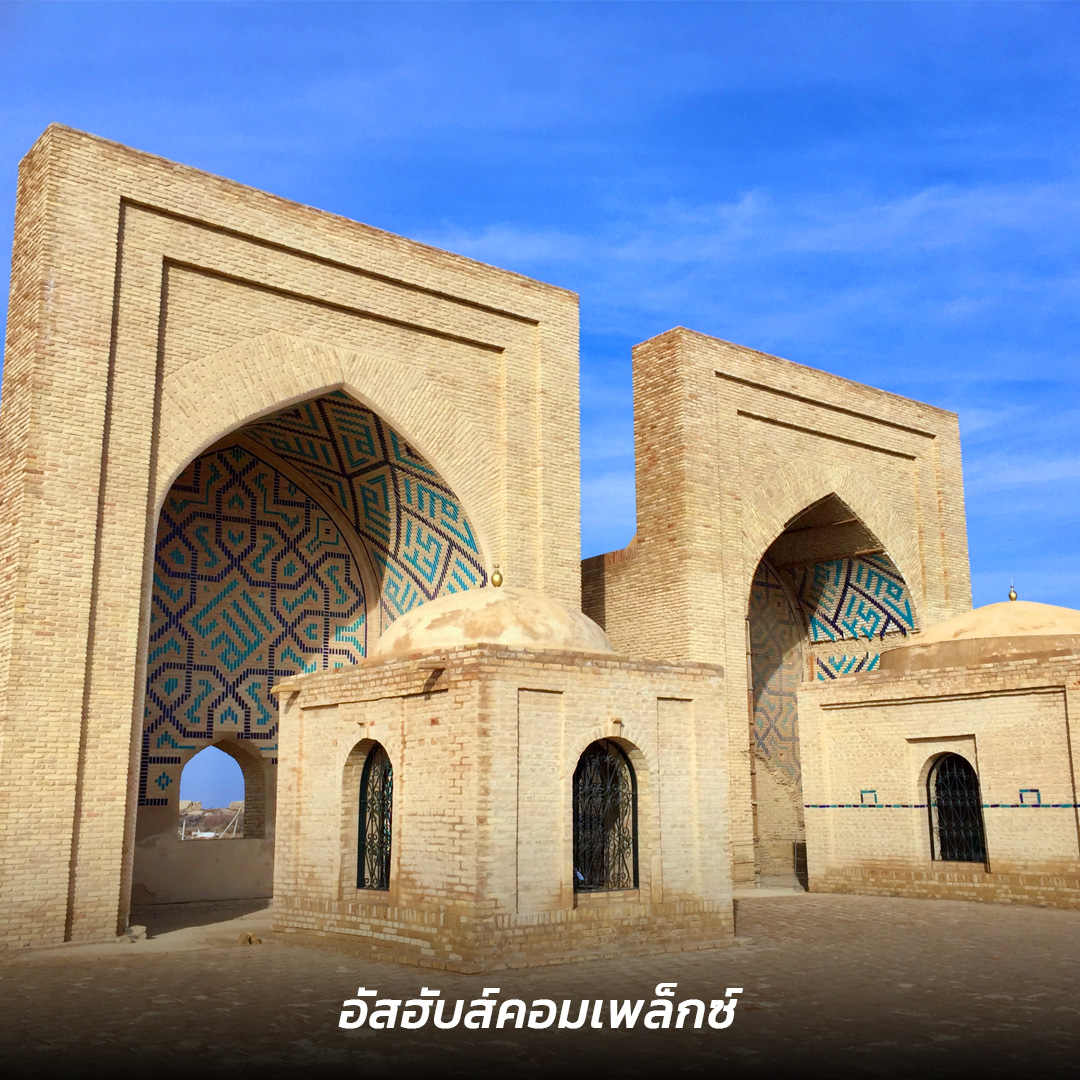
See the "Complex of Askhabs", a sacred site built in the 15th century to commemorate the first two followers of the Prophet Muhammad. Both tombs are built of marble and decorated with beautiful patterns.
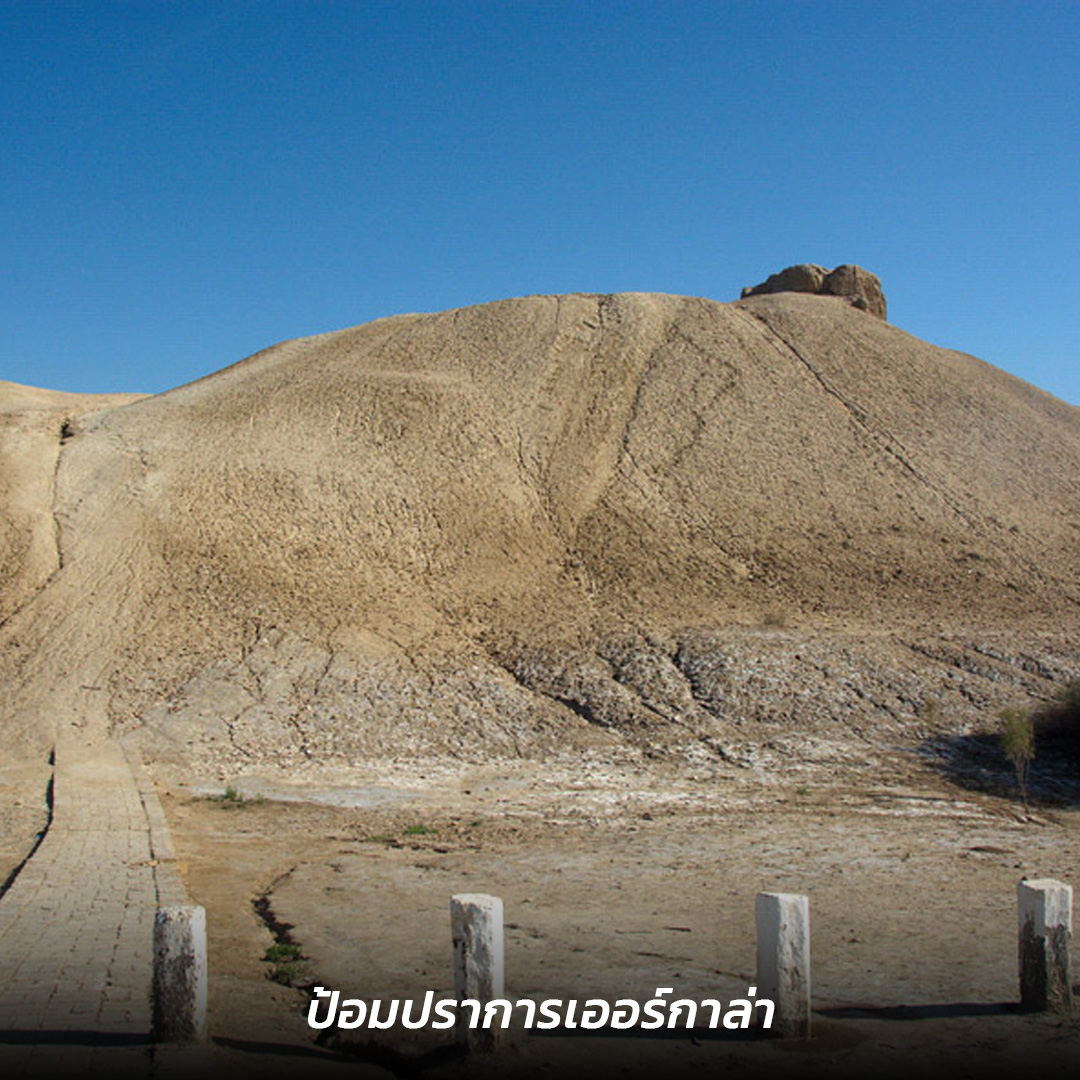
Stop at the "Erk Kala fortress", the fortress and former center of ancient Merv, with city walls 25-29 meters high. Though centuries have passed, it remains strong and imposing. Inside the fortress are the ruins of a palace and a large square.
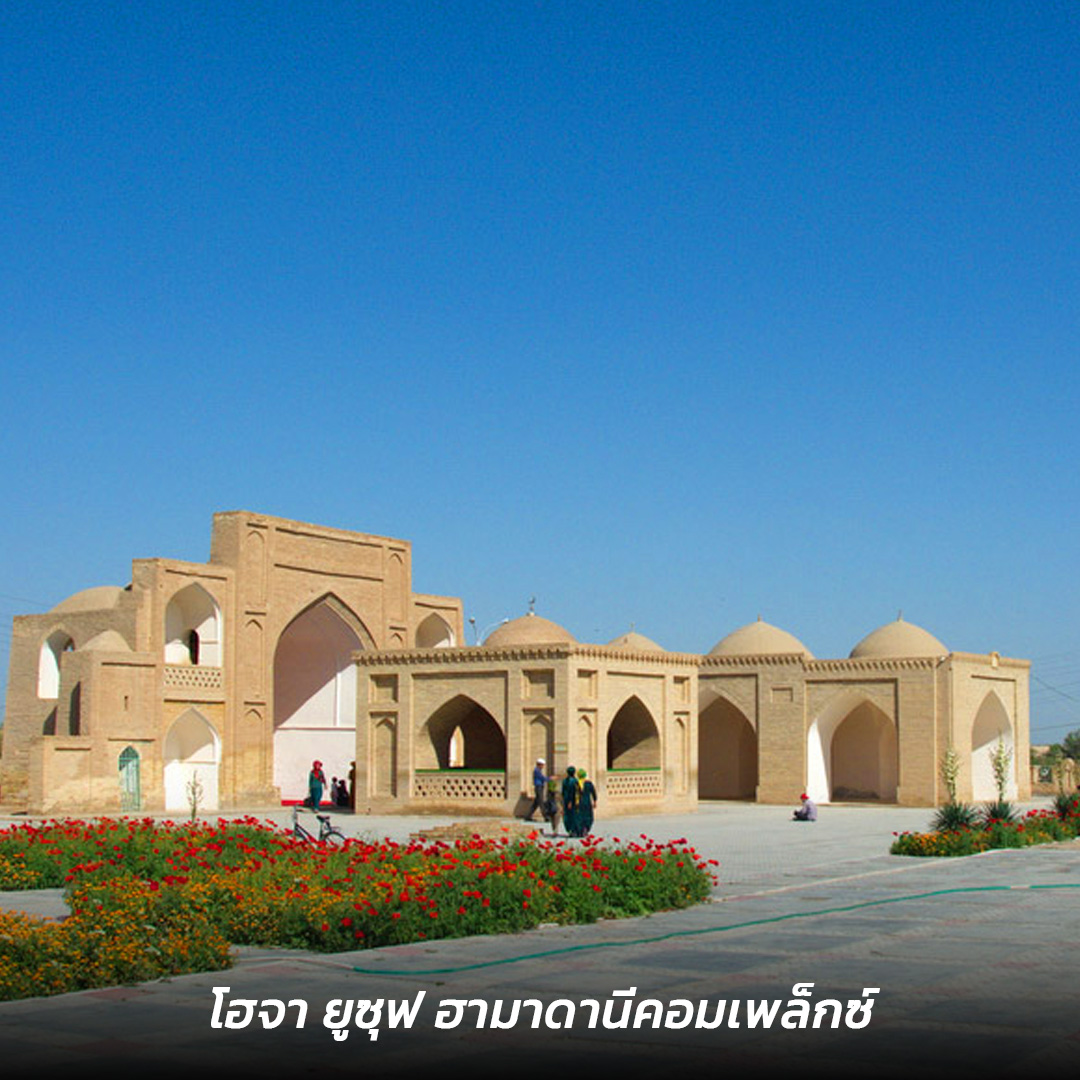
Visit the "Hoja Yusup Hamadani Complex", which contains a mosque and a tomb, the burial place of Hoja Yusup Hamadani, an important scholar of the Sufi path in Islam, and so an important pilgrimage site for followers of this path.
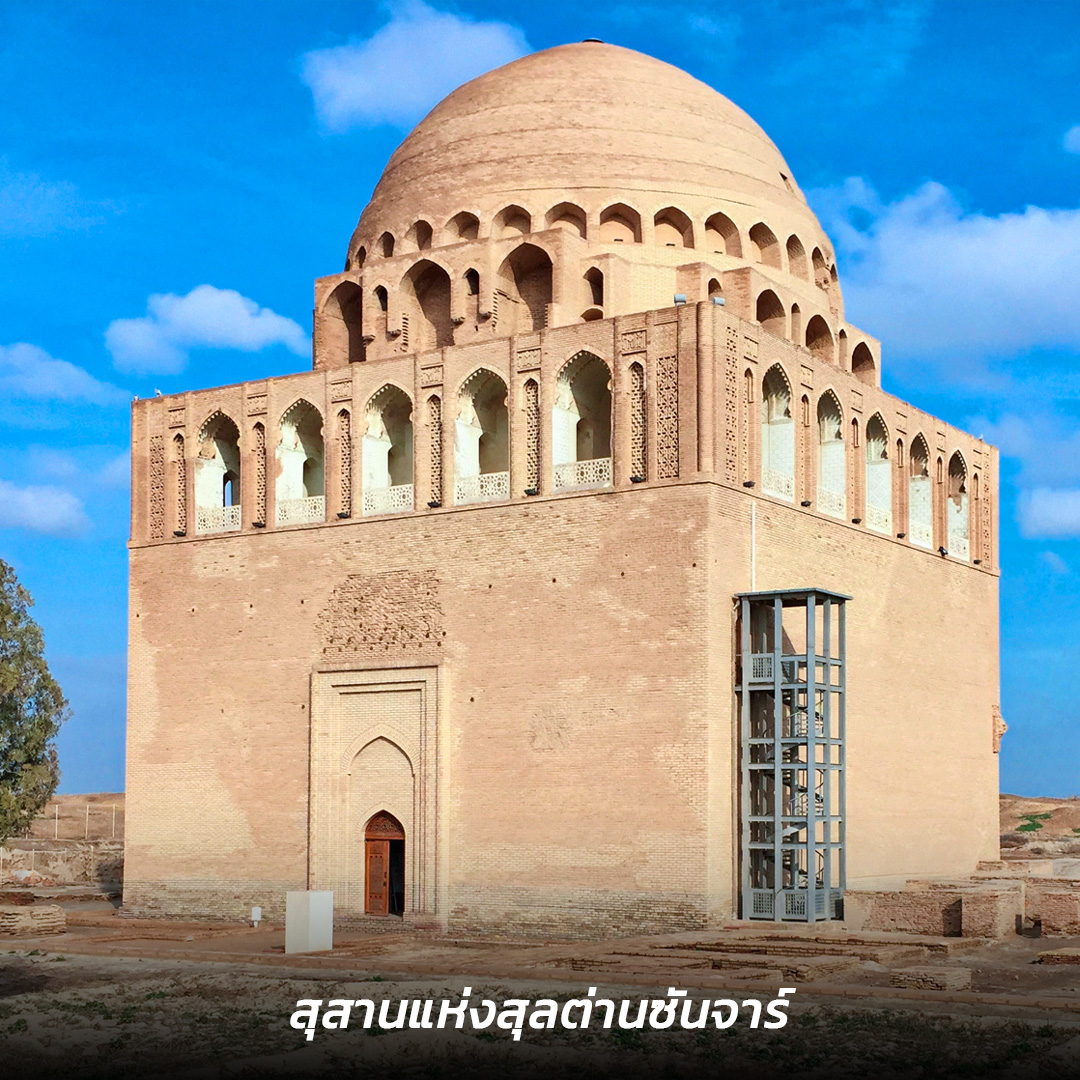
Visit the "Sultan Sanjar Mausoleum", a large square tomb with a dome 38 meters high, a prototype of double-dome architecture that later influenced many other lands. Around the mausoleum are the ruins of an observatory and a library, showing the progress of Merv in ancient times.
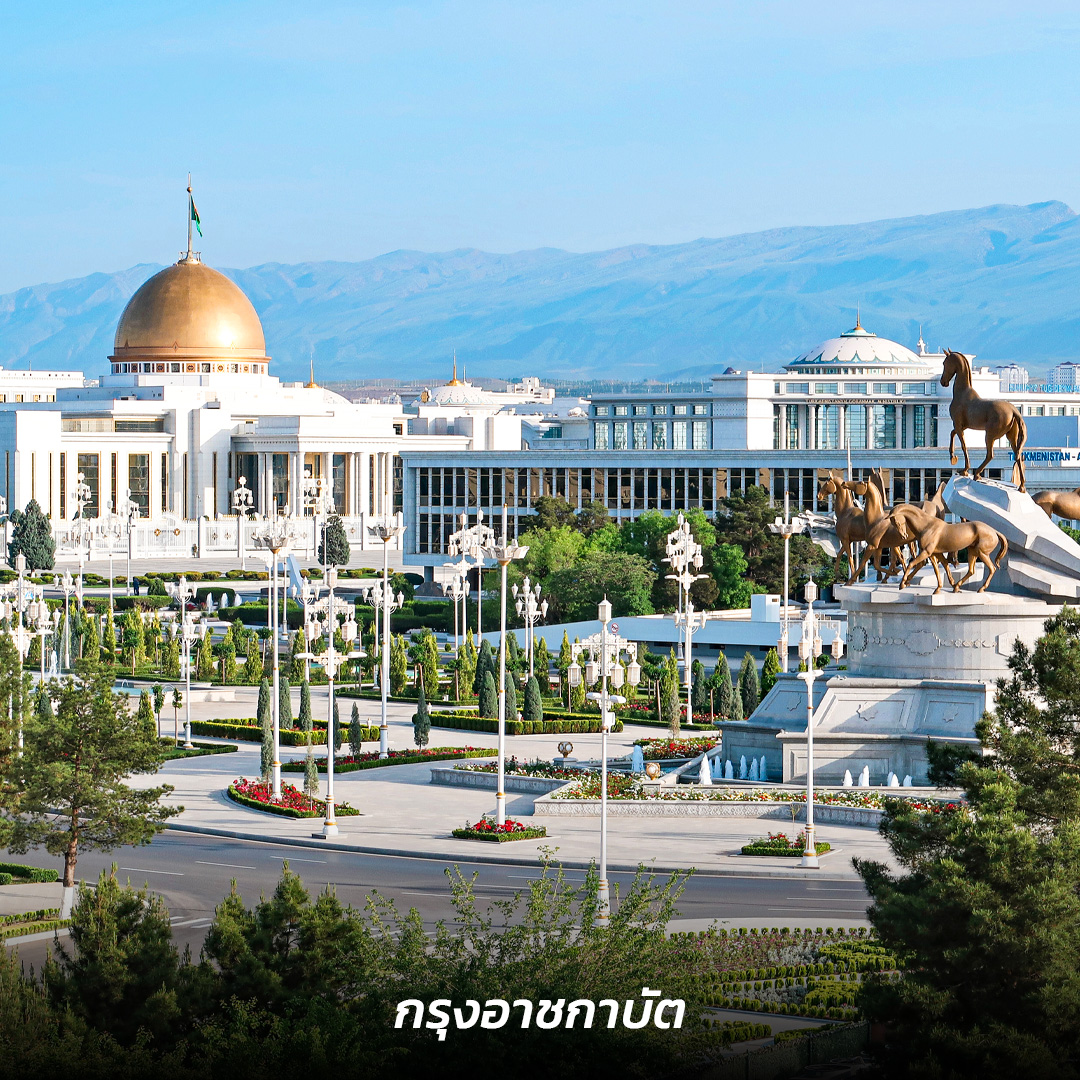
We take you to "Ashgabat", the capital of Turkmenistan. The city is built of white marble buildings, earning it the name "the White City", and the Guinness Book of Records recognizes it as the city with the most white marble buildings in the world. You will feel a surreal, heaven-like atmosphere in the middle of the desert, with ultra-modern architecture, very wide roads, and a silence that sits beside a beauty rarely seen.
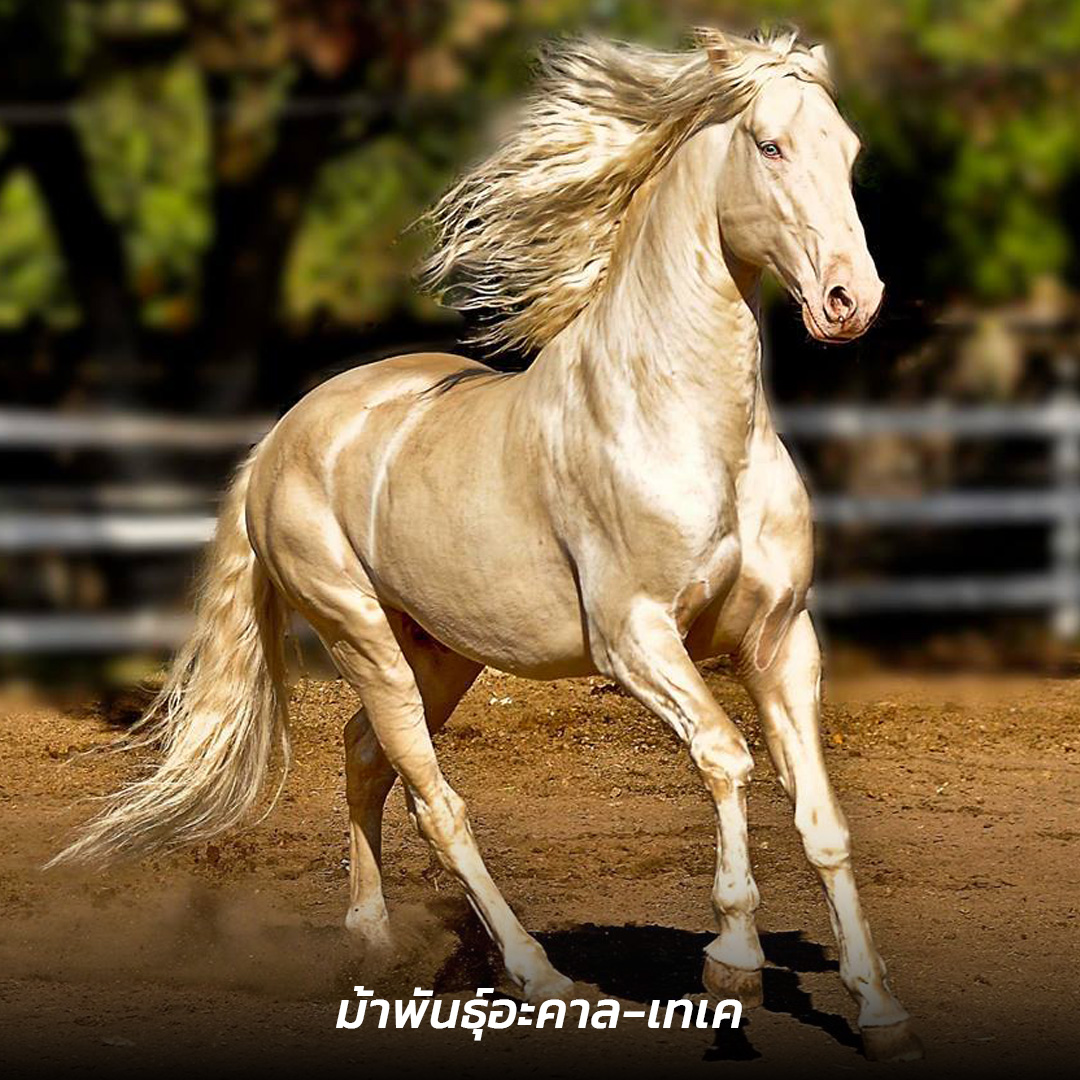
Head to the "Horse Hippodrome: Akhal-Teke Horses", which shows and preserves the Akhal-Teke horse, a rare breed of historical importance. In the past the Chinese regarded this breed as the finest horse, and an army with this horse would become invincible. It is believed that the horse Red Hare in the literary work Romance of the Three Kingdoms was inspired by this breed, which has also been called "the best horse in the world".
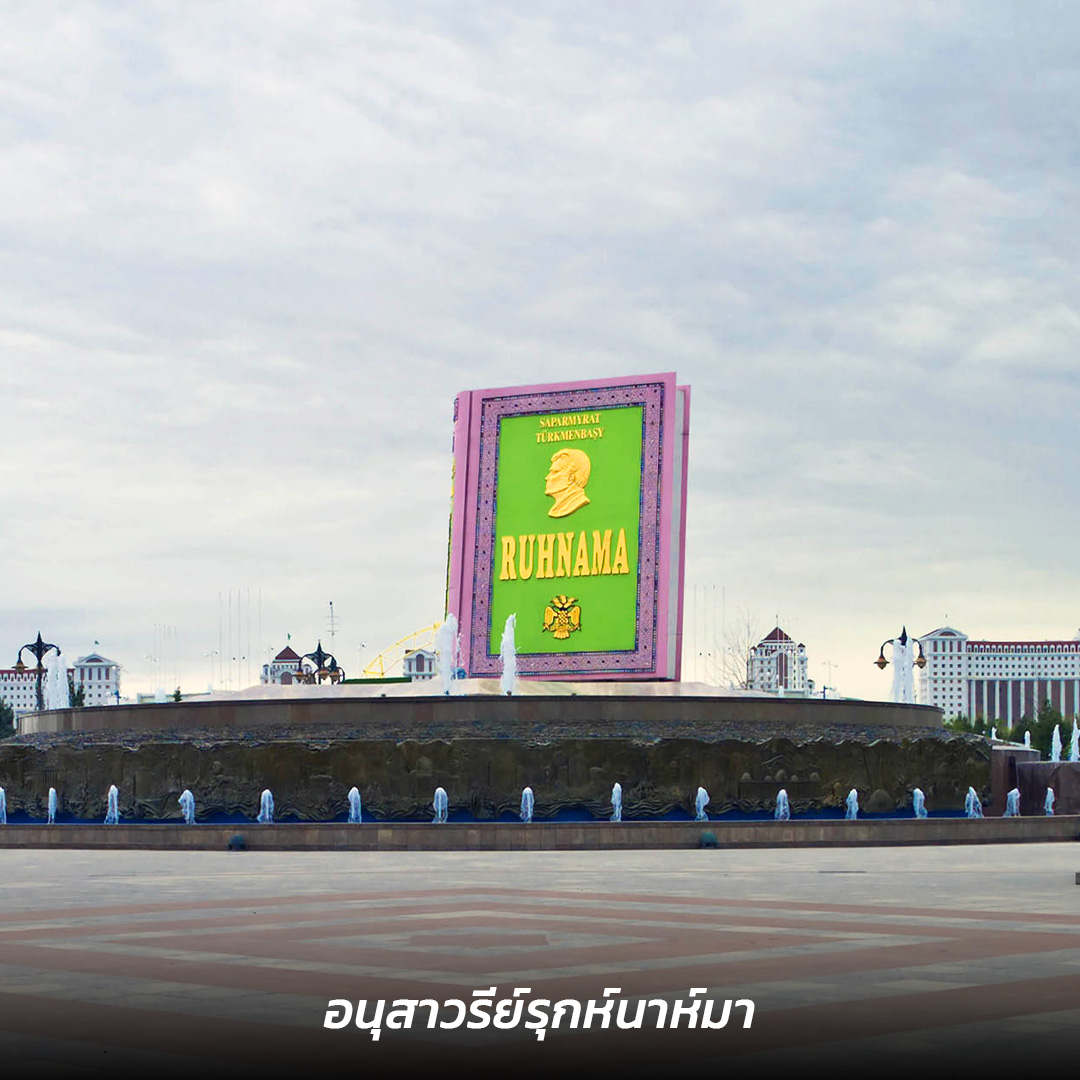
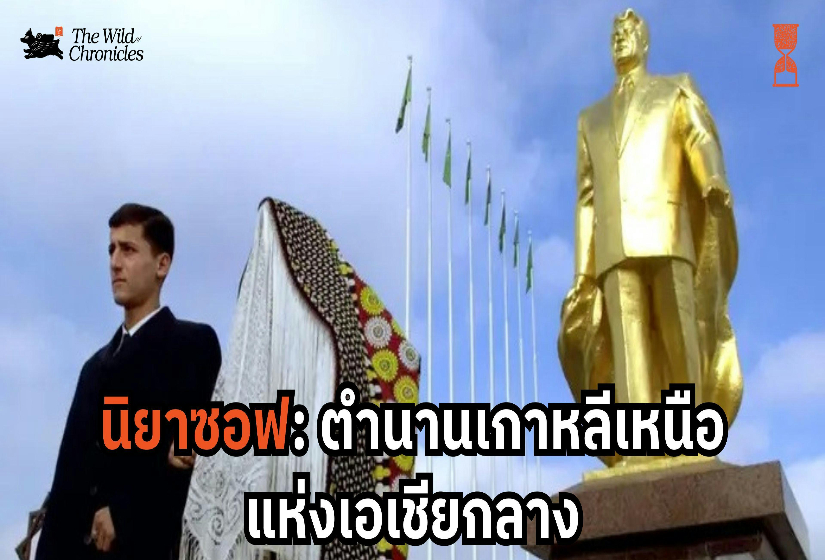
See the "Ruhnama Monument", a monument built to celebrate the book Ruhnama, a book written by Saparmurat Niyazov, the former president.
The book mixes history, law, religion and fables, which Niyazov claimed to have received in a vision from Turkmen ancestors to write, and he ordered every school, including universities, to read it. Its content was also in civil service exams and, for a time, driver's license exams.
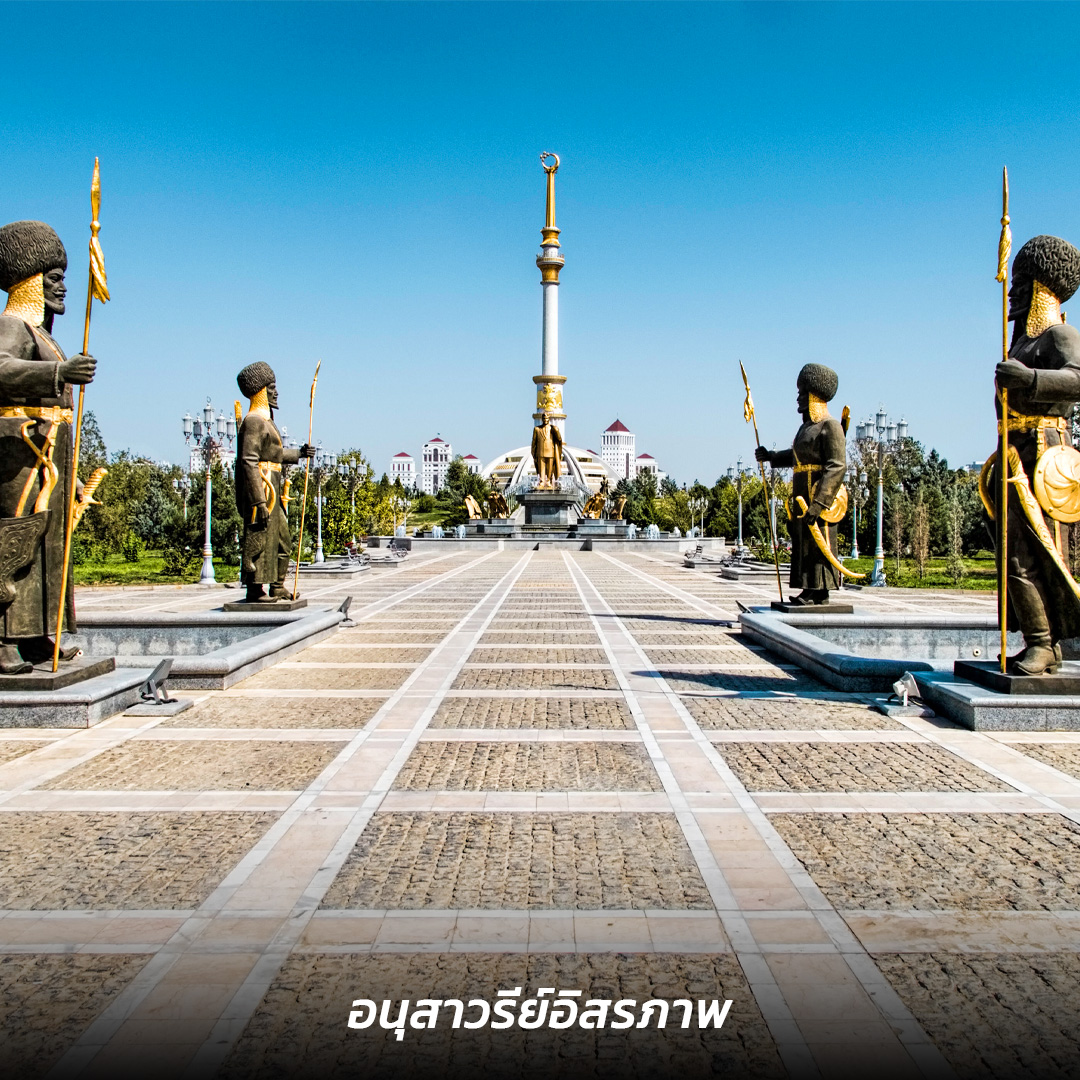
Tour the "Independence Monument", one of the key landmarks in the middle of Ashgabat, built in 2001 to celebrate independence from the Soviet Union. It was inspired by traditional Turkmen architecture and the shape of the nomadic-era tent (yurt), surrounded by a large park, and is a place that expresses national pride.
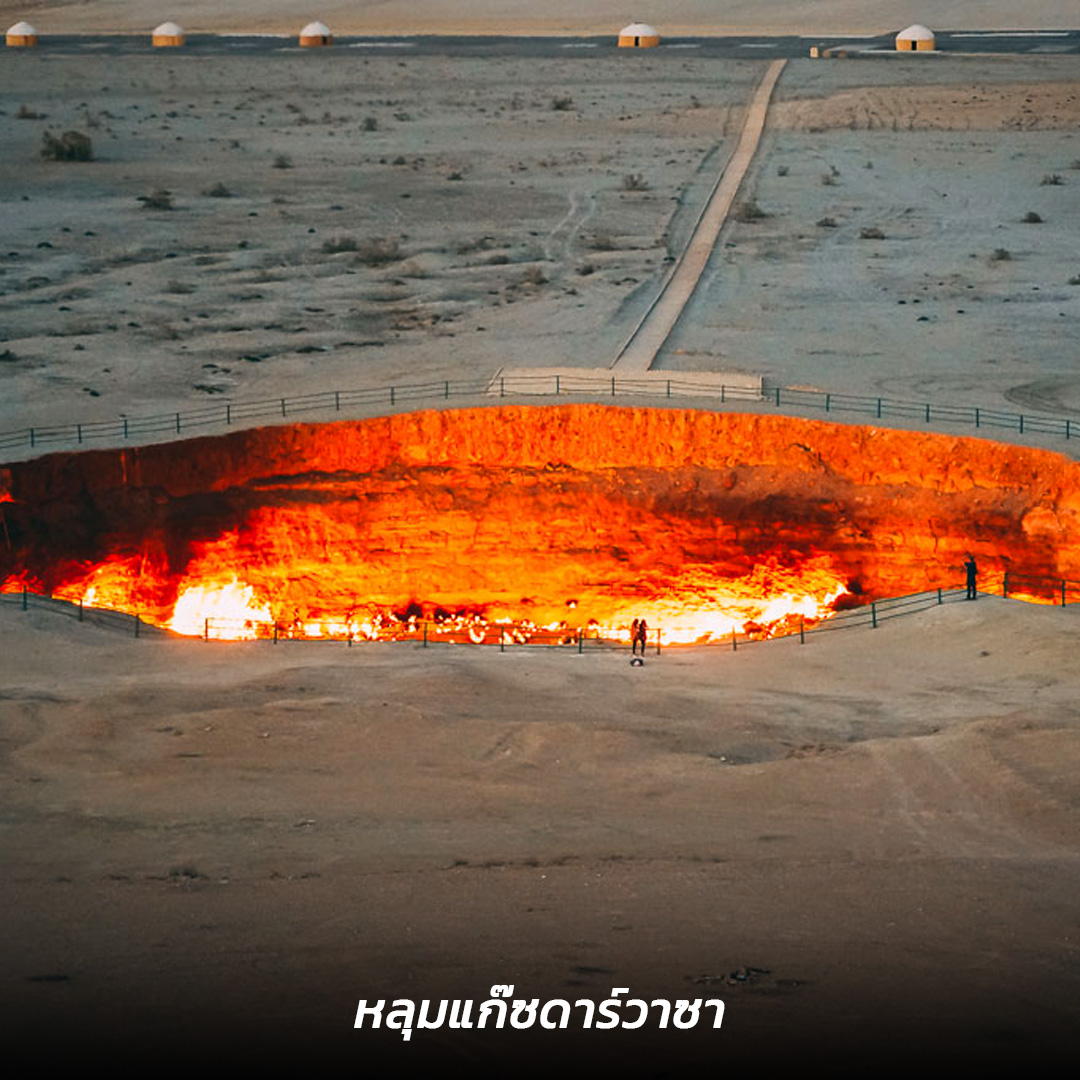
See the "Darvaza Gas Crater", known by many as the "Gates of Hell", a huge pit in the middle of the desert with flames burning 24 hours a day, never extinguished for more than half a century!
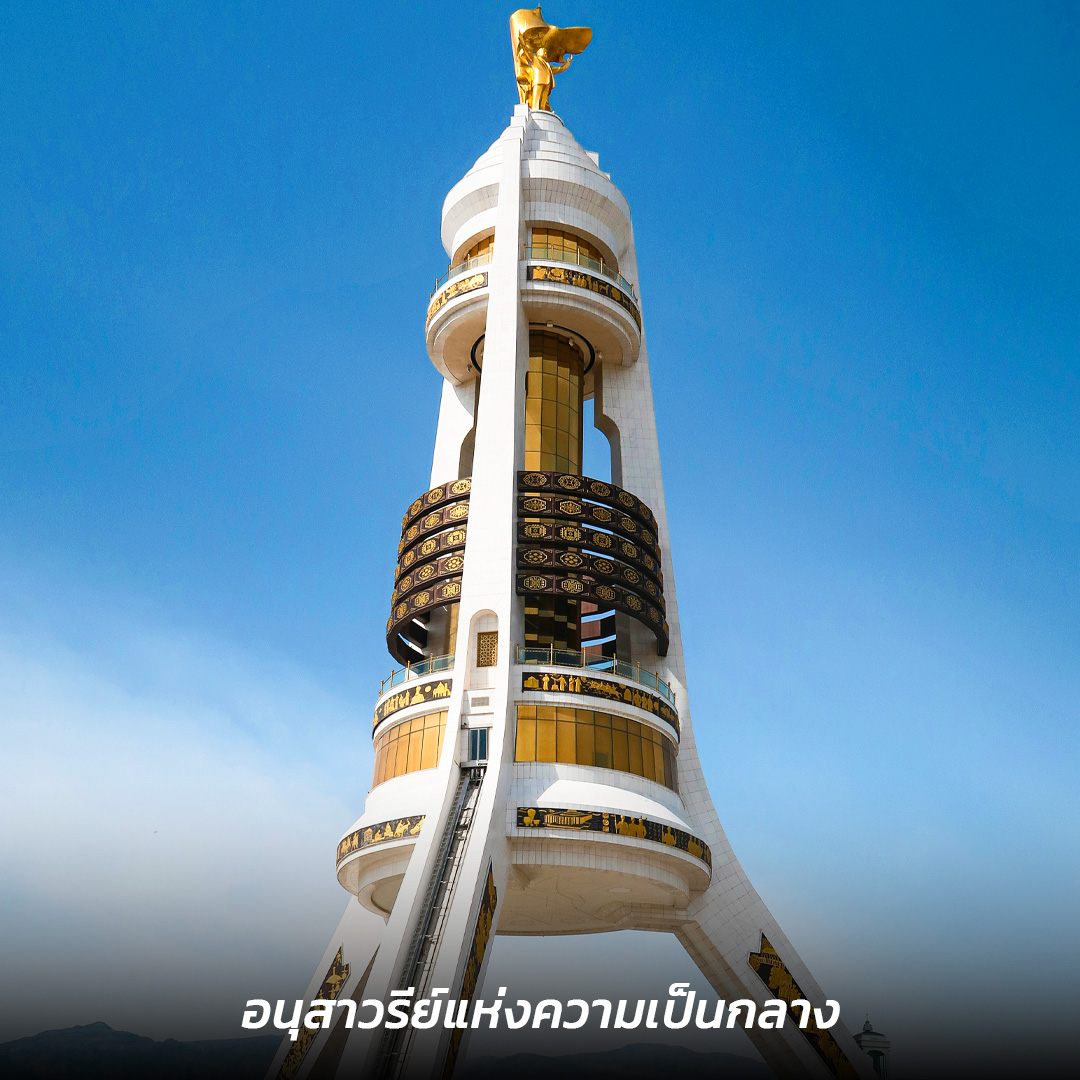
(Viewed from outside) Visit the "Arch of Neutrality", one of Turkmenistan's key symbols, built in 1998 to celebrate the country's political neutrality. The monument is 95 meters high, a striking modern structure built of materials such as marble and metal, decorated with traditional Turkmen ornamental patterns.
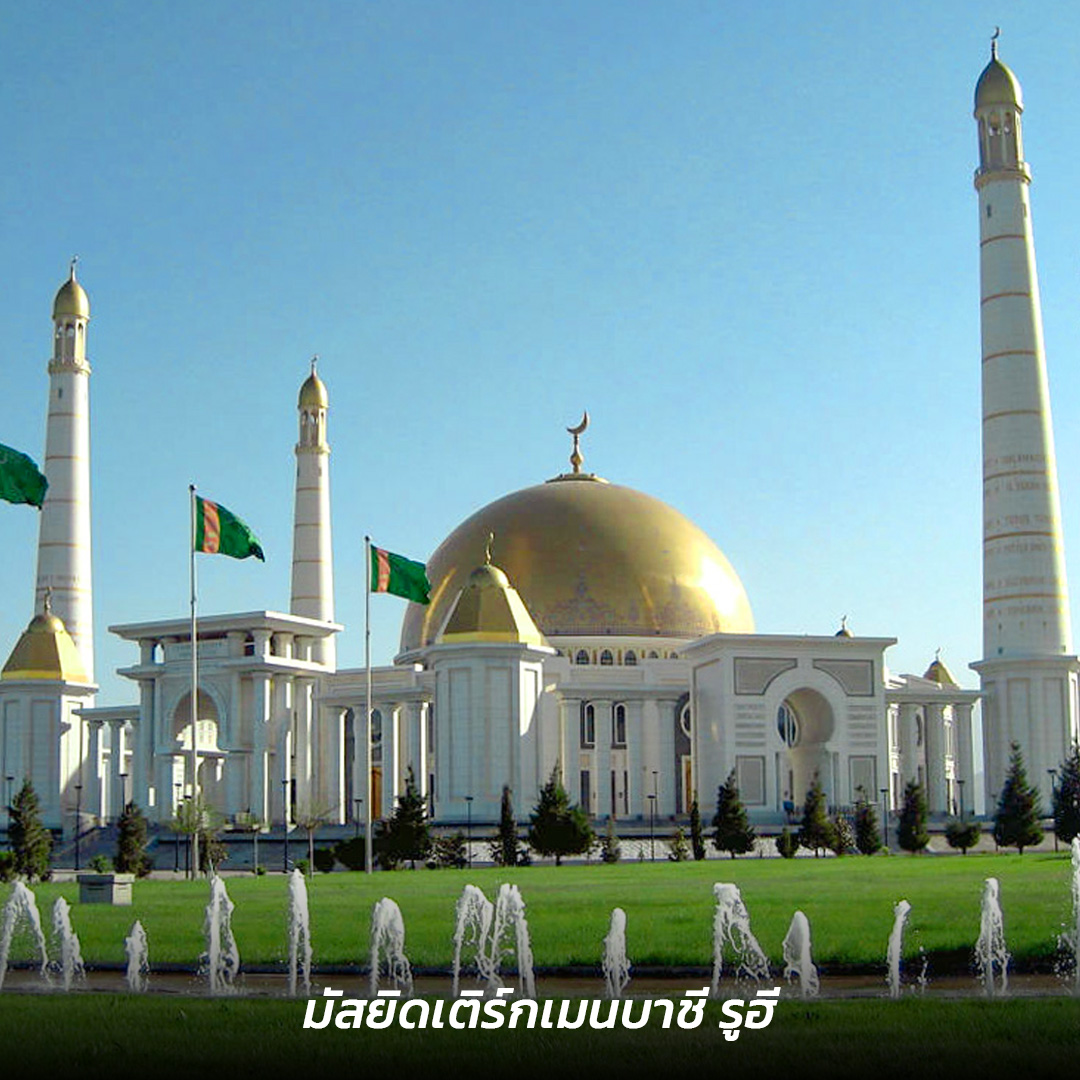
Tour the "Turkmenbashi Ruhy Mosque", the main mosque of Turkmenistan, notable for the same grandeur and splendor as other buildings of the post-independence era. The mosque is built of white marble, a single-domed building surrounded by 4 minarets, built on the order of Saparmurat Niyazov to serve as his own mausoleum.
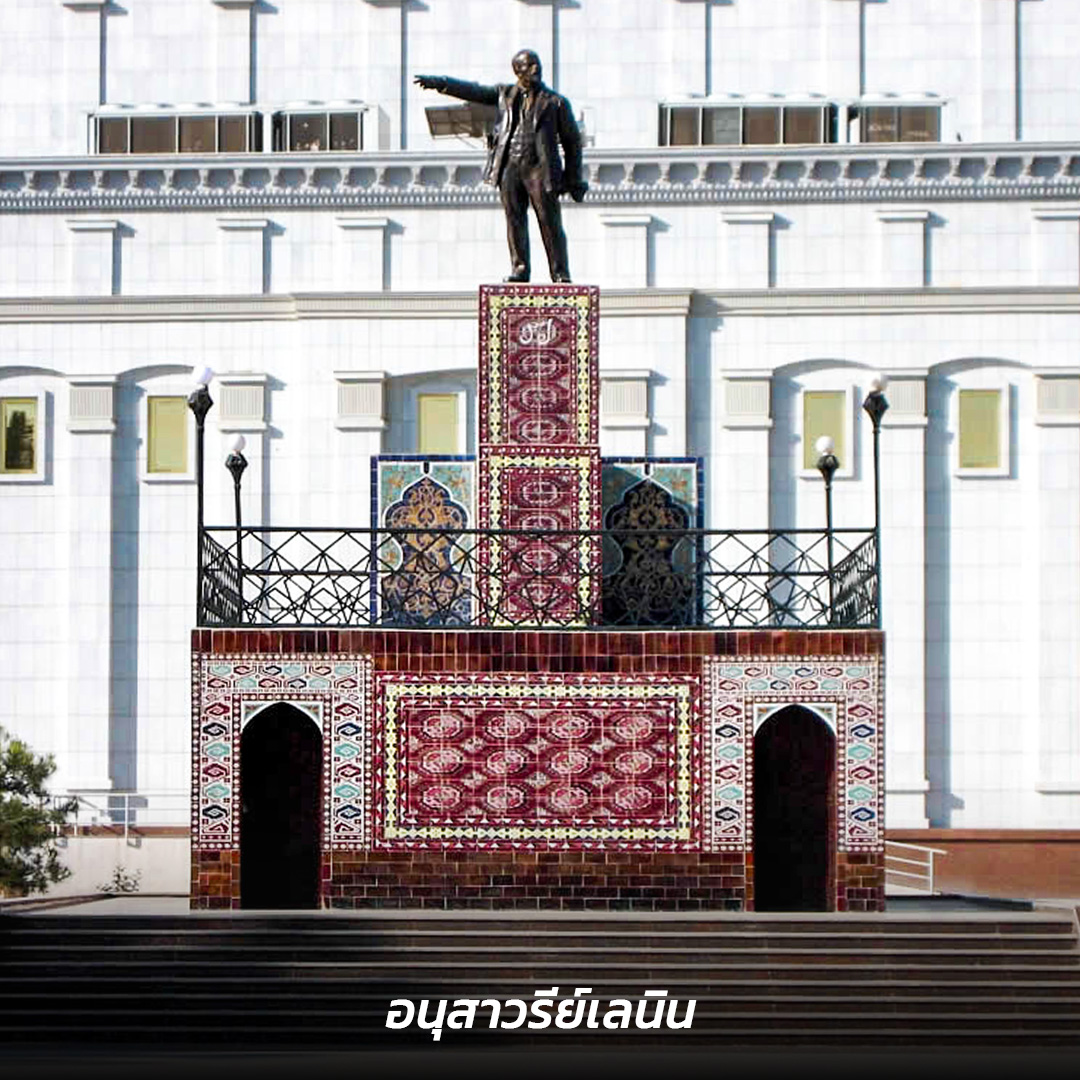
Stop for photos with the "Lenin Statue", one of the Lenin monuments still standing after the collapse of the Soviet Union. While many countries angrily tore down their Lenin statues, this monument was preserved, though not out of devotion to Lenin, but because the base of the monument is decorated with "Turkmen carpet patterns", which hold meaning for national identity.
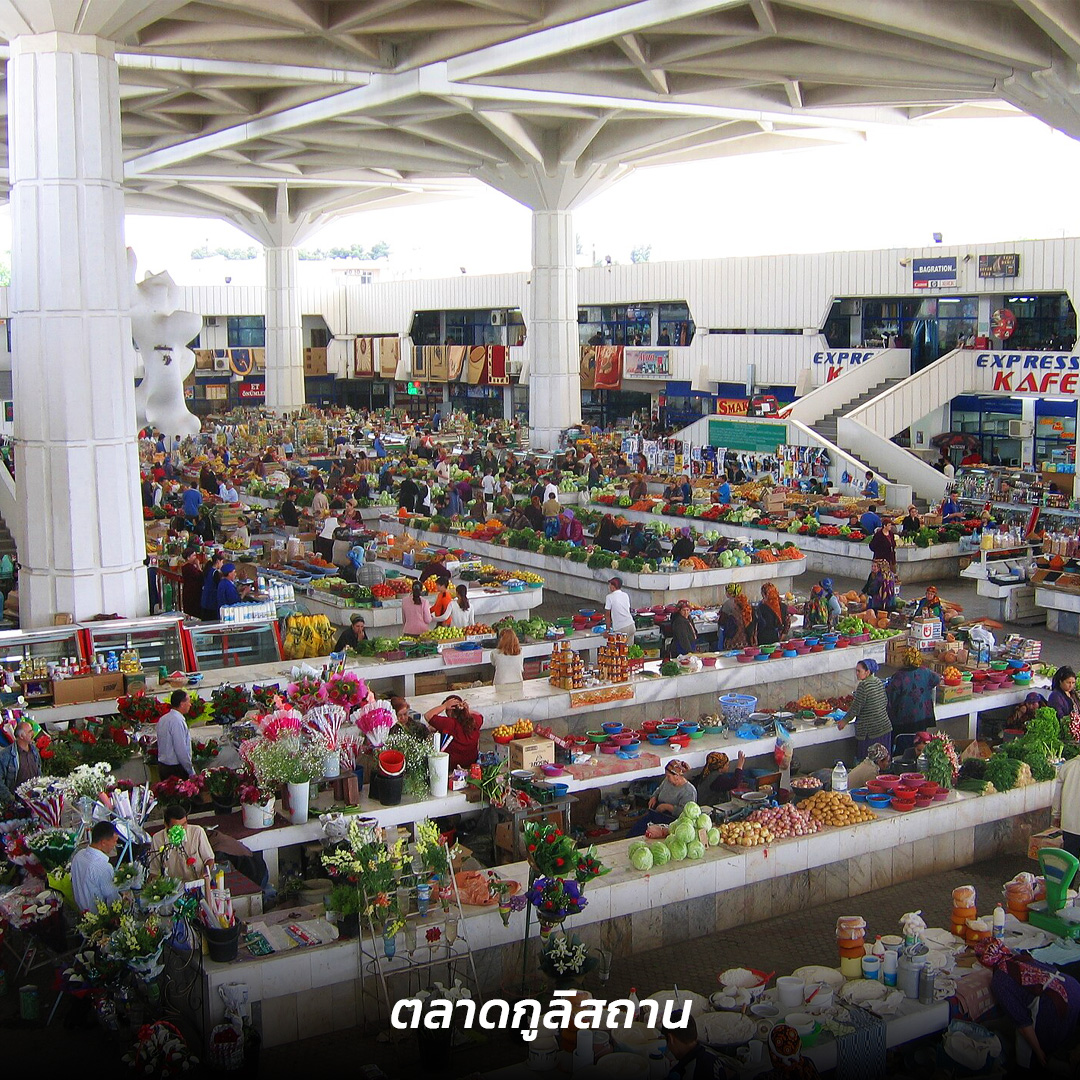
We finish with a stroll at the "Gulistan State Shopping Center", also known as the Russian Market, a market in the center of Ashgabat that tourists and foreign delegations often visit. The market has a great variety of goods, along with restaurants and snack stalls inside.
There are still more amazing places and stories on this route waiting for you to experience yourself! This special 2025 trip departs 24 Oct – 1 Nov 2025, a full 9 days and 7 nights of travel.
...We stress that our tour is not a join-in group! We take you through history in full, with no quick peeks. What deserves a look, we stay longer to see; what is off the normal route but worth experiencing, we take you to feel. Especially for lovers of adventure and those passionate about history and breathtaking scenery, it is not to be missed in any way!!
Get a different experience and feel a new atmosphere you may never have tried. If you are interested and would like the program, contact us on 082-894-8444, 089-927-6446 or add our LINE OA at @thewildchronicles (type @ at the front) and type "interested in the Turkmenistan tour", or just press the "Book tour" button.